IT SOUNDS as if it ought to be the subject of a pub quiz, or an obscure riddle from The Lord of the Rings.
Where, deep in the heart of an ancient Buckinghamshire wood, can you find names linking the land of the ancient pharaohs and pyramids with a biblical river that flows for more than 4,000 miles through the heart of Africa?

The answer, of course, is not so hard for those familiar with Burnham Beeches and the surrounding area, because the tiny hamlet of Egypt lies north of Farnham Common and the roadsign has doubtless led to many a conversation between passing motorists about the origins of the name.
Nearby runs the Nile, a somewhat modest watercourse when compared to its mighty African namesake, which runs from Lake Victoria to the Mediterranean Sea.

By contrast, the Buckinghamshire Nile is just one of a number of small streams that trickle around the national nature reserve at Burnham Beeches,
Egypt Lane links the reserve with the small hamlet of just a few cottages clustered on the edge of woodland, a settlement with cottages dating from the 17th century.

Egypt Wood borders the nature reserve and is the most ecologically important area of woodland on the Portman Burtley estate, a 2,000-acre slice of land with an organic beef farm at its heart, along with a large forestry business and a number of residential and commercial properties to let.
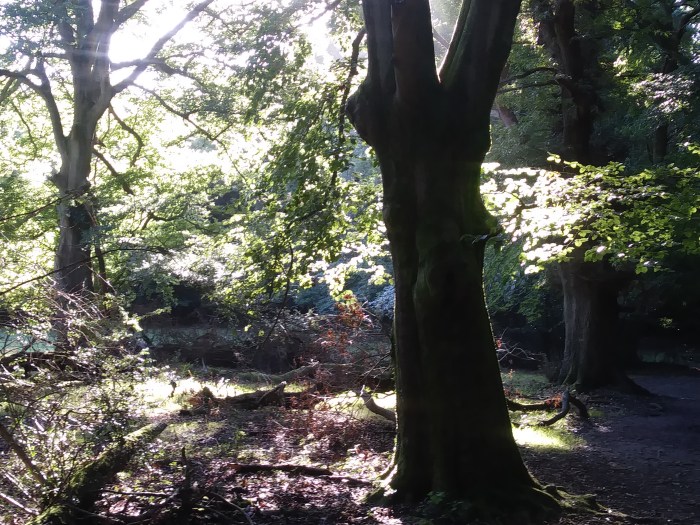
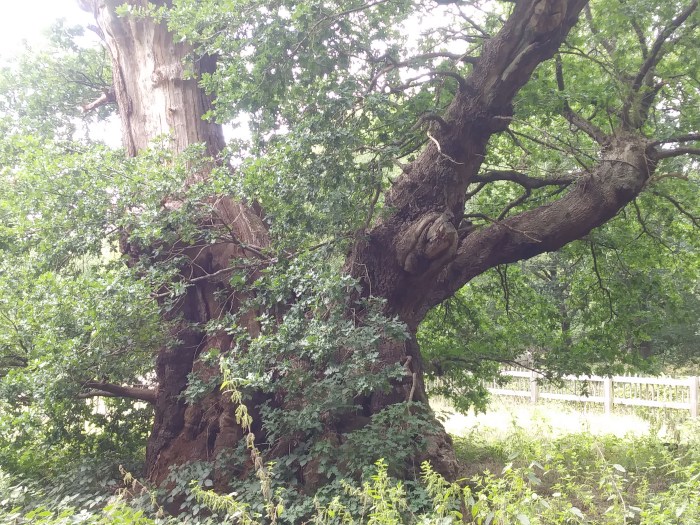
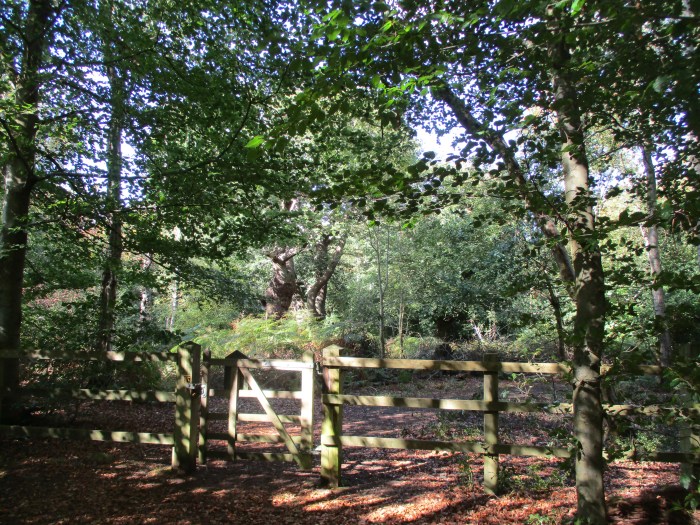
This is a mixture of ancient woodland and former common land with numerous ancient trees and very high biodiversity interest, managed under a joint agreement with Natural England and in regular consultation with the managers of Burnham Beeches.

By arrangement with the Forestry Commission, the estate allows access on permissive paths that criss-cross the wood and link to roads and public footpaths north of Burnham Beeches, joining the Beeches Way to Littleworth Common or looping round on Portman land down to Pennlands Farm and on to Hedgerley.

The woods may have an ancient feel, but any connection with the North African country is somewhat misguided, thanks to a popular 16th-century misunderstanding.
Romany Gypsies have been in Britain since at least 1515 and the term ‘gypsy’ comes from ‘Egyptian’, which is what the settled population perceived them to be, perhaps because of their dark complexion or believing them to have come from ‘little Egypt’, the name given to a part of the Peloponnese peninsula in what is now Greece.

In reality, linguistic analysis of the Romani language proves that Romany Gypsies, like the European Roma, originally came from Northern India, but that didn’t stop parliament passing the Egyptians Act of 1530, specifically designed to expel the “outlandish people calling themselves Egyptians”, principally meaning Roma.
On pain of imprisonment, the Roma were given 16 days’ notice to depart the realm, the Act accusing them of using “crafty and subtle devices” to deceive people, notably by claiming to tell people’s fortunes while also allegedly committing felonies such as robbery.

Two further Egyptians Acts followed in 1554 and 1562, complaining that “Egyptians” were plying their “devilish and naughty practices and devices” and urging them to abandon their nomadic lifestyle.
Certainly local folklore and the Buckinghamshire Archives lend credence to the belief that the name of Egypt originates from gypsies who once lived in the woods some 500 years ago.
Today, these paths are often gloriously deserted, despite their proximity to Burnham Beeches and popular circular walks from Hedgerley.

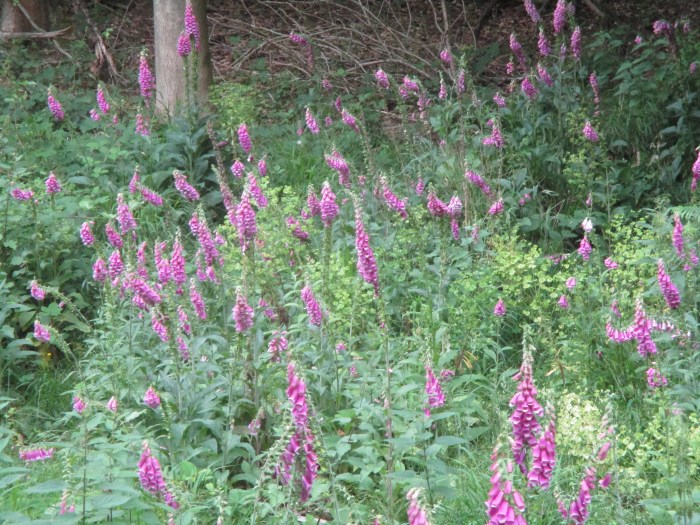
But on a quiet May day among the ferns and foxgloves of Egypt Wood, you can be blissfully unaware of the nearby motorway or fast-moving traffic on the main road from Beaconsfield through Farnham Common.
Here, squirrels rustle among the dead leaves and wood ants scurry about their business with a frantic intensity that can make the casual observer feel a little itchy.
This is certainly no place for a picnic, but their presence is a clear indicator of healthy woodland. If numbers alone are any measure, woodland doesn’t come much healthier than this.