
DAMP and dreary or freezing and frostbitten, December can be a month of the starkest contrasts.

In milder years the Chilterns may be spared the travel chaos caused by icy roads and seasonal storms but suffer dreary days of drizzle and mirk when we yearn for those clear skies and chilly mornings that make it feel like a proper winter.

Muddy footpaths don’t quite create the same Christmas spirit as sparkling frosts, and mild temperatures strike fear in our hearts about climate change.
Christmas Eve 2023 was the warmest for 20 years at Heathrow Airport, for example. And in 2022, New Year’s Day was the warmest on record, with temperatures thought to have been boosted by warm air wafting in from the Azores.

But even in those wetter weeks when steady downpours dampen our spirits and cause heavy flooding, as the festive lights go up in villages across the Chilterns, occasional breaks in the rain allow us the chance to enjoy the more subtle winter hues and the undoubted relief that nature can offer to those dispirited by the short, dull days.

2021 saw the dullest December in 65 years, with only around 26.6 hours of sunshine across the UK, leaving many feeling dispirited.

But if 2023 was worryingly mild, the first two weeks of the previous December saw the coldest start to meteorological winter since 2010.

Even on the coldest days, bare branches and frozen berries provide striking patterns on early morning rambles, while the weak winter sunshine can create dramatic light effects.

And while there may be fog and mist to contend with, on crisper days when the ice forms delicate filigree patterns on spiders’ webs and animals’ breath hangs in the cold air, such rambles can be a genuine delight.

It’s a time of year when the past feels very close at hand in our ancient Chilterns landscape, where small villages sit clustered round their ancient churches as they have done for centuries, spirals of woodsmoke curling into the air as dusk falls and the inviting glow of lamps and lanterns lights up the cottage windows.

Here, even those hallmarks of our industrial past, the railway bridges and canal towpaths, feel wholly immersed in the natural world, their weathered bricks polished and aged by time and the elements until it feels as if they must have always been here.

Yet for many, especially those coping with bereavement, illness or personal tragedies, this is a particularly challenging time of year.

For some, seasonal affective disorder is a more serious type of depression that comes and goes in a seasonal pattern, symptoms of which include a persistent low mood, loss of interest in everyday activities, an extreme lethargy and feelings of despair, guilt and worthlessness.

Even nature lovers can struggle with winter depression on those short days when the sun is obscured and the landscape full of greys and browns, but many find refuge and comfort in the great outdoors from the cares and tribulations of daily life.

For some, that renewed relationship with the natural world may be even more dramatic. As Catherine Arcolio explained in 2023, for her, nature became a genuine life-saver, a way of overcoming despair and addiction.

“Each day was an abyss,” she recalled. “All the colour, light, purpose and connection had drained out of my life.”

That was before a move from the city to a tiny rural community offered her the chance to reclaim her life amid the quiet of the woods, the natural world allowing room to breathe, unwind and recover.

Catherine’s tale may be particularly dramatic, but she is far from alone – and even veteran blogger Peaklass admits to finding the dark of winter days very difficult.

“Sometimes, on the darkest winter days, the very best place to be is in the woods,” she says. “Among the noisy rattle and creak of bare branches and the constant seethe of water over rocks, there’s a strange kind of peace and stillness.

“The air is cool and damp, but so soft that it seems to wrap itself around you, as if Nature has been waiting to welcome you back.

“No matter how cold my fingers and toes get, it always feels like a physical wrench to leave the mist and quiet colours and return to the day.”

Nonetheless, she writes with delight of the winter solstice: “From tomorrow, the sunset ticks later minute by tiny minute and the light gradually returns, ready to coax awake the sleeping seeds and fill the forests with gold again.”

That’s when those snatched snapshots can provide a welcome foretaste of the excitement of spring, when a ray of sunlight falls perfectly on a leaf or the mist clears to suddenly leave the landscape awash with colour.

The sparse foliage makes it easier to pick out feathered friends against bare branches and first-time birdwatchers find it a perfect opportunity to begin recognising the different shapes and colours.

Plummeting temperatures can make winter a challenging time for small birds, but they have several adaptations which help them through the colder months, including a range of feathers which perform a range of different functions.

Wing and tail feathers are used for flight, contour feathers cover their body and thousands of tiny downy and semi-plume feathers sit next to a bird’s skin for insulation.

Contour feathers have a waterproof tip and a soft, downy base and are arranged like roof tiles over the bird’s body, overlapping so the downy part of one feather is covered by the waterproof tip of another.

The feathers’ waterproof properties are maintained through careful preening, which keeps them in an interlocking structure.

For those wanting to identify birds by the sounds they make, there couldn’t be a better starting point than Mark Avery’s guides to different types of birdsong, worth exploring in plenty of time ahead of the spring, when the dawn chorus starts to grow in volume and variety.

Certainly for those out in all conditions the occasional glimpses of winter sunshine help to expose some cheerful splashes of colour, like the rich plumage of a mandarin duck lit up like a painting-by-numbers gift set against dark water.

And once the sunlight finally does break through the mist and murk, the clarity of the winter air can provide some startling contrasts – the sails of a windmill silhouetted against the winter sky, the glorious colours of a red kite dramatically backlit by the afternoon rays or vibrant berries glittering like jewels among the winter foliage.

Some distinctive landmarks have dominated the skyline for hundreds of years, like the magnificent post mill at Brill which has timbers dating from the 17th century.

Over in Oxfordshire, the stone tower mill at Great Haseley suffered years of neglect before being fully restored to its original working order in 2014.

For winter ramblers, dusk and dawn are favourite times to brave the elements, not just in the hope of a spectacular sunrise or sunset but because those quiet times are also often the most promising for catching wildlife unawares.

Even when nature is looking at its lowest ebb and many creatures are dormant or hibernating, the hoot of a tawny owl or bark of a fox or muntjac reminds us that our local wildlife is never too far away, even if we can’t always see it.

The welcome whistle of red kites is familiar to anyone living in the Chilterns, while buzzards too are an increasing common sight above our woodlands once more, having quadrupled in number since 1970.

Furtive and fast-moving, or sleepy and nocturnal, our stoats and weasels, dormice and badgers are not easy to spot, but tracks in the snow and rustles in the hedgerows may give away their presence.

At night the owls are calling loudly too, and on clear nights those with their lenses trained further afield have the chance of capturing the appropriately named “cold moon” or other features of the night sky.
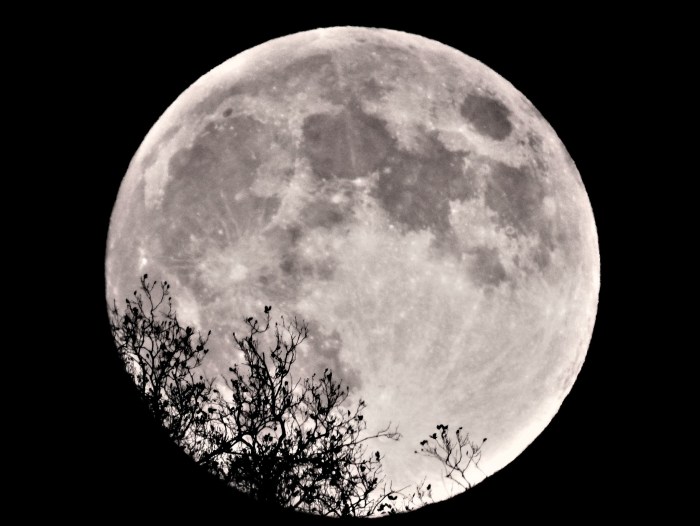
Wrapped up warm against the elements, a woodland wander on a winter’s evening can make it much easier to imagine how much more familiar early civilisations were with those night skies and glorious constellations.

For those communities, the cycles of the lunar phases helped to track the changing seasons, with different Native American peoples naming the months after features they associated with the northern hemisphere seasons (including howling wolves, which give us January’s Wolf Moon).

Throw in some more of those spectacular sunsets to lift the spirits and it’s easy to forget the torrential downpours and muddy footpaths.

With the winter solstice behind us, the days start getting longer from here on. There’s plenty of grim winter weather to come, but it’s beginning to feel as if spring is just around the corner.

Perhaps it’s hardly surprising that around the world the day should have been seen as such a significant time of the year in many cultures, with midwinter festivals marking the symbolic death and rebirth of the sun, and with some ancient monuments like Stonehenge even aligned with the sunrise or sunset at solstice time.
Wildlife may be hard to spot on these short days, especially when the sun is obscured and the countryside can appear bleak, but snatched snapshots provide a welcome foretaste of the excitement of spring, like a juvenile great crested grebe surfacing amid water glinting like mercury.

Even back at the bird table, the humble robin is dressed to impress, a welcome splash of colour on the drabbest of days.

Come rain, hail or shine, our photographers are out in all weathers capturing the beauty of the Chilterns countryside, and we are enormously grateful for their evocative portraits of our local flora and fauna throughout the year.
If you would like to contribute any pictures, favourite moments or seasonal suggestions to our future calendar entries, join our Facebook group page or write to editor@thebeyonder.co.uk.
