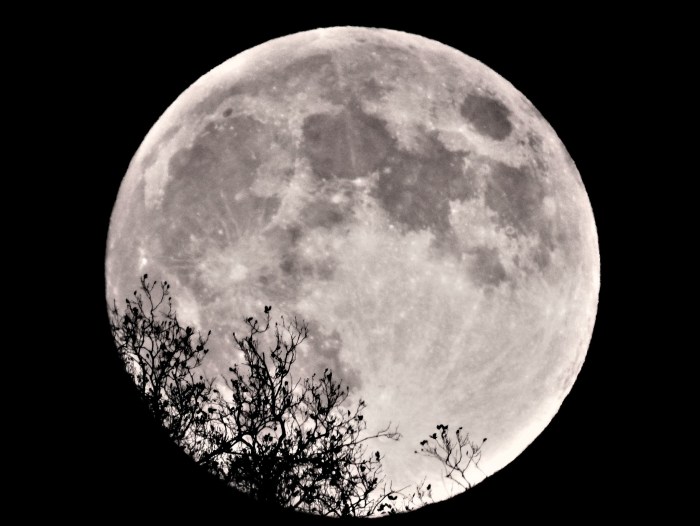
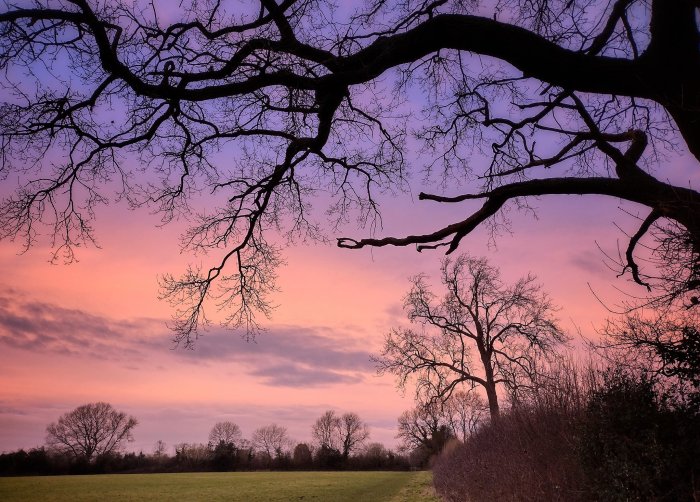
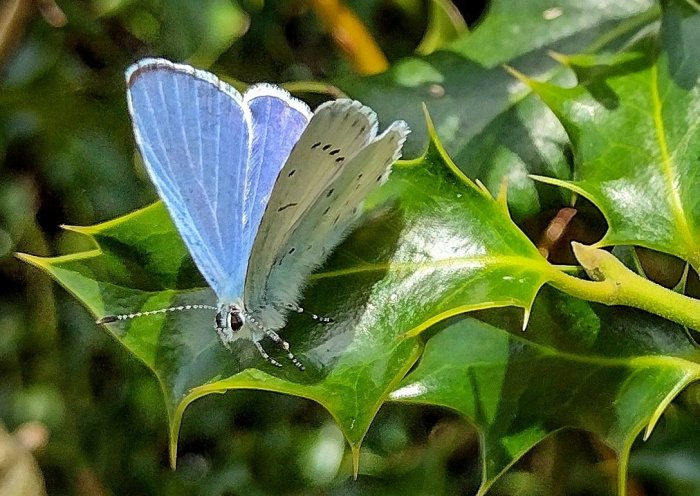
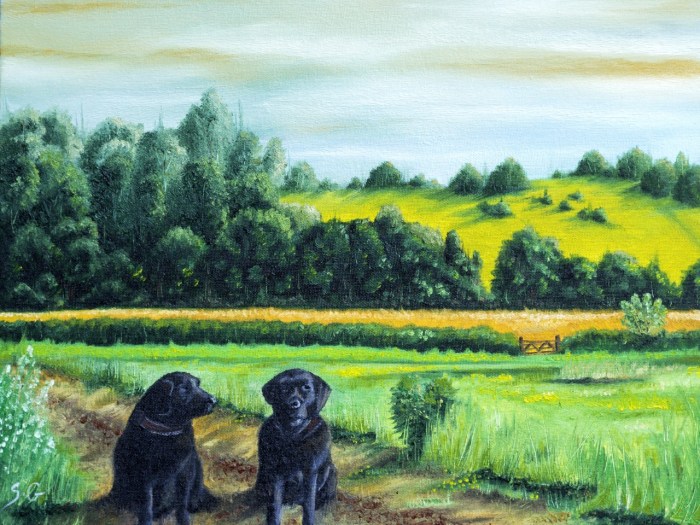
Day by day, November in the Chilterns

FRIDAY NOVEMBER 1

MISTY MAGIC: All Saints’ Day PICTURE: Sue Craigs Erwin

MISTY mornings and damp evenings often set the tone for November, so it was perhaps unsurprising that after all the hi-jinks of Halloween, many local photographers found haunting and atmospheric shots felt the most appropriate way to welcome in the new month.

Our calendar entry for November includes more than three dozen shots across the five counties which comprise our extraordinary Chilterns landscape, capturing the wildlife, flora and sunsets that help to make it such a magical time of year.

SEA OF GOLD: cobwebs at Princes Risborough PICTURE: Anne Rixon

In the run up to Halloween, a field of cobwebs near Princes Risborough caught the eye of Anne Rixon, transformed into a delicate sea of gold.

But a glorious picture which seemed to capture the magic of All Saints’ Day was Sue Craigs Erwin’s misty woodland scene which got widespread exposure through the Chesham Wildlife group and the Oxford Mail and Watford Observer camera clubs.

SATURDAY, NOVEMBER 2

FOR Graham Parkinson, there’s nothing to beat the glorious autumnal colours of our fabulous fungi, and his macro lens captured an array of stunning shapes and textures during a trip to Davenport Wood at Marlow.

FOREST FLAME: yellow stagshorn PICTURE: Graham Parkinson

It’s hard to pick a favourite from the selection, but few fungi are more startling than the bright yellow coral-like branches of the stagshorn.

The beautiful inedible fungus jumps out of the leaf litter, looking like a freshly set fire emerging from conifer stumps or roots, and is also known in the States as jelly antler fungus.

FASCINATION: thousands of species PICTURE: Graham Parkinson

The enduring fascination of fungi lies in their enormous variety, with thousands of different species offering an unlimited array of shapes and colours to be detected among the foliage.

Not that the uninitiated will want to get too close, perhaps: some of them are deadly and boast spine-tingling names like the destroying angel, funeral bell and death cap.

SUNDAY NOVEMBER 3

FOR some, getting out and about in nature is all about the wildlife, even if so many of our native creatures are quite difficult to spot.

LYING LOW: deer in Bushey Park PICTURE: Lesley Tilson

The undergrowth may be barer at this time of year, but that doesn’t always help, and the abundant leaf litter provides plenty of hiding places on the ground.

WELL INSULATED: sheep near Amersham PICTURE: Sue Craigs Erwin

But larger mammals stand out against the bracken and even familiar farmyard friends can have their own beauty in this autumnal landscape, the sheep looking well insulated against the chillier of the season’s winds.

MORNING GLOW: deer in Bushey Park PICTURE: Lesley Tilson

And when the skies oblige, there’s nothing like an early morning glow to lend a mystical feel to the most comfortable of silhouettes.

MONDAY NOVEMBER 4

IT’S the tail end of the deer rutting season, when stags are fighting for territory, and that can mean some pretty dramatic displays by competing males pumped full of testosterone.

CALL OF THE WILD: the rutting season PICTURE: Lesley Tilson

The rut begins in September and lasts until around early November, during which time stags engage in a series of behaviours aimed at showing off to the hinds and establishing their dominance.

If they’re not roaring fiercely or stamping the hround, they could end up literally locking antlers to fight for the right to mate with all the hinds in a “harem”.

WINNER TAKES ALL: the victor gets mating rights PICTURE: Lesley Tilson

Fights are ferocious and decisive and the winner takes all, but although the rut can be an amazing natural spectacle to witness, visitors to local deer parks are warned not to get too close to the competing stags.

TUESDAY, NOVEMBER 5

AT one point in The Essex Serpent, Sarah Perry writes: “A vixen drew near and turned her gaslight eyes upon him, then drew back and sat surveying him a while.”

“Gaslight eyes” is a gloriously poetic phrase to capture the extraordinary stare of a curious fox and that remarkable bright amber glow we associate with the mammals.

AMBER STARE: a curious fox PICTURE: Lesley Tilson

Perhaps it also has echoes of the “eyeshine” we associated with noctural creatures whose glowing eyes may be the first thing we see reflected in a torch or headlight at night.

The tapetum lucidum is a layer of tissue immediately behind the retina which reflects visible light back through the retina, increasing the light available to the photoreceptors.

When light shines into the eye of an animal having this “bright tapestry”, the pupil or the eye, appears to glow, emitting a range of colours from white and yellow to red, blue, pink and green.

WHO GOES THERE?: on the hunt PICTURE: Lesley Tilson

This unique adaptation allows for excellent night vision for nocturnal predators.

According to the Walking Mountains Science Center in America, generally mountain lions and bears have eyeshine in the yellow-to-red range. Deer and elk eyeshine is white, but moose eyeshine tends to be red. Rabbits and pikas have red eyeshine. Blue eyeshine is seen in other mammals, including horses. Foxes and domestic cats and dogs usually have green eyeshine, but cat eyeshine can also be orange to red.

WEDNESDAY NOVEMBER 6

LONDON poet and journalist Thomas Hood was no fan of November, it seems.

CLEAR VIEW: a Chilterns stream PICTURE: Lesley Tilson

Back in 1844 at the conclusion of his poem No! he penned the words:

No warmth, no cheerfulness, no healthful ease,
No comfortable feel in any member—
No shade, no shine, no butterflies, no bees,
No fruits, no flowers, no leaves, no birds,—
November!

OPEN ASPECT: Whiteleaf Hill PICTURE: Anne Rixon

But perhaps we need to remember that Hood was more familiar with the all-encompassing London smog of the mid-19th century rather than the clear air of the Chilterns: and indeed he was to die there from dropsy the following year.

So to combat his vision of a landscape with “No sky—no earthly view— No distance looking blue”, we’re published a trio of November views which rather give the lie to the idea of the month being one of smog and gloom!

LIGHT FANTASTIC: an Amersham sunset PICTURE: Gel Murphy

THURSDAY, NOVEMBER 7

IF Thomas Hood preferred to conjure up a somewhat bleak portrait of November, one Georgian poet had a distinctly more upbeat vision of the natural world.

Elizabeth Craven’s fascinating life was full of travel, love-affairs and scandals. Born into the upper class, she was pushed into marriage at 16 to Lord Craven and became a celebrated society hostess and beauty, as well as mother to seven children.

UPBEAT: sunlight over Latimer PICTURE: Sue Craigs Erwin

She went on to write a variety of poems, stories and plays, moving from Berkshire to France following separation from her husband in 1780 and living in seclusion there before travelling extensively all over Europe.

Later she went to live in Germany as the companion and eventually second wife of the Margrave of Ansbach before returning to England and mixing with the more rakish of the Regency set.

CLOSE OF DAY: blooms at sunset PICTURE: Gel Murphy

In her old age, she moved to Naples where she passed her time sailing, gardening and writing her memoirs, though a number of enigmatic gateposts at Hamstead Marshall near Newbury in Berkshire still stand as a reminder of the Craven family’s estates in the area.

But what’s all this got to do with the Chilterns countryside, you ask? Perhaps because we know Elizabeth Craven best for her most famous poem, one which remains popular at funerals today.

FAITHFUL EYES: Teddy the labrador

It’s a song of gratitude which begins:

I thank thee God, that I have lived
In this great world and known its many joys:

The songs of birds, the strong sweet scent of hay,
And cooling breezes in the secret dusk;
The flaming sunsets at the close of day,

Hills and the lovely, heather-covered moors;
Music at night, and moonlight on the sea,

The beat of waves upon the rocky shore
And wild white spray, flung high in ecstasy;
The faithful eyes of dogs, and treasured books,

The love of Kin and fellowship of friends
And all that makes life dear and beautiful.

TASTY TREAT: a winter snack PICTURE: Gel Murphy

Even on the bleakest of November days, it’s easy for us to relate to the “many joys” of which she writes and perhaps add our own favourites to her list of things that make life “dear and beautiful”.

FRIDAY, NOVEMBER 8

MIST and fog get a bad press in literature, and we have dozens of words capturing the dank, dreary and drizzly associations of such weather.

Around the country we get mizzle and mirk, smirr, fret and haar: and none of them sound particularly healthy.

BLURRED EDGES: mist in the woods PICTURE: Sue Craigs Erwin

In many novels, not least Susan Hill’s The Woman In Black, fog and mist roll in to warn us of impending doom. Her fog creeps in and out of alleyways and passages, “seething through cracks and crannies like sour breath”, a yellow, filthy, evil-smelling fog, menacing and sinister, disguising the familiar world and confusing the people in it.

BLIND MAN’S BUFF: en route to Widmer PICTURE: Carol Ann Finch

For her, it’s as if people were “having their eyes covered and being turned about, in a game of Blind Man’s Buff”, whereas Dickens in Bleak House envisions people on the bridges peeping over the parapets into a nether sky of fog, with fog all round them, as if they were up in a balloon and hanging in the misty clouds.

SENSE OF FOREBODING: fog among the trees PICTURE: Anne Rixon

But if authors like Dickens have helped us to associate such images with the smog of Victorian London or the bleak expanses of the Kent coast or Essex marshes, other writers paint a gentler and more kindly picture of such weather conditions.

In his 1948 poem The Smoky Smirr o Rain, George Campbell Hay writes evocatively:

The hills aroond war silent wi the mist alang the braes.
The woods war derk an’ quiet wi dewy, glintin’ sprays.
The thrushes didna raise for me, as I gaed by alane,
but a wee, wae cheep at passin’ in the smoky smirr o rain.

Unlike the fog’s sinister associations in The Strange Case of Dr Jekyll and Mr Hyde, Hay’s morning mist drifts gentle down, cool and kind and whispering, till land and sea disappear and all becomes “still an’ saft an’ silent in the smoky smirr o rain”.

TAKE OFF: a bird in the mist PICTURE: Gel Murphy

Much as we love the delicious shiver of darker associations and images, of Gothic novels where the grey pall recalls the wild moors of Wuthering Heights or the chilling howl of the Hound of the Baskervilles, we can relate to Hay’s softly silent world too.

When the edges of the landscape close in on us in a fine grey blur, sounds are muted and the air is damp, it may be that we feel blissfully calm and at peace with our silent surroundings, rather than fearing an approaching monster in the mist….

SATURDAY, NOVEMBER 9

SOMETIMES a sneaky snapshot of a cheeky squirrel is enough to brighten the greyest of days.

CHEEKY SMILE: a squirrel poses for the camera PICTURE: Sue Craigs Erwin

This ubiquitous woodland mammal may not be universally loved, but their incredible agility and cheerful demeanour often endear them to photographers struggling to capture more fast-moving, elusive or nocturnal wildlife, like weasels and stoats, bats and owls.

November’s glorious autumnal colours provide a spectacular backdrop on a sunny day, of course, but even some of our largest wild animals can blend into the background quite convincingly, and are alert to the sound of approaching footsteps.

AUTUMNAL COLOURS: a startled deer PICTURE: Sue Craigs Erwin

Wildlife photographers rely on a subtle combination of patience, skill and luck to produce their most spectacular shots, but for Phil Laybourne, one particular animal has been at the top of his bucket list for some time: the European polecat (Mustela putorius), part of the weasel family.

Detested by poachers and persecuted to the brink of extinction, polecats are roughly the size of their domesticated cousins, ferrets, but are nowadays a protected species in the UK under the Wildlife and Countryside Act 1981 and have been making something of a comeback in recent years.

BUCKET LIST: the European polecat PICTURE: Phil Laybourne

Part of the mustelidae family which includes species such the stoat, weasel, pine marten, otter and badger, as Phil’s startling portrait shows, polecats have a distinct bandit-like appearance, with white stripes across their dark faces.

They boast a two-tone coat with dark brown guard hairs covering a buff-coloured underfur, with a short, dark tail and rounded ears. Living in lowland wooded habitats, marshes and along riverbanks, they prey particularly on rabbits and have one litter a year in early summer.

SUNDAY, NOVEMBER 10

NOVEMBER is a month of remembrance, of poppies and poppy-strewn memorials, of old soldiers and wreath-laying ceremonies, of sombre thoughts of past battles and lost loved ones.

And in the wake of all the noise and light of bonfire night celebrations, Remembrance Sunday events across the world recall Armistice Day 1918, the end of hostilities in World War I.

LEST WE FORGET: poppies in Amersham PICTURE: Lesley Tilson

In countless brief, non-religious commemorations, wreaths are laid, the Last Post sounded and two minutes’ silence observed.

At the heart of these Royal British Legion events lies the reciting of the Exhortation, the best-known stanza of a poem written by British poet Laurence Binyon and published in The Times in 1914:

They shall grow not old, as we that are left grow old:
Age shall not weary them, nor the years condemn.
At the going down of the sun and in the morning
We will remember them.

REMEMBRANCE: recalling the fallen PICTURE: Lesley Tilson

Down on the North Cornish coast a couple of plaques commemorate the spot near Pentire Point, north of Polzeath, where Binyon composed the poem while sitting on the cliff-top looking out to sea a few weeks after the first British casualties of the war, at Mons.

In 1945 the second Sunday of November was adopted as a day of remembrance for both World Wars.

SILENT REFLECTION: the Amersham display PICTURE: Lesley Tilson

Over time, despite concerns at the occasion being hijacked by politicians and others to justify or promote military engagement, Binyon’s words have been claimed as a tribute to all casualties of war, regardless of state, with the events, wreaths and memorials offering an opportunity for silent personal reflection about all that is lost in times of war.

MONDAY, NOVEMBER 11

AFTER all the noise and light of bonfire night and diwali celebrations, as the plaintive Armistice Day notes of the Last Post die away it’s time to get out into the damp woods and soak up the sights and sounds of nature’s most spectacular fireworks show of the year.

NATURE’S FIREWORKS: autumnal hues PICTURE: Sue Craigs Erwin

For this fortnight in mid-November our woodlands are at their finest, clothed in a glorious array of yellow, gold and russet hues before the bright colours begin to fade and a spate of windy weather strips the branches bare.

It’s at this time of the year that our beech woods come into their full glory, with the gold and yellow foliage standing out against the wrinkled textures of the bark and littering paths in a riot of wonderful tints.

TEXTURE CONTRASTS: bark and leaves PICTURE: Sue Craigs Erwin

Mosses, lichens and intriguing fungi begin to disappear among the leaf litter, while youngsters and puppies rustle along the paths and more curious souls perhaps try to spot the difference between the leaves of the oak, hazel, birch or field maple.

Is that a lime or hornbeam, elm, larch or sycamore? Even if leaf fall occurs earlier than usual, as in 2010, 2015 and 2020 when there was a sudden rush of colour at the end of October, some foliage may still last till late November or even December.

COLOUR CURTAIN: dozens of shades PICTURE: Gel Murphy

Of course when it comes the realisation that autumn colours are gone and the leaves are bare is always a sombre moment. But for now, it’s time to make the most of that glorious fireworks display, when even on a cloudy day the trees themselves seem to be radiating light and dozens of different shades of colour delight the senses.

TUESDAY, NOVEMBER 12

AFTER so many dark, dank, dreary November days, clearer skies and plummeting temperatures can offer a dramatic change of perspective.

FIRE IN THE SKY: a dramatic sunrise PICTURE: Sue Craigs Erwin

And what better way of boosting our spirits than watching the sun come up?

In a world where staring at our mobile phones takes a huge toll on our physical and mental health, escaping into nature to watch the sun rise can be a transformative experience, helping to boost our mood and immune systems, not to mention inspiring us with a feeling of awe and helping us to see the world in a different light.

DIFFERENT LIGHT: the view at dawn PICTURE: Sue Craigs Erwin

Sunlight is good for our soul, they say: and perhaps setting the alarm a little earlier could be just the boost we need to help banish those November blues.

WEDNESDAY NOVEMBER 13

WHEN the skies finally clear of mirk and smirr, there’s no sight more cheering than a red kite soaring on the thermals against a deep blue sky.

Beloved by poets, ramblers and dog walkers but detested by gamekeepers and once persecuted to the brink of extinction, today their shrill, distinctive whistle has become synonymous with country life in the Chilterns.

ICONIC: the red kite PICTURE: Graham Parkinson

The graceful wings and distinctive forked tail cast a familiar shadow as they turn to catch the wind, several of them at a time wheeling effortlessly above the ridge, russet bodies catching the sun, sharp yellow bills glinting as those eyes scan the fields and hedgerows far below.

The poet David Cooke captures their place in history in the first stanza of Red Kites:

Plague birds, exquisite and focused,
who scavenged Shakespeare’s unspeakable
streets, they have drifted back
from the borderlands of extinction
on tense, splayed wings.

SCAVENGERS: a piercing gaze PICTURE: Sue Craigs Erwin

Given that they generally prefer scavenging for carrion, including roadkill, rather than hunting, the persecution seems even more misguided and unnecessary, but many are grateful that they are back in our skies again, soaring and serene, and in such numbers.

THURSDAY, NOVEMBER 14

NOWHERE does the past feel more vividly present in our daily lives than on the banks of the Thames.

The pattern of the river we know today would have been familiar to settlers thousands of years ago, and generations of invaders and settlers built their castles, forts and palaces along its banks.

MISTY START: Cock Marsh on the Thames PICTURE: Phil Laybourne

Phil Laybourne’s glorious portrait of Cock Marsh by Cookham lies far from the Roman city of Londinium, but this National Trust-owned land is a perfect place for a circular wander through a picturesque and unspoilt landscape of meadows and grassland slopes with panoramic views over the valley.

Here, shrouded in early morning mist, it’s easy to recall how the terraces above the Thames were colonised by nomadic hunter-gatherers of the Old Stone Age tens of thousands of years ago.

Habitation here has continued ever since, evident from Bronze Age tumuli and huge amounts of Roman pottery removed from the foot of Winter Hill in 1906, which is thought to have once been the site of a ferry across the river.

FRIDAY, NOVEMBER 15

IT MAY lack the scale and sheer spectacle of New England in the Fall, but autumn in the Chilterns lacks none of the vibrancy or splendour of displays “across the pond”.

Here, in countless woodland settings from Burnham Beeches to Penn and on towards the Vale of Oxford and the Cotswolds, or sleepy villages in Hertfordshire and Bedforshire, the annual display brings an extraordinary range of colours to the landscape.

VIBRANT: a canopy of colour PICTURE: Gel Murphy

In America, the leaf fall attracts travellers from across the world to the pretty villages and rugged landscapes of Vermont, New Hampshire, Maine and parts of Massachusetts.

There, they call it “leaf peeping”, when the crowds descend to view and photograph the dramatic colour changes in the autumn foliage, or set off on hiking trips to capture the colours at close hand.

VIBRANT: a canopy of colour PICTURE: Gel Murphy

In Japan, there’s a similar tradition called momijigari of going to visit scenic areas where the maple leaves have turned red in autumn.

We may not have a specific word for such outings in the Chilterns, but perhaps there should be.

LEAF PEEPING: autumn foliage at Burnham Beeches PICTURE: Andrew Knight

We are blessed to live in an area of outstanding natural beauty which pretty much epitomises quintessential English countryside, the weathered brick and flint of ancient cottages, pubs and farmhouses providing a perfect backdrop for an autumn walk.

But then again, perhaps it’s just as well the crowds haven’t cottoned on to the seasonal beauty of the Chilterns.

OUT AND ABOUT: an autumn walk PICTURE: Sue Craigs Erwin

In the States, fuelled by Instagram and social media influencers, some areas are inundated with bumper-to-bumper traffic, with hiking routes becoming dangerously overcrowded and locals complaining of inconsiderate tourists littering beauty spots and overunning small communities.

Whisper it quietly, then. When the skies clear, get out and savour the woodsmoke and simple pleasures of dogs and children rustling their way through the fallen leaves. We don’t need crowds to remind us just how beautiful our local landscape is.

SATURDAY, NOVEMBER 16

EVEN deep in the dark woods, the bare branches and piles of leaves are bathed in silver.

Overhead, the skies are clear, the air is cold and the final supermoon of the year is casting its glow into the furthest recesses of our footpath through the trees.

SUPERMOON: November’s Beaver Moon PICTURE: Carol Ann Finch

Our breath hangs warm in the chill evening air and the full Beaver Moon is now high in the sky, the last of four consecutive supermoons to brighten our night skies since August.

Teddy the labrador nuzzles among the leaf litter unaware. A startled muntjac thumps off through the bushes, unimpressed by our intrusion.

DISTANT MEMORY: golden afternoon hues PICTURE: Gel Murphy

The gleam seems surreal, the gold and russet hues of the afternoon a distant memory now that the moon “walks the night in her silver shoon”. This is the world of which Walter de la Mare wrote:

A harvest mouse goes scampering by,
With silver claws and a silver eye;
And moveless fish in the water gleam,
By silver reeds in a silver stream.

It’s called the Beaver Moon, probably because beavers are particularly active at this time of year as they prepare for the winter months ahead before sheltering in their lodges, or because this is when Native American fur trappers would set beaver traps before the swamps froze to ensure a supply of warm winter furs.

Supermoons occur when the moon is at its closest point to the Earth, when it appears bigger and brighter than usual, providing a treat for stargazers and photographers alike.

The next supermoon does not occur until October next year, so it could be worth catching it over the next night or two while we can.

SUNDAY, NOVEMBER 17

THOUGHT the fungi season was over? Think again.

They may be lurking under leaf litter and hidden from view, but those metabolic marvels are definitely out there, using cocktails of potent enzymes and acids to break down some of the most stubborn substances on the planet.

METABOLIC MARVELS: mushrooms in the woods PICTURE: Graham Parkinson

They come in all shapes and sizes and a startling of array of colours and textures, but it’s only in recent years that we’ve begun to realise quite how remarkable these extraordinary life forms are.

Merlin Sheldrake helped to open our eyes to that world in his book Entangled Life, introducing us to a hugely diverse kingdom of organisms that support and sustain nearly all living systems.

DIVERSE KINGDOM: fungi sustain life PICTURE: Graham Parkinson

When we think of fungi, we probably think of mushrooms. But mushrooms are only the fruiting bodies of fungi, where spores are produced and dispersed.

Fungi are everywhere around us, but largely hidden from view, undocumented and poorly understood despite, as Sheldrake argues, providing a key to understanding the planet on which we live.

POORLY UNDERSTOOD: woodland wonders PICTURE: Graham Parkinson

Perhaps it’s time to give those intriguing life forms a second glance, then. They may not look much lurking among the leaf litter, but they have a genuinely intriguing story to tell about life on earth.

MONDAY, NOVEMBER 18

ANOTHER day, another wet wander in the woods, another stunning range of fungi to delight the senses.

This time it’s the wood-rotting turkeytail, a bracket fungus which comes in a glorious array of colours and takes its name from its similarity to turkeys’ fan-like tail feathers.

COLOURFUL ARRAY: turkeytail fungus PICTURE: Graham Parkinson

Watching the dogs snuffling among the fallen leaves may make us wonder what wonderful scents they are discovering.

But then our own powers of smell are quite extraordinary too, even though we tend to take it for granted that we can tell the difference between, say, mustard and coal, or different fruits, herbs and flowers.

DELICATE: fungi lurk among the leaves PICTURE: Graham Parkinson

It’s said we have the capacity to detect a trillion different odours and can split complex mixtures into their constituent chemicals. But animals, plants and fungi do the same, changing their behaviour in response to the scent signals around them.

Truffle fungi use chemicals to communicate to animals their readiness to be eaten, for example, and the huge sums paid by top chefs for ripe truffles ensure that truffle hunting is a business steeped in dark tales of skulduggery.

So valuable are those white truffles of Piedmont or Perigord black truffles that all kinds of crimes have been committed by unscrupulous souls eager to cash in.

TUESDAY, NOVEMBER 19

THERE are flakes of snow falling and the temperature has plummeted, but there’s a final chance to reflect on the magical properties of those extraordinary organisms under our feet.

MAGICAL PROPERTIES: the humble mushroom PICTURE: Graham Parkinson

The rich autumn colours are still vibrant in the Chilterns, but cold air from the north is sweeping across the country and schools across Scotland, Wales and the north are closing in preparation for the anticiated snowfall.

There’s just time to savour some of those remarkable fungi before they disappear beneath the falling leaves, not to mention any potential snow and slush.

GOING FOR GOLD: autumn leaves PICTURE: Sue Craigs Erwin

It’s at this time of year that Merlin Sheldrake takes us to the hills around Bologna at the height of the truffle season to find out at first hand about the secret world of those spore-producing organs.

Closer to home, we meet a dog walker deep in the woods using a ball coated in truffle oil to practise scent work with his faithful companion. Truffle hunting may be big business in France and Italy, but across the UK there are training workshops and experience days for those wanting to discover more about the subtle art.

TREES ON FIRE: a vibrant display PICTURE: Sue Craigs Erwin

For Sheldrake, part of the fascination of mycorrhizal fungi like truffles is not just the symbiotic relationship between fungus and plant roots, but the way this involves understanding the importance of subtle variations in soil, season and climate: a intellectually stimulating mix of disciplines from agriculture and forestry to microbiology, ecology and climate change.

WEDNESDAY, NOVEMBER 20

THE frost is penetrating and we walk under a canopy of branches where yellow leaves fall like rain.

A pair of blackbirds, brazen as ever, rootle among the crispy leaf litter oblivious to the proximity of our huge, curious black labrador.

SANTA’S HELPER: the humble robin PICTURE: Lesley Tilson

Back at the kitchen door, a robin cocks his head expectantly. Folklorists recall a variety of superstitions surrounding Britain’s favourite garden bird, used by generations of parents as a warning to children that “Santa’s robin” was keeping a watchful eye over their behaviour in the run-up to Christmas, reporting regularly back to the North Pole.

Tame and friendly, the birds have had a place in our hearts for centuries, prompting one aggrieved magazine writer in the early 18th century to ask why people had “so good an esteem of this bird” given that the robin was “as malicious and envious a bird as any that flies”.

UNIMPRESSED: a red kite in the snow PICTURE: Sue Craigs Erwin

Yet the common belief was that of all wild birds, the robin was not to be harmed. As A E Bray put it in 1838: “Very few children in this town would hurt the redbreast, as it is considered unlucky to do so; this bird being entitled to kindness… above every other.”

THURSDAY, NOVEMBER 21

IF plummeting temperatures bring an icy chill to the Chilterns countryside, the cold also lures wildlife into closer contact with their human neighbours.

CHILL WIND: the first snowfall of winter PICTURE: Sue Craigs Erwin

Clear skies bring out the sun, offering photographers the prospect of capturing better portraits of more elusive garden visitors like nervous muntjac or a hungry red-legged partridge.

GARDEN GUEST: the red-legged partridge PICTURE: Graham Parkinson

Pictured against ice-covered fields or snuffling through the fallen foliage, this is the time to catch a glimpse of an elusive fox or badger hunting for food, an owl swooping low at dusk or hungry birds silhouetted against bare branches.

WINTER COAT: a fox on the prowl PICTURE: Sue Craigs Erwin

FRIDAY, NOVEMBER 22

A GLORIOUSLY clear night sky may have been a delight for stargazers, but bone-chilling temperatures meant many ramblers were content to gather round the fire rather than venture out into the frosty fields to survey the heavens.

ICY START: slippery footpaths PICTURE: Lesley Tilson

The correspondingly icy start meant slippery footpaths and chilly looking wildlife until the weak afternoon sun brought a little warmth and light back into the landscape.

COLD COMFORT: horses enjoy a nuzzle PICTURE: Lesley Tilson

The autumn colours are still evident, but the frosts have taken their toll on the trees and much of the colour is now on the ground, in great drifts of crisp leaves. And with storms forecast, we have perhaps now passed the peak days for “leaf peeping”.

BROWN CARPET: fallen leaves in the woods PICTURE: Lesley Tilson

As dusk falls amid the trunks of a soaring conifer plantation we hear the reassuringly rasping “koch koch” calls of a dozen pheasants taking refuge among the trees.

Our evening stroll is punctuated by their brief moments of panic: one male rushes out of the undergrowth in his chestnut tweed suit, white silk scarf and big red cheeks, jinking and twisting down the path like a ridiculously overdressed sprinter trying to avoid a hail of gunfire.

LIGHT FROSTING: a frozen track PICTURE: Lesley Tilson

In the trees above, the mumbling and grumbling continues, punctuated by an occasional unearthly crow of alarm and drumming of wings as another victim is flushed and neighbours echo the call of alarm.

We leave them to their peace, roosting in the chilly branches as night falls fast, draining all remaining colour from the woods.

SATURDAY, NOVEMBER 21

AT DAWN, there are only the most modest signs that Storm Bert is on the way: grey clouds scudding across the sky and some ominous waving of upper branches.

The temperature is milder than it’s been of late, in the Chilterns at least. But from the north come warnings of heavy snow, strong winds and blizzards, with the prospect of flooding and widespread travel disruption.

CALM BEFORE THE STORM: high winds are forecast PICTURE: Lesley Tilson

By mid-afternoon the deluge is well and truly under way and the winds are getting up, with country parks and Burnham Beeches closed because of the dangers of falling branches. It won’t be a great day for pictures, but luckily we have yesterday’s to remind us of just how cold we’ve been. . .

WARMING UP: temperatures are rising PICTURE: Lesley Tilson

SUNDAY, NOVEMBER 24

STORM Bert is still rustling its way through the Chilterns woodlands, but while this windy weekend is stripping much of the natural colour from our trees, there are villages and towns across the region lighting up with Christmas trees and seasonal decorations.

CHRISTMAS SPIRIT: Wooburn Green PICTURE: Phil Laybourne

Traditionalists may despair that the switching on of Christmas lights marks the start of a secular spending spree in the run-up to the holiday period, but for Christians Advent, which begins next Sunday, is the start of the liturgical year, a four-week-long period of reflection on the coming of Christ into the world at his birth.

Advent candles symbolise the four themes of hope, peace, love and joy associated with the arrival of Jesus and mark a time of shared meditation and prayer in Protestant, Roman Catholic, Orthodox and other Christian traditions.

TIME OF PRAYER: All Saints, Marlow PICTURE: Phil Laybourne

MONDAY, NOVEMBER 25

AFTER the ravages of Storm Bert, what a delight to see the sun again and realise that the golden glow of autumn is not a distant memory quite yet.

GOLDEN GLOW: the leaves remain PICTURE: Sue Craigs Erwin

The leaves of many trees may have been stripped bare, but others have withstood the winds and some species retain their leaves longer than others.

The result is still a wonderful spectrum of colour on a clear day, the russets and golds standing out against the evergreens.

SPECTRUM: after the storm PICTURE: Gel Murphy

All trees rely on leaves to capture carbon in the form of carbon dioxide from the atmosphere through photosynthesis and scientists are still finding out just why trees have evolved leaves of so many different shapes and structures.

TUESDAY, NOVEMBER 26

WHY do conifers have thick needle-shape leaves whereas deciduous trees like maples have thin, flat leaves? Why are some leaves thicker than others?

CLEAR SKIES: colour contrasts outside Amersham PICTURE: Sue Craigs Erwin

We don’t know all the answers but it’s partly about capturing carbon as efficiently as possible according to local conditions.

In recent decades, scientists have discovered that leaf longevity is the cornerstone of two distinct strategies for trees: slow return on investment versus fast return.

CARBON CAPTURE: harnessing energy PICTURE: Gel Murphy

In harsher environments, where nutrients are scarce and the growing season is short, those thin evergreen needles acquire carbon over the long term and improve nutrient conservation, whereas short-lived leaves favour rapid carbon acquisition

Where resources like sunlight, water, and nutrients are plentiful, deciduous species generally thrive and outcompete evergreens, growing quickly and shedding their leaves once the growing season ends.

WEDNESDAY, NOVEMBER 27

CHALK streams are fascinating. A distinctive feature of the Chilterns landscape, they are important habitats for wildlife and support a massive range of species, including some of our most threatened plants and animals such as water vole and brown trout.

IMPORTANT HABITAT: the Misbourne PICTURE: Gel Murphy

Of all the world’s chalk streams, 85% are in Southern and Eastern England, making them one of the world’s rarest habitats, the most diverse of all English rivers and home to a profusion of invertebrates, fish, birds and mammals.

Despite being such rare ecosystems of global significance and having an intriguing history, supporting many thriving industries in the past, they are also under threat from a variety of dangers, from over-extraction to pollution, population growth, the HS2 project and invasive species.

WILD ON THE WATER: birds on the Misbourne PICTURE: Gel Murphy

Of the 283 English chalk streams, nine are in the Chilterns, among them the Wye, Chess and Misbourne, flowing south-eastwards down the chalk escarpment towards the River Colne and the Thames.

From ancient times, permanent settlements began to emerge clustered around the chalk streams and industries of all types have thrived over the millennia along the banks, from watercress beds to dozens of mills turning grain into flour and rags into paper.

RIVERBANK LIFE: a thrush looks for food PICTURE: Sue Craigs Erwin

Waterside locations have also been used for spiritual and religious activity since prehistoric times, from the Bronze Age burnt mounds on the Chess to Roman shrines and temples on the Ver and Hamble Brook.

THURSDAY, NOVEMBER 28

FROM wind and rain to chilly nights and frosty mornings, November can be a fickle month. But when the sun finally breaks through the clouds or dawn breaks on a clear day, there’s nothing more uplifting.

ORANGE HUE: a misty sunrise PICTURE: Sue Craigs Erwin

Sunlight shapes how we feel about the world, and it bathes our landscape in a range of glorious colours, from the lilacs and oranges of a misty morning ramble to the rosy glow of a mid-afternoon outing.

ROSY GLOW: a goldfinch poses for the camera PICTURE: Sue Craigs Erwin

And if it’s great for our health and wellbeing, even during winter, it’s good for our photography too, giving depth and contrast to our portraits of local wildlife.

DIFFERENT LIGHT: sunlight gives portraits depth PICTURE: Sue Craigs Erwin

Access to natural light during the day helps to improve our sleep, productivity and mood, but it seems we are spending longer and longer indoors: up to 90% of our days, according to one recent study. And as jobs become more automated and computer-focused, we are becoming even more severed from our natural environments.

How energising then to be out on the banks of a chalk stream on a frosty morning watching the mist rise on the water, escaping our screens and embracing the light.

FRIDAY, NOVEMBER 29

THERE’S nothing to beat a glorious sunrise when it comes to boosting our spirits.

It may be bitterly cold outside, but when dawn banishes the dark, it brings a promise of hope and anticipation, of new beginnings and fresh adventures.

UP WITH THE LARK: a spectacular start PICTURE: Sue Craigs Erwin

Back in Homer’s day, dawn was personified by the rosy-fingered goddess Eos (Aurora in Latin), rising from her marriage bed to bring light to us mortals.

But whether this is a moment for quiet reflection, joyful thanksgiving or thoughtful preparation for the day to come, lacing up our boots for that dawn outing can be good for the soul, as well as our health.

VAPOUR TRAILS: the skies over Amersham PICTURE: Sue Craigs Erwin

It’s a chance to soak up the sights and sounds of nature in a very intimate and personal way, while our neighbours are still asleep and the countryside has not yet woken to the busy thrum of morning traffic or the pressures and time constraints of the school run.

EARLY SWIM: Rickmansworth Aquadrome PICTURE: Lesley Tilson

Wrapped up warm against the frost, walking in nature clears the mind of busy thoughts, each step part of a gentle rhythm keeping us in touch with the earth and alert to the sounds and movements of the wildlife braving the elements alongside us.

SATURDAY, NOVEMBER 30

LIGHT cheers us up in times of darkness. It reminds us that winter won’t last forever, and the sun will someday return.

Across ancient Europe, pagan peoples like the Anglo-Saxons celebrated the solar solstices and equinoxes, while the Celtic peoples marked the four midpoints between them.

CHEERING SIGHT: Christmas lights PICTURE: Phil Laybourne

Around the world, all the great winter holiday celebrations focus around light, and from the 1800s Christmas lights were added to the mix of candles, lamps, fireworks and roaring yule logs, reminding us of the divine connotations of the holiday season.

For early civilisations, the celebrations paid homage to the “invincible sun” that plays such a central role in our daily lives.

Hanukkah is also known as the festival of lamps and recalls how, following the reclaiming of the Temple of Jerusalem, a tiny cask of oil was made to last eight days — a token that God was still present with His people.

The Hindu festival of light, Diwali, is a time of music, feasting, family time and new beginnings while across the Pond, the seven candles in the kinara represent the seven principles of Kwanzaa, the holiday celebrated by African Americans, and people of the African diaspora, since 1966.

INVINCIBLE SUN: another sunrise PICTURE: Sue Craigs Erwin

For Christians, the Star of Bethlehem may have inspired the custom of placing lights in Christmas trees, while Advent Sunday marks the start of the liturgical year, with advent candles symbolising the four themes of hope, peace, love and joy associated with the arrival of Jesus.

At a time of war and suffering, light represents the presence of divinity or enlightenment, a reminder of the first Biblical miracle recounted in Genesis, Chapter 1, Verse 3: “And there was light.”

We’re enormously grateful, as always, to the talented photographers who have allowed us to publish their pictures this month. If you would like to contribute any pictures, favourite moments or seasonal suggestions to our future calendar entries, join our Facebook group page or write to editor@thebeyonder.co.uk.

Taking a labrador’s-eye look at the landscape

“HAVING a dog can really transform how you think about the place where you live,” writes Melissa Harrison in The Stubborn Light of Things.

FRESH PERSPECTIVE: on the Chiltern Way at Coleshill

I suppose that even back in those days when we were still only daydreaming about owning a dog, we were aware of the truth of that statement.

We would wander familiar paths across the Chilterns bumping into countless dog owners along the way, wondering quite what it might feel like to have one of our own to accompany us on our rambles.

But with no specific animal or even breed to actively visualise, such musings lacked shape and form.

FAMILIAR PATH: the Chiltern Way at Hodgemoor

When Teddy arrived, one of the most exciting prospects was being able to have a much more concrete idea of how it would feel to be able to embark on such adventures when he was old enough to take exploring.

Since then, it’s been a delight to see his response to different walks – once we know he can be trusted not to overreact to the people, pets and wildlife he might meet along the way.

LONG LINE: Egypt Woods

Our own little nature reserve and adjoining Wooburn Park was a great starting point, of course, popular with local dog owners and on the doorstep for those first outings.

ON THE DOORSTEP: cygnets in the nature reserve

It’s ideal for peaceful early morning and late-night wanders though, or in filthy weather when most people are indoors, but this is a place that’s full of exciting distractions at peak times – perfect for some long-line training as he gets older, perhaps, but not somewhere he can yet be trusted off the lead during the day.

FIRM FAVOURITE: Wooburn Park

Exploring further afield has been fun, even it won’t be genuinely relaxing until he is old enough to be fully trusted. But as the weather starts to improve, there are plenty of memorable new experiences to savour.

His first trip to the seaside, for example, takes us on a rain-soaked visit to Avon Beach at Christchurch before it closes to dogs in the summer months.

WET PAWS: on the beach at Christchurch

Nice to get those paws in the water, yes – but he’ll need to calm down a lot before he can be trusted to potter about on the beach without jumping all over a stranger.

FUN IN THE RAIN: Avon Beach

Likewise in all our favourite spots, from the quietest corners of Hodgemoor, Penn and Burnham Beeches to the network of footpaths that criss-cross our corner of the Chilterns.

LOCAL HAUNT: wet weather in Hodgemoor Woods

It’s wonderful to see him discovering new sniffs to explore, and for now the emphasis is on encouraging that recall that will allow more chilled-out loose-lead walking in the future.

It’s a stop-start process as those hormones kick in. One day he’ll leap cheerfully into the car, the next he’ll pause to reconsider his options. Or flump like a dead weight in the grass refusing to budge.

SPRING IN THE AIR: among the flowers at Coleshill

But as the bluebells spring up around the woods and the weather improves, there’s no shortage of old haunts to rediscover – and there have been some major triumphs too.

APRIL COLOUR: bluebells in Hodgemoor Woods

He’s joined us on our first short holiday away from home, inquisitively snuffling around the unfamiliar Yorkshire landscape and cheerfully nestling down to sleep the night in a guest crate in front of the dying embers of a log fire.

CHANGE OF SCENE: holidaying in the Yorkshire Dales

If the sheep-dotted fields smell different from the ones at home, Ted’s not giving anything away. But then our boisterous friend is not the most observant of puppies. When a curious sheep comes to look at him through a gap in the nearby wall, Teddy is oblivious.

OPEN OUTLOOK: the bleating of sheep fills the morning air

And it’s no different back home. Squirrels and deer go unnoticed. Rabbits might as well stick their tongues out at him as they bounce around in his wake…

He’s been introduced to pigs, horses and cows but reactions have varied. He’s unsure what to make of those friendly snuffling pigs. He’s managed to walk past horses quite closely without getting too excited but couldn’t contain himself when some curious young calves wanted to chat through a gate.

LEARNING THE ROPES: en route to Winchmore Hill

For the most part, though, he’s blissfully unaware of the wildlife criss-crossing his path while his head is stuck in the nearest bush. We wonder whether this mystery puzzles him. Those scent receptors are so sensitive and must tell stories of a hundred mystery animals he’s never actually seen. But then perhaps it’s a blessing that he’s not shooting off into the undergrowth on the heels of every passing squirrel or bunny.

Sometimes it’s hard to measure progress in a linear way. Two steps forward, one step back. But it’s easy to overlook those little triumphs that reveal our rebellious teenager is genuinely making progress.

On a good day when that little face looks adoringly up at you as you approach the house, or when he actually does sit down at the kerb before crossing the road, there’s cause for optimism.

FEED ME: cupboard love at the dining table

But then there’s a suspicious looking pigeon crossing the path and he bolts like a greyhound, wrenching the lead and almost dislocating fingers or shoulder…frustrating.

And yet, for all the setbacks, we’re not back at Square One. As the labrador forums remind us, persistence and consistency will pay off. Well, that’s the theory anyway…

TIME FOR BED: an old friend meets an untimely end

New year gleams with a frosty sparkle

CRISP mornings and plummeting temperatures replace the dreary days of December as the New Year casts a welcome sparkle over the timeless Chilterns landscape.

DAWN SPARKLE: mist on the fields PICTURE: Lesley Tilson

The branches may be bare and the fields covered in frost, but the first spring-flowering bulbs are beginning to poke through the leaf litter: snowdrops and winter aconites providing a welcome source of nectar for hungry bees at a time of year where other food may be hard to find.

WATERLOGGED: it’s wet in the woods PICTURE: Gel Murphy

As soon as the land heats up some paths are still waterlogged and our main roads are depressingly lined with litter, but as soon as you leave the main thoroughfares behind, the ramblers and dog walkers leave much less of an imprint on the surroundings.

OPEN COUNTRY: leaving the litter behind PICTURE: Sue Craigs Erwin

Here the birds are much more visible against the bare branches as they hunt out berries and there will be carpets of yellow and white flowers among the trees before too long.

BREAKFAST BERRIES: a robin finds a feast PICTURE: Lesley Tilson

From frosty dawn forays to chilly, starlit evening strolls, this is a time of year when the countryside may look asleep but small signs of life are everywhere now that the daylight hours are increasing.

DAWN LIGHT: a morning encounter PICTURE: Sue Craigs Erwin

You can hear the first signs of a dawn chorus, as our feathered friends start to prepare for the breeding season after the long hard winter and begin to realise there’s more to life than bickering over the scraps on the bird table.  

TASTY TREAT: a blue tit finds some nuts PICTURE: Lesley Tilson

The volume will grow day by day during the month as the sparrows, robins, dunnocks and tits all start to get in on the act, switching from clicking call notes to more coherent song, full of thoughtful phrases issued from the highest perches.

BATH TIME: a wren takes a dip PICTURE: Nick Bell

It’s still a delicate balance, though. The nights are still interminably long for small birds fighting to find enough food during the short chilly days to avoid starving during the hours of darkness.

BALANCING ACT: a marsh tit gets peckish PICTURE: Graham Parkinson

2024 proved to be a waxwing winter, with the berry-loving birds flocking to the UK in large numbers and brightening up our town centres with their swooping crests, distinctive black “eyeliner” and orange, grey and lemon-yellow tails.

WAXWING WINTER: a colourful visitor PICTURE: Lesley Tilson

Another distinctive figure is the grey heron, the largest bird most of us will ever see in our garden with a wingspan of around 6ft, and also one of the earliest nesters.

EARLY NESTER: the grey heron PICTURE: Lesley Tilson

It’s not unusual to see herons picking up sticks and twigs towards the end of January, and some birds lay their first eggs in early February, though the normal start is early March.

ON SONG: a robin pointing the way PICTURE: Sue Craigs Erwin

Watching these dinosaur-like birds patrolling our river banks in search of a fishy snack, it’s hard to believe that roast herons were popular at medieval banquets. But they seem to be thriving these days, and they’re sociable birds, invariably nesting in long-established heronries which can include dozens or even hundreds of nests.

MAKING A SPLASH: a chilly swan PICTURE: Lesley Tilson

Early morning forays to local woods and beauty spots provide a vivid reminder of just how much wildlife is around us, even if many animals are still sheltering from the wintry blast or are quick to disappear at the sound of an approaching footstep.

FISHING TRIP: a heron on the lookout for breakfast PICTURE: Graham Parkinson

Mammals are on the move this month too: as well as secretive deer and badgers, the fox breeding season peaks after Christmas and January is a peak month for foxes fighting and being run over as they trespass on each other’s territories and range further afield in search of mates.

WHO GOES THERE?: a curious muntjac PICTURE: Sue Craigs Erwin

From the sounds of barking deer and fox mating calls in those first daylight hours to the thrum of a woodpecker or whistle of a red kite, there are plenty of audible clues to the wealth of wildlife around us, even if it sometimes requires a sharp eye, zoom lens and early morning start to spot that heron, egret or well camouflaged owl.

WELL HIDDEN: an owl at Cassiobury Park PICTURE: Carol Ann Finch

If the ancient wings of the heron make the bird look positively Jurassic, the owl has long been a symbol of wisdom in literature and mythology. Their hunting prowess and night vision, in particular, impressed the Ancient Greeks, who believed that this vision was a result of a mystical inner light and associated the owl with the Goddess of Wisdom, Athena.

SILENT HUNTER: a barn owl hunting PICTURE: Graham Parkinson

The late American poet Mary Jane Oliver expressed it in a rather different way in her poem Little Owl Who Lives in the Orchard:

His beak could open a bottle,
and his eyes – when he lifts their soft lids –
go on reading something
just beyond your shoulder –
Blake, maybe,
or the Book of Revelation.

The ubiquitous grey squirrels are also very lively just now. Cheeky and incorrigible, as they enter the breeding season they can be seen chasing each other madly through the treetops in a frantic courtship dance.

CHEEKY: the acrobatic grey squirrel PICTURE: Nick Bell

The invasive greys may have many detractors but there’s no doubting just how clever, ingenious and adaptable they are, as we recalled in an article marking Squirrel Appreciation Day.

ADAPTABLE: the ubiquitous grey squirrel PICTURE: Sue Craigs Erwin

Smaller mammals like voles and mice may not be quite so outgoing, but rustles in the leaf litter might give away their presence as they trundle around on their daily chores, or you might stumble across one of the network of trails leading to their underground homes.

SHY RUSTLE: a bank vole at Warburg PICTURE: Graham Parkinson

Even if the birds are wildlife are too quick on the move to pose for your camera, there are plenty of lichens and mosses to provide glorious patterns on trees and walls alike, as well as perfect nesting materials for birds and food and shelter for invertebrates.

Fungi provide welcome splashes of colour too, and an array of intriguing patterns and shapes amid the soggy leaf litter.

FILLING THE GAP: bracket fungus on a tree bark PICTURE: Carol Ann Finch

The skeletal vegetation allows new vistas to open up too, however, exposing the earthworks, trails, mileposts and ditches so often hidden amid the undergrowth.

WELL TROD PATH: a mossy holloway PICTURE: Sue Craigs Erwin

While most plants tend to fruit or flower later in the year, you might spot the vivid yellow of mahonia or winter-flowering heather, the first hazel catkins starting to appear along hedgerows and the splashes of colour from the winter berries or vibrant red and yellow dogwood stems.

FEATHERED FRIEND: a tiny silhouette PICTURE: Sue Craigs Erwin

And if the landscape often lacks colour at this time of year, glorious sunsets and cloudless nights can often compensate.

COLOUR CONTRASTS: January’s wolf moon PICTURE: Carol Ann Finch

Clear January skies offer stargazers and nature photographers some great opportunities to turn their cameras skywards, as we examined in our full moon feature.

WOLF MOON RISING: January’s full moon PICTURE: Anne Rixon

Anne Rixon‘s stunning shot of this month’s Wolf Moon perfectly captured the timeless wonder of that striking vision when the moon shows its “face” to the earth.

Wolf moons and snow moons, blood moons and strawberry moons, harvest moons and worm moons…long before calendars were invented, ancient societies kept track of the months and seasons by studying the moon.

SLICE OF LIGHT: the moon’s surface PICTURE: Sue Craigs Erwin

Their shots reflect some of the amazing colour contrasts to be seen at this time of year, especially on dawn and dusk walks.

SKY’S THE LIMIT: sunset near Amersham PICTURE: Sue Craigs Erwin

It’s a wonderful antidote to the relative bareness of the countryside, and a reminder of just how spectacular the Chilterns can be throughout the changing seasons.

SEA OF MIST: dramatic colours at Coombe Hill PICTURE: Lesley Tilson

As always we’re greatly indebted to our wonderful team of photographers who have been out and about in all weathers trying to capture the perfect shot, and we’re always keen to hear from other contributors who may be out and about across our circulation area, from Berkshire to the Dunstable Downs, from the outskirts of London to the wilds of Oxfordshire.

LOCAL LANDMARK: Brill windmill PICTURE: Lesley Tilson

If you would like to contribute any pictures, favourite moments or seasonal suggestions to our future calendar entries, join our Facebook group page or write to editor@thebeyonder.co.uk.

Colours to brighten the dullest of days

DAMP and dreary or freezing and frostbitten, December can be a month of the starkest contrasts.

COLD COMFORT: December skies PICTURE: Gel Murphy

In milder years the Chilterns may be spared the travel chaos caused by icy roads and seasonal storms but suffer dreary days of drizzle and mirk when we yearn for those clear skies and chilly mornings that make it feel like a proper winter.

THIN ICE: winter arrives witha vengeance PICTURE: Gel Murphy

Muddy footpaths don’t quite create the same Christmas spirit as sparkling frosts, and mild temperatures strike fear in our hearts about climate change.

Christmas Eve 2023 was the warmest for 20 years at Heathrow Airport, for example. And in 2022, New Year’s Day was the warmest on record, with temperatures thought to have been boosted by warm air wafting in from the Azores.

SUBTLE HUES: the Chess Valley PICTURE: Gel Murphy

But even in those wetter weeks when steady downpours dampen our spirits and cause heavy flooding, as the festive lights go up in villages across the Chilterns, occasional breaks in the rain allow us the chance to enjoy the more subtle winter hues and the undoubted relief that nature can offer to those dispirited by the short, dull days.

IN THE PINK: birds silhouetted against a winter’s sky PICTURE: Paula Western

2021 saw the dullest December in 65 years, with only around 26.6 hours of sunshine across the UK, leaving many feeling dispirited.

CHILL IN THE AIR: 2022 saw a cold start to winter PICTURE: Lesley Tilson

But if 2023 was worryingly mild, the first two weeks of the previous December saw the coldest start to meteorological winter since 2010.

ICY SNACK: frozen berries PICTURE: Lesley Tilson

Even on the coldest days, bare branches and frozen berries provide striking patterns on early morning rambles, while the weak winter sunshine can create dramatic light effects.

DELICATE PATTERN: a spider’s web encased in ice PICTURE: Gel Murphy

And while there may be fog and mist to contend with, on crisper days when the ice forms delicate filigree patterns on spiders’ webs and animals’ breath hangs in the cold air, such rambles can be a genuine delight.

WATCHFUL EYES: sheep near Amersham PICTURE: Sue Craigs Erwin

It’s a time of year when the past feels very close at hand in our ancient Chilterns landscape, where small villages sit clustered round their ancient churches as they have done for centuries, spirals of woodsmoke curling into the air as dusk falls and the inviting glow of lamps and lanterns lights up the cottage windows.

IN TOUCH WITH THE PAST: the Chilterns in winter PICTURE: Gel Murphy

Here, even those hallmarks of our industrial past, the railway bridges and canal towpaths, feel wholly immersed in the natural world, their weathered bricks polished and aged by time and the elements until it feels as if they must have always been here.

WEATHERED BRICKS: the canal at Wendover PICTURE: Lesley Tilson

Yet for many, especially those coping with bereavement, illness or personal tragedies, this is a particularly challenging time of year.

FIRE IN THE SKY: dawn and dusk offer dramatic contrasts PICTURE: Sue Craigs Erwin

For some, seasonal affective disorder is a more serious type of depression that comes and goes in a seasonal pattern, symptoms of which include a persistent low mood, loss of interest in everyday activities, an extreme lethargy and feelings of despair, guilt and worthlessness.

AWASH WITH COLOUR: fields outside Amersham PICTURE: Lesley Tilson

Even nature lovers can struggle with winter depression on those short days when the sun is obscured and the landscape full of greys and browns, but many find refuge and comfort in the great outdoors from the cares and tribulations of daily life.

MUTED COLOURS: a frosted tree outside Amersham PICTURE: Gel Murphy

For some, that renewed relationship with the natural world may be even more dramatic. As Catherine Arcolio explained in 2023, for her, nature became a genuine life-saver, a way of overcoming despair and addiction.

WOODLAND ESCAPE: peace among the trees PICTURE: Sue Craigs Erwin

“Each day was an abyss,” she recalled. “All the colour, light, purpose and connection had drained out of my life.”

PLACE OF REFUGE: the healing power of nature PICTURE: Lesley Tilson

That was before a move from the city to a tiny rural community offered her the chance to reclaim her life amid the quiet of the woods, the natural world allowing room to breathe, unwind and recover.

ROOM TO BREATHE: Amersham nature reserve PICTURE: Lesley Tilson

Catherine’s tale may be particularly dramatic, but she is far from alone – and even veteran blogger Peaklass admits to finding the dark of winter days very difficult.

WINTER LIGHT: savouring the outdoors PICTURE: Lesley Tilson

“Sometimes, on the darkest winter days, the very best place to be is in the woods,” she says. “Among the noisy rattle and creak of bare branches and the constant seethe of water over rocks, there’s a strange kind of peace and stillness.

ROSY GLOW: a spectacular sunset PICTURE: Sue Craigs Erwin

“The air is cool and damp, but so soft that it seems to wrap itself around you, as if Nature has been waiting to welcome you back.

SNOW ON SNOW: Brush Hill nature reserve PICTURE: Anne Rixon

“No matter how cold my fingers and toes get, it always feels like a physical wrench to leave the mist and quiet colours and return to the day.”

GOING FOR GOLD: the light returns PICTURE: Sue Craigs Erwin

Nonetheless, she writes with delight of the winter solstice: “From tomorrow, the sunset ticks later minute by tiny minute and the light gradually returns, ready to coax awake the sleeping seeds and fill the forests with gold again.”

SHORTEST DAY: a winter solstice sunset PICTURE: Anne Rixon

That’s when those snatched snapshots can provide a welcome foretaste of the excitement of spring, when a ray of sunlight falls perfectly on a leaf or the mist clears to suddenly leave the landscape awash with colour.

DAWN TO DUSK: the sky glows outside Amersham PICTURE: Gel Murphy

The sparse foliage makes it easier to pick out feathered friends against bare branches and first-time birdwatchers find it a perfect opportunity to begin recognising the different shapes and colours.

WINTER VISITOR: a redwing PICTURE: Sue Craigs Erwin

Plummeting temperatures can make winter a challenging time for small birds, but they have several adaptations which help them through the colder months, including a range of feathers which perform a range of different functions.

EVERGREEN APPEAL: a mistle thrush at Cliveden PICTURE: Nick Bell

Wing and tail feathers are used for flight, contour feathers cover their body and thousands of tiny downy and semi-plume feathers sit next to a bird’s skin for insulation.

RESTLESS CHATTER: a curious starling PICTURE: Graham Parkinson

Contour feathers have a waterproof tip and a soft, downy base and are arranged like roof tiles over the bird’s body, overlapping so the downy part of one feather is covered by the waterproof tip of another.

WINTER SHOWER: a cold bath PICTURE: Nick Bell

The feathers’ waterproof properties are maintained through careful preening, which keeps them in an interlocking structure. 

TAKEAWAY TREAT: a hungry chaffinch PICTURE: Graham Parkinson

For those wanting to identify birds by the sounds they make, there couldn’t be a better starting point than Mark Avery’s guides to different types of birdsong, worth exploring in plenty of time ahead of the spring, when the dawn chorus starts to grow in volume and variety.

CHOCKS AWAY: a red kite launches into action PICTURE: Graham Parkinson

Certainly for those out in all conditions the occasional glimpses of winter sunshine help to expose some cheerful splashes of colour, like the rich plumage of a mandarin duck lit up like a painting-by-numbers gift set against dark water.

RICH PLUMAGE: mandarin ducks PICTURE: Carlene O’Rourke

And once the sunlight finally does break through the mist and murk, the clarity of the winter air can provide some startling contrasts – the sails of a windmill silhouetted against the winter sky, the glorious colours of a red kite dramatically backlit by the afternoon rays or vibrant berries glittering like jewels among the winter foliage.

RICH PICKINGS: winter berries PICTURE: Sue Craigs Erwin

Some distinctive landmarks have dominated the skyline for hundreds of years, like the magnificent post mill at Brill which has timbers dating from the 17th century.

CLEAR SKIES: Brill Windmill PICTURE: Siddharth Upadhya

Over in Oxfordshire, the stone tower mill at Great Haseley suffered years of neglect before being fully restored to its original working order in 2014.

MILLER’S TALE: the Great Haseley windmill PICTURE: Siddharth Upadhya

For winter ramblers, dusk and dawn are favourite times to brave the elements, not just in the hope of a spectacular sunrise or sunset but because those quiet times are also often the most promising for catching wildlife unawares.

FURRY FRIEND: a cute encounter PICTURE: Sue Craigs Erwin

Even when nature is looking at its lowest ebb and many creatures are dormant or hibernating, the hoot of a tawny owl or bark of a fox or muntjac reminds us that our local wildlife is never too far away, even if we can’t always see it.

SLIM PICKINGS: a red kite looks grumpy in the snow PICTURE: Anne Rixon

The welcome whistle of red kites is familiar to anyone living in the Chilterns, while buzzards too are an increasing common sight above our woodlands once more, having quadrupled in number since 1970.

FROZEN TRACKS: leaves crackle underfoot in the woods PICTURE: Gel Murphy

Furtive and fast-moving, or sleepy and nocturnal, our stoats and weasels, dormice and badgers are not easy to spot, but tracks in the snow and rustles in the hedgerows may give away their presence.

WINTRY WANDER: a path through the trees PICTURE: Sue Craigs Erwin

At night the owls are calling loudly too, and on clear nights those with their lenses trained further afield have the chance of capturing the appropriately named “cold moon” or other features of the night sky.

COLD MOON: the final full moon of the year PICTURE: Anne Rixon

Wrapped up warm against the elements, a woodland wander on a winter’s evening can make it much easier to imagine how much more familiar early civilisations were with those night skies and glorious constellations.

FAMILIAR SIGHT: the night sky in December PICTURE: Sue Craigs Erwin

For those communities, the cycles of the lunar phases helped to track the changing seasons, with different Native American peoples naming the months after features they associated with the northern hemisphere seasons (including howling wolves, which give us January’s Wolf Moon).

FROSTED BERRIES: icy treats for hungry birds PICTURE: Lesley Tilson

Throw in some more of those spectacular sunsets to lift the spirits and it’s easy to forget the torrential downpours and muddy footpaths.

BLUE-SKY THINKING: a misty morning near Amersham PICTURE: Lesley Tilson

With the winter solstice behind us, the days start getting longer from here on. There’s plenty of grim winter weather to come, but it’s beginning to feel as if spring is just around the corner.

LONGEST NIGHT: the winter solstice PICTURE: Anne Rixon

Perhaps it’s hardly surprising that around the world the day should have been seen as such a significant time of the year in many cultures, with midwinter festivals marking the symbolic death and rebirth of the sun, and with some ancient monuments like Stonehenge even aligned with the sunrise or sunset at solstice time.

Wildlife may be hard to spot on these short days, especially when the sun is obscured and the countryside can appear bleak, but snatched snapshots provide a welcome foretaste of the excitement of spring, like a juvenile great crested grebe surfacing amid water glinting like mercury.

MERCURY RISING: a young great crested grebe PICTURE: Graham Parkinson

Even back at the bird table, the humble robin is dressed to impress, a welcome splash of colour on the drabbest of days.

SEASONAL FAVOURITE: a Christmas robin PICTURE: Sue Craigs Erwin

Come rain, hail or shine, our photographers are out in all weathers capturing the beauty of the Chilterns countryside, and we are enormously grateful for their evocative portraits of our local flora and fauna throughout the year.

If you would like to contribute any pictures, favourite moments or seasonal suggestions to our future calendar entries, join our Facebook group page or write to editor@thebeyonder.co.uk.

Lass keeps landscape in perfect focus

FEW people know the quiet lanes, secret footpaths and pretty villages of the Peak District quite as well as Suzanne, the photographer best known asPeaklassto her army of followers on social media.

The writer and wanderer loves nothing more than escaping into the hills and dales that surround her home base in Hathersage.

And our picture choice to kick off the New Year shows a quartet of her stunning images showing the changing seasons across that glorious landscape.

An avid runner, walker and explorer, she’s never happier than when she’s outdoors and she’s passionate about every aspect of the Peak District National Park – its wildlife and communities, as well as the scenery.

MISTY MORNING: The Promise PICTURE: Peaklass

Undeterred by bad weather she’s out and about in all seasons, eager to communicate her joy in the beauty of the place and its hidden treasures through daily pictures and musings.

Much of her content features on the Let’s Go Peak District independent visitor website where she and a team of other photographers and local experts showcase the beauty of the Peak District National Park to the world.

It also features in calendars, prints and cards that she sells through her own online shop.

But her social media feeds offer a more intimate, personal glimpse of the landscape she loves so much, with its weathered stone walls and inviting gates to mist-covered paths and frosty fields.

ANCIENT LANDSCAPE: Entice PICTURE: Peaklass

“The more I read the news, the more I retreat to the woods,” she says. “Nature is undemanding, quietly performing complex, beautiful daily miracles, whether or not we notice.

“Out here with the trees, there’s an odd reassurance that comes from feeling how insignificant we are, how fleeting.”

From picturesque villages to tranquil valleys or deserted footpaths, Suzanne knows where to find the perfect shot to capture the essence of place, savouring the quiet of winter mornings, the delicate beauty of hoar frost or the silence among the trees when the only movement is that of the mist rising to meet the sunlight.

It’s not hard to see why she loves the national park either, with its ancient woodlands, curving valleys and windblown moors, along with those picture-postcard villages where the locals know everybody’s business and where stone cottages with smoking chimneys still line the twisting lanes just as they did 400 years ago.

WINTER TREES: The Silent Woods PICTURE: Peaklass

She’s written more than 70 Peak District walks, many bespoke routes for pubs, hotels or holiday accommodation providers, and is excited about the opportunity to inspire others to explore the local countryside, especially children.

She confesses to finding the dark of winter days very difficult, writing with delight of the winter solstice: “From tomorrow, the sunset ticks later minute by tiny minute and the light gradually returns, ready to coax awake the sleeping seeds and fill the forests with gold again.”

But equally, there’s little to beat the “feel-goodness” of a winter walk, she insists, “wrapped up warm, breath clouding, footsteps crunching, knowing there’s a hot chocolate waiting at the end”…

Winter may rage with wild winds and rattling branches, but its fading colours, rusting bracken and sullen skies have their own beauty, and Christmas lends a special magic to the picturesque villages of old stone cottages, the sparkling lights and decorated trees making homes look cosy and inviting.

Freshly fallen fluffy snow soaks up the sound waves from cars and people, softly blanketing the woodland floor and leaving only the bleating of sheep or the croak of jackdaws to disturb the peace.

AUTUMN PALETTE: Falling PICTURE: Peaklass

Autumn feels like a quiet season too, she reflects, compared with the riot of birdsong and bursting colours of spring and summer. “Autumn is slow, peaceful, as if Nature is gathering her thoughts, musing on the year and tucking in for the night,” she says.

Whether it’s the lamps coming on one by one across the valley or a little church sitting “like a boat adrift on a sea of mist” with the distant hills watching on, waiting for the village to wake, she brings a touch of poetry to the scene, as well as those startling images.

Lingering a while by the brook in Padley Gorge, where your breathing slows to match the soft push and pull of the water between rocks, or standing under giant beech trees as the soft early morning light turns gold, she is adept at capturing the subtle nuances of the landscape, and encouraging others to find room to escape the interruptions of the real world.

“When the world is too noisy and sad, it helps to walk into the kaleidoscope of an autumn country lane,” she reflects. “To hear nothing but your footsteps and the leaves falling, and to feel the solidity of old trees arching their boughs over you. I hope everyone can find their lane…”

Suzanne’s photographs can be found on her website and social media accounts, including Twitter and Instagram.

Picture of the week: 01/01/24

FEW people know the quiet lanes, secret footpaths and pretty villages of the Peak District quite as well as Suzanne, the photographer best known asPeaklassto her army of followers on social media.

The writer and wanderer loves nothing more than escaping into the hills and dales that surround her home base in Hathersage.

And our picture choice to kick off the New Year shows a quartet of her stunning images showing the changing seasons across that glorious landscape.

An avid runner, walker and explorer, she’s never happier than when she’s outdoors and she’s passionate about every aspect of the Peak District National Park – its wildlife and communities, as well as the scenery.

MISTY MORNING: The Promise PICTURE: Peaklass

Undeterred by bad weather she’s out and about in all seasons, eager to communicate her joy in the beauty of the place and its hidden treasures through daily pictures and musings.

Much of her content features on the Let’s Go Peak District independent visitor website where she and a team of other photographers and local experts showcase the beauty of the Peak District National Park to the world.

It also features in calendars, prints and cards that she sells through her own online shop.

But her social media feeds offer a more intimate, personal glimpse of the landscape she loves so much, with its weathered stone walls and inviting gates to mist-covered paths and frosty fields.

ANCIENT LANDSCAPE: Entice PICTURE: Peaklass

“The more I read the news, the more I retreat to the woods,” she says. “Nature is undemanding, quietly performing complex, beautiful daily miracles, whether or not we notice.

“Out here with the trees, there’s an odd reassurance that comes from feeling how insignificant we are, how fleeting.”

From picturesque villages to tranquil valleys or deserted footpaths, Suzanne knows where to find the perfect shot to capture the essence of place, savouring the quiet of winter mornings, the delicate beauty of hoar frost or the silence among the trees when the only movement is that of the mist rising to meet the sunlight.

It’s not hard to see why she loves the national park either, with its ancient woodlands, curving valleys and windblown moors, along with those picture-postcard villages where the locals know everybody’s business and where stone cottages with smoking chimneys still line the twisting lanes just as they did 400 years ago.

WINTER TREES: The Silent Woods PICTURE: Peaklass

She’s written more than 70 Peak District walks, many bespoke routes for pubs, hotels or holiday accommodation providers, and is excited about the opportunity to inspire others to explore the local countryside, especially children.

She confesses to finding the dark of winter days very difficult, writing with delight of the winter solstice: “From tomorrow, the sunset ticks later minute by tiny minute and the light gradually returns, ready to coax awake the sleeping seeds and fill the forests with gold again.”

But equally, there’s little to beat the “feel-goodness” of a winter walk, she insists, “wrapped up warm, breath clouding, footsteps crunching, knowing there’s a hot chocolate waiting at the end”…

Winter may rage with wild winds and rattling branches, but its fading colours, rusting bracken and sullen skies have their own beauty, and Christmas lends a special magic to the picturesque villages of old stone cottages, the sparkling lights and decorated trees making homes look cosy and inviting.

Freshly fallen fluffy snow soaks up the sound waves from cars and people, softly blanketing the woodland floor and leaving only the bleating of sheep or the croak of jackdaws to disturb the peace.

AUTUMN PALETTE: Falling PICTURE: Peaklass

Autumn feels like a quiet season too, she reflects, compared with the riot of birdsong and bursting colours of spring and summer. “Autumn is slow, peaceful, as if Nature is gathering her thoughts, musing on the year and tucking in for the night,” she says.

Whether it’s the lamps coming on one by one across the valley or a little church sitting “like a boat adrift on a sea of mist” with the distant hills watching on, waiting for the village to wake, she brings a touch of poetry to the scene, as well as those startling images.

Lingering a while by the brook in Padley Gorge, where your breathing slows to match the soft push and pull of the water between rocks, or standing under giant beech trees as the soft early morning light turns gold, she is adept at capturing the subtle nuances of the landscape, and encouraging others to find room to escape the interruptions of the real world.

“When the world is too noisy and sad, it helps to walk into the kaleidoscope of an autumn country lane,” she reflects. “To hear nothing but your footsteps and the leaves falling, and to feel the solidity of old trees arching their boughs over you. I hope everyone can find their lane…”

Suzanne’s photographs can be found on her website and social media accounts, including Twitter and Instagram.

Nature holds the key to recovery

FOR Catherine Arcolio, nature wasn’t always a refuge – but it was to become a genuine life-saver.

“There came a time when I had nothing left but hopelessness and despair,” she recalls on her website Leaf and Twig.

“Each day was an abyss. All the colour, light, purpose and connection had drained out of my life. I’d spent decades self-medicating my depression until eventually, my ‘solution’ became an addiction.

TOUGH JOURNEY: Catherine Arcolio

“Together, depression and addiction held me hostage for a number of years and then brutally robbed me of the will to live.”

It took support from her family and friends and a move from the city to a tiny rural community in New Hampshire for Catherine to find the resources that could help with the hard process of managing her depression and recovering from addiction.

SMALL-TOWN THERAPY: detail from Perspective PICTURE: Catherine Arcolio

“I found comfort in the quiet of the woods and in the peacefulness a lack of cell service imposes,” she says. “Nature asked nothing of me but my respect. I could be exactly as I was. Slow. Speechless. Sparkless. My spirit was in tatters.”

Lying across the river from Vermont and just a few hours from the Canadian border, her chosen place of refuge proved the ideal place to reclaim her life, she reflects.

SAFE REFUGE: detail from Asylum PICTURE: Catherine Arcolio

“It’s a very rural area. Our “town” features a stop sign, post office and tiny market,” she says. Immersed in nature, she was able to get out and about in all weathers, soak up the sunshine and rain and appreciate the particular beauty of each season and the natural processes of birth, ageing and death, savouring the eternal return of spring.

“A model of the whole, complicated, entwined, gloriousness of life,” she says. “That second spring I started to notice colours again. So many shades of green! A sky so blue you could practically splash it on your face.”

SECOND SPRING: detail from Visitor PICTURE: Catherine Arcolio

After living such a desolate grey monochrome existence for so long, the contrast was dramatic, but the transformation did not happen overnight.

“The healing was happening in infinitesimal increments, too small to notice daily or even monthly,” Catherine explains. “And then suddenly, like in the Wizard of Oz, the world was full of colour once again.”

WORLD OF COLOUR: detail from Morning Meditation PICTURE: Catherine Arcolio

Darkness wasn’t banished, but there was definite progress. The question was, how to keep moving toward the light?

Trawling the internet, Catherine stumbled across the work of Satya Robyn, an author, Buddhist teacher and psychotherapist who advocated writing short poetic observations or “Small Stones” as a way of engaging with the world in all its beauty.

POETIC SNAPSHOTS: detail from Destination Spring PICTURE: Catherine Arcolio

“I followed her prompt of writing a short observation each day for a month – and then just never stopped,” she recalls. “I decided to take a photograph of what I observed as I communed with nature each day and pair it with my words.

“Later I would learn this pairing is an ancient art form called ekphrastic poetry. All I knew was that it was helping me stay connected, aware, hopeful and grateful.”

COLD COMFORT: detail from Winter Work PICTURE: Catherine Arcolio

Now 62, she started posting on her Leaf and Twig website back in 2011, garnering dozens of “likes” for her short poems and making a “very modest” revenue stream from subscriptions, supplemented by occasional sales of fine art prints and greetings cards through her pixels.com and fineartamerica shops.

TASTY TREAT: detail from Break Time PICTURE: Catherine Arcolio

The poetry and photographs became something of a daily ritual, she explains: “One day at a time for over a decade I’ve built a foundation for my recovery and a body of work that honours and celebrates the natural world and our human condition.

“It happened organically, not as a grand plan. Just a practice to keep connected, to focus my mind towards gratitude rather than despair. This daily art-making saves me. I’ve been training my eye to always be on the lookout for beauty.”

SUNNY OUTLOOK: detail from Dreaming Porch PICTURE: Catherine Arcolio

In a “loud world” that moves faster and faster, she aims to transport viewers into a peaceful and intimate space, an opportunity to “linger in the renewal, nourishment and wonder of the natural world”.

And, like the woods, her website has been a refuge too, a “lovely community” of people who share their views through the comments, she says.

“That has been so healing to me, that the response to my work echoes the spirit in which it is offered.”

FIERY FINISH: detail from Flames from the Night Sky PICTURE: Catherine Arcolio

The internet can be a mean place, but Catherine’s website has been a sanctuary where supporters have found themselves drawn to her images and words, and the promise of beautiful daily encounters that they offer. And long may that continue.

Catherine’s blog can be found here, and her galleries of images for sale on pixels.com and fineartamerica.com.

Magical world amid the mist and murk

FOR some it’s the most evocative, magical and colourful month of the year: a time of misty mornings when a chance ray of sunlight might highlight the delicate filaments of a spider’s web or a dramatic sunset provide the perfect finale to a rain-soaked ramble.

SUNSET SONG: spectacular colours at Coombe Hill PICTURE: Gel Murphy

After the fun and games of Halloween, the noise and lights of bonfire night bring our caveman origins to the fore: bathed in woodsmoke and the acrid smell of gunpowder, we draw closer to the flames and huddle together for warmth and light.

Mosses, lichens and intriguing fungi flourish in the damp woods, while for a fortnight or so the trees are draped in the glorious yellow, gold and russet hues that mark the most spectacular natural fireworks show of the year.

FUNGI FIND: clustered bonnets PICTURE: Graham Parkinson

November is a month of remembrance too, of poppies and poppy-strewn memorials, of old soldiers and wreath-laying ceremonies, of sombre thoughts of past battles and lost loved ones.

LEST WE FORGET: November is a time of remembrance PICTURE: Sue Craigs Erwin

It can be a bleak, damp time, and with darkness falling by teatime and a fine drizzle all too often washing the colour out of the landscape, it can be all too tempting for us to stay close to the fire.

FAIRY CITY: mushrooms flourishing in the woods PICTURE: Anne Rixon

Making the extra effort to dress up warm and shrug off the rain can bring its own rewards, though.

RICH PICKINGS: a blue tit feasting on berries PICTURE: Lesley Tilson

There’s wildlife aplenty flourishing among the trees, with birds feasting on berries and hedgehogs settling down for the winter to a backdrop of whistles from the red kites that have become synonymous with the Chilterns in recent years.

GORGEOUS HUES: a red kite PICTURE: Sue Craigs Erwin

Once a common sight in the towns and cities of medieval Britain, the birds had become virtually extinct by the end of the 19th century after 200 years of human persecution.

PERFECT CAMOUFLAGE: a kite among autumn leaves PICTURE: Anne Rixon

These days the Chilterns is one of the best places in the UK to see the birds, thanks to a successful re-introduction project between 1989 and 1994 which now sees them soaring on the thermals across the region.

IN FULL FLIGHT: red kites are flourishing PICTURE: Sue Craigs Erwin

Not that they are the only birds of prey to be spotted on a November day. Owls and buzzards, kestrels and sparrowhawks can also make an appearance, squatting on a fencepost or swooping over the fields.

EAGLE EYED: a juvenile female sparrowhawk PICTURE: Graham Parkinson

We are blessed to live in an area of outstanding natural beauty which pretty much epitomises quintessential English countryside, with its sweeping chalk hills, quaint market towns, historic pubs and breathtaking views.

PICTURE POSTCARD: a quiet country lane PICTURE: Gel Murphy

The weathered brick walls of a pretty cottage down a quiet country lane reflect the final blaze of autumn colour before the icy blast of December arrives and the trees get stripped bare by fierce winds and driving rain.

CHEEKY FACE: the ubiquitous grey squirrel PICTURE: Sue Craigs Erwin

The squirrels are stocking up too, their cheeky faces one of the most familiar wildlife sights in local woods.

STAR PERFORMER: the grey squirrel PICTURE: Carol Ann Finch

On bleaker days, it may be hard to find much to photograph among the drab, dripping branches, though more inventive souls are good at spotting those small shapes, shadows and textures that can still produce the perfect picture.

SMALL DETAILS: textures and shapes stand out PICTURE: Gel Murphy

For some, it’s the small details which catch the eye, from veins on leaves, unfamiliar fungi or seed cases strewn among the leaf litter.

OUT ON A LIMB: leaf patterns catch the light PICTURE: Ron Adams

Up in the Lake District they call the sullen no man’s land between autumn and winter “back End”, a lost “fifth season” of the year recalled by author and friend Alan Cleaver, better known as @thelonningsguy.

AUTUMN GLORY: Coombe Hill PICTURE: Sue Craigs Erwin

Writing in his blog back in 2013, Alan wrote: “It’s such a blindingly obvious fact to most Cumbrians that you really do wonder how the rest of the world copes with a mere four seasons.

SOFT EDGES: trees loom out of the mist PICTURE: Sue Craigs Erwin

“It comes between autumn and winter when autumn’s lost its glory but winter is yet to bite.” It’s a perfect phrase for summing up the dank, drab atmosphere on some days in late November, when the light feels bleached and the undergrowth sodden.

CARPET OF LEAVES: walking the dog PICTURE: Gel Murphy

But not all days are like that – chilly glimpses of winter sunshine uncover the glories of the Chilterns landscape, from colourful fungi to foraging birdlife.

PURPLE HAZE: amethyst deceivers PICTURE: Graham Parkinson

And even on days when the landscape starts feeling somewhat bleak and unwelcoming, it’s a time when our bird tables come alive with tiny visitors and crisper mornings reveal gloriously intricate spiders’ webs and colourful mosses carpeting old tree stumps.

PLUSH PLUMAGE: a male bullfinch PICTURE: Graham Parkinson

Some less familiar faces may join the native birds feasting on the hawthorn, holly and juniper berries, while hedgehogs and badgers are seeking out comfortable spots for a wintry snooze – and there might even be a chance to catch sight of a stoat in its winter coat of ermine…a camouflage tactic that offers somewhat less protection now that our winters are becoming less and less snowy.

As November comes to a close, there may be a true icy blast to remind us that winter is just around the corner.

CHILLY OUTLOOK: looking out over Aylesbury Vale PICTURE: Lesley Tilson

Chilly it may be, but our timeless Chilterns landscape has not lost all its colour yet, tempting us out in our scarves and mittens in the hope of hearing the whistle of a kite or hoot of an owl, watching the wildfowl squabbling at the local quarry or the bats coming out to hunt as darkness falls.

TASTY SNACK: the colourful goldfinch PICTURE: Sue Craigs Erwin

Evergreen trees and bushes provide an array of berries for native birds and migrants alike, while foxes are on the move, younger dog foxes and some vixens leaving their home territory to try to establish territories of their own.

PASSING THROUGH: a fox on the move PICTURE: Sue Craigs Erwin

It’s a time of year when many young foxes are killed by cars, while others could die from cold or starvation if the winter is a hard one.

SUNNY OUTLOOK: a footpath at Latimer PICTURE: Sue Craigs Erwin

Badgers too are are pulling moss, leaves and bracken into their underground setts where they spend so much time snoozing, while round in the gravel pit the wildfowl are squabbling and the migrants have arrived in force.

SEEING THE LIGHT: a dramatic sunset PICTURE: Sue Craigs Erwin

On crisper, clearer mornings the lighting effects are more striking, and dramatic cloud patterns offer the promise of a memorable sunset.

BALANCING ACT: a rooftop silhouette PICTURE: Sue Craigs Erwin

When the sun is low on the horizon, the rays pass through more air in the atmosphere than when the sun is higher in the sky, and there are more moisture and dust particles to scatter the light and produce those vivid red and orange hues we love so much.

GRAND FINALE: an evening display PICTURE: Lesley Tilson

Some of the most dramatic sunsets occur when clouds catch the last red-orange rays of the setting sun or the first light of dawn and reflect the light back towards the ground.

MOONSHOT: our nearest astronomical neighbour PICTURE: Sue Craigs Erwin

The skies offer plenty of other photographic opportunities too. And on a chilly November night in the heart of the woods, there’s nothing more atmospheric than a full moon casting a ghostly glow through the ancient branches.

FADING LIGHT: leaf litter at Latimer PICTURE: Sue Craigs Erwin

Only an hour ago, the place was awash with autumn colour, the last afternoon rays of sunlight lighting up the russets and browns of the fallen leaves. Now, although it’s not late, there’s little stirring among the frost-tipped leaves. The dog walkers have long headed home and most creatures with any sense have burrowed down for the night.

LENGTHENING SHADOWS: in the woods near Latimer PICTURE: Sue Craigs Erwin

The call of an owl pierces the cold night air and the occasional explosive flurry of a startled pigeon or muntjac is enough to get the heart beating a little faster, but for the most part these dark woods seem deserted.

That’s something of an illusion, of course. It may be quiet, but this is still a refuge for wildlife of which we often catch only tantalising glimpses.

How often have we spotted a weasel or dormouse, for example? The occasional rustle among the leaf litter reveals we are not alone, and the reassuring hoots of the owls are a reminder that food is plentiful if you know where to look for it.

CHANCE ENCOUNTER: otters have been spotted on the Thames PICTURE: Nick Bell

But although a fortunate wild swimmer might bump into an otter in the Thames, or spot a bank vole preening its whiskers, you have to get up with the lark or mooch silently around at dusk to stand a chance of catching a glimpse of our more elusive mammals.

CUTE CUSTOMER: a bank vole PICTURE: Graham Parkinson

On night walks like these, it’s easy to have a sense of time standing still: of past generations sharing the same sounds and emotions as they trudged along the local drovers’ roads and ridgeways on just such a wintry evening in a past century.

FAMILIAR ROAD: time stands still on old footpaths PICTURE: Sue Craigs Erwin

Chilterns woodlands reek of history – of charcoal burners and iron age forts, of lurking highwaymen and wartime military camps.

PICTURESQUE: Finch Lane in Amersham PICTURE: Sue Craigs Erwin

Amid this picture postcard landscape, Romans built their ancient roads out from London, stagecoaches swept past on their way to Oxford or Amersham, and displaced Polish families lived for years among the trees after the Second World War…

IF TREES COULD TALK: ancient boughs at Burnham Beeches PICTURE: Andrew Knight

If the trees could talk, they could tell countless tales of past generations, of royal parks and medieval manors, entrepreneurs and philanthropists, poachers and politicians.

SPLASH OF COLOUR: autumn puddles PICTURE: Lesley Tilson

Speaking of one of her November rambles a couple of years ago, Melissa Harrison writes in The Stubborn Light Of Things: “Dusk is my favourite time to go out walking. As the light fades, the night shift clocks on: rabbits come our to feed, owls call from the copses and spinneys, and foxes, deer and bats begin hunting as darkness falls…”

GO WITH THE FLOW: the Thames at at Cliveden PICTURE: Siddharth Upadhya

She goes on: “But there’s another reason I love to be out of doors at day’s end. Here in Suffolk traces of the past are everywhere, from horse ponds glinting like mercury among the stubble fields to labourers’ cottages like mine with woodsmoke curling from brick chimneys hundreds of years old.

WHO GOES THERE?: a fallow deer buck PICTURE: Graham Parkinson

“In the half-light of dusk, the old lanes empty of traffic, it’s possible to leave behind the present day with its frightening uncertainties and enter a world in which heavy horses worked the land, the seasons turned with comforting regularity and climate change was unheard of.”

Here in the Chilterns too, the buried flints and pots beneath our feet remind us that this landscape has been home to people like us for thousands of years: we can smell the woodsmoke rising from ancient chimneys, watch the silvery Thames slicing through the fields and feel just a little more connected with the natural world around us.

AT THE CROSSROADS: a signpost at Ley Hill PICTURE: Sue Craigs Erwin

If you’d like to contribute to our “calendar” articles, contact us by email at editor@thebeyonder.co.uk or come and join us on our Facebook group page.

As always, a huge thank you to all the local photographers who have allowed us to use their work this month: click on their pictures to find out more about our regular contributors.

Season of renewal overshadowed by war

FEBRUARY. It might be one of the coldest, bleakest months of the year, but it’s also the shortest – and a time when families out on muddy wintry walks are eagerly on the lookout for the first signs of spring.

Not this year. This year, come February 24 and everyone’s eyes are on the other side of Europe and the shock Russian invasion of Ukraine.

LILAC WINE: a February sky outside Amersham PICTURE: Sue Craigs Erwin

Suddenly it seems a little trite to be chatting blithely about the Chilterns countryside awakening after winter. Instead, we are all glued to the television and the unthinkable images of war engulfing Europe.

As days turn into weeks and weeks turn into months, whole streets and towns are turned into rubble, sparking the biggest refugee crisis since World War II.

PALE HUES: dramatic colours over Coombe Hill PICTURE: Lesley Tilson

The devastation is already reminiscent of the streets of Syria and Iraq, and with families streaming over the border to Poland and other neighbouring countries, the fear is palpable and the threat is real.

How ironic then, that in the same week that war broke out we are visiting the Polish resettlement camp at Northwick Park in Gloucestershire and recalling how a previous Russian invasion more than 80 years ago changed the course of world history.

WARTIME ECHOES: Northwick Park camp PICTURE: Olivia Rzadkiewicz

It’s one of many reminders around the UK of those terrible events from the spring of 1940, made all the more painful by history being repeated so many years later.

Marysia, the wonderful woman we are visiting with, lived briefly in this camp when she first came to England as a teenager after the war – like so many others after a long and arduous journey via Russia, Persia and Africa.

LIVES IN TRANSIT: the monument at Northwick Park PICTURE: Olivia Rzadkiewicz

She was seven when the Russian soldiers arrived and her family was deported from their forest home to the icy wastes of Siberia.

After the war, Northwick Park was a brief stopping-off point before she was moved on to Herefordshire, but with many of the Nissen huts used to house families then still in use today for local businesses, in many ways the place looks very like it did more than 70 years ago, bringing memories flooding back.

FOREST CAMP: Polish families lived in Hodgemoor Woods until 1962 PICTURE: Andrew Knight

Many of the Polish families relocated to the UK lived in camps like this for years – including those in Hodgemoor Woods beside Chalfont St Giles, where the camp remained open until 1962.

Indeed by October 1946, around 120,000 Polish troops were quartered in more than 200 such camps across the UK.

All of which is an all-too-vivid reminder that the events being played out in the towns and cities of Ukraine today will have an impact on people’s lives for decades to come.

SHEPHERD’S DELIGHT?: a Chesham sunset PICTURE: Lesley Tilson

As the pale skies and dramatic sunsets of February give way to the brighter weather of March, we stumble across a young woman looking a little lost in local woods at sunset.

She has no dog and seems a little disorientated as dusk falls, but when we ask if she is OK she assures us that she is. She’s from Ukraine and adjusting to a new life in the Chilterns, insisting that she is fine.

FLYING HIGH: on the wing outside Amersham PICTURE: Sue Craigs Erwin

But as she wanders back to the village, we’re left wondering just how many families will be torn apart by the current conflict – and how many decades it will be before the shockwaves stop reverberating across Europe.

Here, the dawn chorus is beginning to pick up volume as the branches begin to look a little less bare and the first flowers poke through the frost: snowdrops and primroses, later to be followed by the daffodils and bluebells.

SPRING DANCE: daffodils brighten the hedgerows PICTURE: Sue Craigs Erwin

Once more photographers across the Chilterns are up with the lark, capturing the sights and sounds of the changing months as hungry badgers and foxes get braver in their hunt for an easy snack and insects and reptiles emerge from their slumbers.

There may still be a chill in the morning air, but the morning dog walk is no longer a battle against the elements.

THE EYES HAVE IT: a hare pauses for the camera PICTURE: Graham Parkinson

Beyonder stalwarts Nick Bell and Graham Parkinson are on the hunt for less usual sights, tiptoeing through the undergrowth on the trail of an elusive hare, fox cub or cautious deer.

Regular contributors Sue Craigs Erwin and Lesley Tilson also have their eyes peeled for those spectacular sunsets or rare moments when a bird or insect stays long enough on a twig for the perfect shot.

FIRST FLUTTER: a peacock butterfly PICTURE: Sue Craigs Erwin

Deep in the forest, there’s new growth everywhere, with fluffy lichen and moss coating tree barks and warmer weather tempting walkers back out onto footpaths no longer submerged in a sea of mud.

As the weather warms, there’s more time to study the colourful plumage of regular garden visitors, enjoy the first butterflies or spot a muntjac foraging in the woods or a fox returning proudly to its den with breakfast for the family.

EVENING LIGHT: a grazing muntjac PICTURE: Graham Parkinson

We are so lucky to live here: only an hour from central London, yet a haven for wildlife, with a network of thousands of miles of footpaths stretching across the 320 square miles designated as an Area of Outstanding Natural Beauty.

Suddenly, after long grey days of eager anticipation, the natural world seems alive with activity with something new to spot every day, the green shoots and bursting buds a welcome reminder that spring has once again returned with a vengeance.

WARMER DAYS: Chess Valley reflections PICTURE: Andrew Knight

From historic market towns to sleepy hamlets, this is a landscape dotted with quintessentially English coaching inns, ancient churches and picturesque chalk streams.

It many no longer boast charcoal burners or “bodgers” in the woods, or an abundance of watercress farms and cherry orchards, but it’s still a world of muddy boots and excited dogs, log fires and historic pubs.

ANCIENT LANDSCAPE: St Nicholas’ church at Hedsor PICTURE: Andrew Knight

In the spring, the air is thick with birdsong in morning and early evening, robins, blackbirds and wrens shouting about territory while the local wood pigeons strut and coo.

There’s frogspawn aplenty in local ponds and nest-building is under way in earnest, though it’s still hard to fully concentrate on all the intimate daily changes in quite the same way it was before the war started to dominate the news agenda.

FURRY FRIEND: a holly blue butterfly PICTURE: Sue Craigs Erwin

After the anxieties and distractions of lockdown we are once again free to explore the local landscape fully, yet it feels almost insensitive to be savouring that freedom against the backdrop of the apocalyptic pictures and real-world horror stories emerging from Ukraine.

Pandemic, climate change, war – no wonder our teenagers are worried about the world and find it hard to concentrate in class.

NESTING TIME: a long-tailed tit PICTURE: Graham Parkinson

But then just as lockdown gave us time to re-examine our relationship with the natural world, we know too just what an important role nature can play is maintaining or re-establishing our mental health.

Yes, we must do what we can to provide practical help to those fleeing the war, but it’s no bad thing for us to be immersing ourselves in nature again too.

SUMMER STORM: an ominous sky PICTURE: Sue Craigs Erwin

It’s easy to get depressed by the pointlessness, chaos and destruction of war, but perhaps it’s even more important that we celebrate beauty at such a time and remind ourselves of the importance of those small daily delights that still matter so much.

Whether it’s the sounds of woodland creatures stirring in the early morning sunshine, country lanes awash with spring colour, the screech of an owl as dusk falls, the spring lambs gambolling in the fields or a family of little ducklings learning to swim, the Chilterns landscape has the power to soothe our fears and revitalise us to face new challenges.

RUNNING FOR COVER: red-legged partridges PICTURE: Nick Bell

Our timeless landscape has witnessed its fair share of bloodshed and conflict across the centuries, but the froth of hawthorn blossom in the hedgerows, dancing bluebells in the woods, and nodding poppies in the cornfields remind us that life must go on, and sustain us at times when our spirits are low.

When the news feels overwhelming, there could be no better way of keeping a grip on reality, clearing away the cobwebs and banishing our own fears and anxiety among the bluebell woods and country paths of the Chilterns.

FIELD OF DREAMS: a deer among the poppies PICTURE: Lesley Tilson

As Melissa Harrison says in her nature diary The Stubborn Light of Things: “It’s the oldest story: the earth coming back to life after its long winter sleep. Yet spring always feels like a miracle when at last it arrives.”

As always, we’d like to give a very big thank you to all the keen local photographers who have allowed us to use their work. If you would like to contribute any pictures, favourite moments or seasonal suggestions, contact editor@thebeyonder.co.uk on email or via our Facebook group page.

Picture of the week: 01/11/21

THE final portrait in our short series of pictures taken beside the Thames comes from the blog of Mary Tebje, whose posts have chronicled some four years of rambling around the Chilterns.

What began as a year-long project celebrating life in the Chilterns – that extraordinary space between London and Oxford that has such a rich heritage and such a variety of landscapes to explore! – turned into a much longer and more meaningful venture.

TIMELESS THAMES: the view of the river from Danesfield House PICTURE: Mary Tebje

A Year in the Chilterns started life as a quiet celebration of people and places with quirky and unusual stories to tell, but soon turned into a labour of love, a journey of exploration and self-discovery charting the changing seasons and extraordinary beauty of local landscapes.

Says Mary: “I thoroughly enjoy tramping around the Chilterns, looking, listening, loitering even and meeting lovely people.”

Nothing gives her more pleasure, she maintains, than “capturing the beauty in the mundane, the small things that the locals have stopped noticing”.

RIVER OF ADVENTURE: Cliveden Reach PICTURE: Mary Tebje

As a tourism marketing professional she also began to realise that her pride in living and working in the area could translate into a way of helping to sustainably support the local businesses and destinations featured in her pages.

The pandemic only served to emphasise the importance of the Chilterns landscape and the businesses it supports, and Mary’s posts have continued throughout, providing a kaleidoscope of beautifully illustrated rambles stretching from Bedfordshire to Berkshire.

LOCAL LANDSCAPES: several of Mary’s rambles can be found on our Local Walks page

From haunted houses to tales of scandal and intrigue, her stories help to bring people and places to life, regularly echoing many of the aims and enthusiasms that we share at The Beyonder.

Whether visiting a historic manor house or ancient hill fort, her journeys have been accompanied by stunning pictures and even video diaries, social media feeds on Instagram and Twitter and even a range of Chilterns gifts.

TALES OF THE RIVERBANK: exploring Marlow PICTURE: Mary Tebje

“I am part of lovely community celebrating. collaborating and sharing what we know and love about where we live,” says Mary.

And so say all of us. Check out Mary’s latest posts on her blog here.

Picture of the week: 04/10/21

IF ONLY trees could talk, what stories they could tell.

And nowhere is that truer that at Burnham Beeches, a national nature reserve and site of special scientific interest where one can feel pretty insignificant surrounded by trees which have been towering over visitors for hundreds of years.

Wandering through these woods, it’s hard not to be swamped by images of the past, especially given that the landscape is dotted with ancient monuments like Hartley Court, a medieval moated farmhouse built in an age before the Black Death ravaged the land.

A long-term Beyonder haunt, this is a place which has provided a welcome refuge for families throughout the more recent pandemic – so much so that additional parking restrictions have been in place for most of the past year to prevent damage to the sensitive habitat.

This is the home of wood ants, owls, hornets, moorhens and an array of other woodland creatures, not to mention grazing cattle and ponies; a place where fungi flourish and a huge array of mushrooms and toadstools can be discovered.

And at this time of year, of course, it’s also the perfect place to take pictures of the annual autumn fireworks display as the greens of summer start changing to a stunning area of browns, reds and golds – which explains why it’s our picture choice of the week.

There’s even a rare chance to pick up a few tips from one an expert photographer whose portfolio of shots taken in these woods is simply stunning. Although Paul Mitchell moved away to the Dorset/Hampshire border about 18 months ago and has swapped Burnham Beeches for local woodlands nearer his home, he returns to his old stamping ground to share some of his secrets on a three-hour wander in November.

We can’t compete with Paul’s startling landscapes, but those same tree-lined paths provide a constant and ever-changing source of delight to ramblers, dog walkers and amateur photographers alike.

Tweet of the week: 19/09/21

OUR Sunday night social media reflection this week plunges us into the art world, and particularly landscapes from the 1930s and 1940s.

Our host is @HenryRothwell, whose morning and evening tweets pay tribute to artists like Eric Ravilious, transporting us to that unsettling period between the wars when the outstanding British painter and designer, best known for his watercolours of the South Downs, was at the height of his creative powers.

Chalk Paths by Eric Ravilious, watercolour on paper, 1935

Rothwell’s favourite featured artists include John and Paul Nash, Stanley Spencer and George Clausen, but range from 19th-century works to contemporary artists like Anna Dillon, whose ongoing Wessex Airscapes exhibition at the Sewell Centre Gallery highlights her collaboration with aerial photographer Hedley Thorne based on their shared passion for the landscapes of Oxfordshire and Berkshire. 

The Dryers by Anna Dillon from her Wessex Airscapes exhibition at Radley College

Rothwell’s own Twitter identity is slightly cryptic, but the “recovering” archaeologist is based near Wells in Somerset and has a particular interest in using digital media in the presentation of archaeology, spending much of his time developing a digital map of the hillforts of Britain.

But it is his fascination with art which has won him more than 30,000 followers on Twitter over the past decade and which translated into a small family business in February 2021, when Rather Good Art was launched, offering postcards and greetings cards based on the work of those favourite artists.

From small beginnings the number of cards on offer is steadily increasing, with the range of featured artists now extending to Van Gogh and Klimt.

Piquet Hill by David Alderslade, watercolour and gouache

Back on his Twitter feed, Rothwell’s enthusiasm for English landscapes allows him to sweep around the country, from Norfolk to Cornwall, from Kent to the south-west of England, perhaps pausing for a moment to study a favourite work by the contemporary artist David Alderslade, for example, based in his caravan on the edge of Salisbury Plain.

He does stray further afield on occasion, to Scotland, France or even Canada, and to coast and city scenes too, but his roots are firmly in the English landscapes of Ravilious, Nash and contemporaries like Claughton Pellew.

The Train by Claughton Pellew, 1920

Away from social media, Rothwell reveals yet another range of interests on his Notes for the Curious website which, alongside book reviews and occasional essays, features a score of Grave Goods interviews with a range of writers, historians, musicians, comedians and others deciding which items they might like to accompany them to the afterlife on their final “great adventure”.

Highlights include interviews with mudlark Lara Maiklem, comedian Isy Suttie and nature writer Melissa Harrison.

Like our other Tweet of the Week selections, Henry Rothwell is able to lift our spirits and transport us into a different dimension – and who can ask for anything more from their social media friends?

In case you missed them, here are some other favourites:

@TheBeyonderUK: Our Chilterns online magazine may be small, but we do aim to brighten our followers’ week with features, interviews and interesting places to explore on our doorstep.

@A_AMilne: With 73,500 followers, this celebration of the wit and wisdom of the much-loved author and playwright taps into the timeless appeal of Pooh and his friends in Hundred Acre Wood.

@woolismybread: Solitude, sheep and collie dogs in the company of Yorkshire shepherdess Alison O’Neill, whose 38,000 followers appreciate her straight talking and love of life’s simple pleasures.

@fenifur: Dartmoor wanderings with “Sea Witch” Jenny, a pink-haired thirtysomething with a love of nature and the sea, as well as a fascination with foraging and wild swimming.

Do you have any nominations for favourite Twitter accounts which brighten your life? Let us know your favourites by writing to editor@thebeyonder.co.uk and we’ll see if they should be featured in our Sunday night series.

Picture of the week: 02/08/21

LAST week’s picture choice provoked such a reaction that it was inevitable that we’d want to find out a little more about artist Jo Grundy.

And where better to start than by featuring another of her most popular prints, A Place By The Sea.

A Place By The Sea by Jo Grundy

Her mention of last week’s article on her Facebook page prompted more than 600 likes and 60 shares, but it was the warmth and range of the responses that was most inspiring.

Our selected image, Moonlit Bay, obviously resonated with dozens of her customers, many of whom spoke of receiving it as a present or of having it on their bedroom wall.

“Wonderful evocative work. I could lose myself in it,” wrote one. “I love it. I could look at it for hours,” said another.

Poignantly, another added: “This is in my bedroom wall to urge me on to my future home by the sea.”

By Dusky Lake by Jo Grundy

Jo’s prints span all four seasons and reflect landscapes from the Chilterns to the Scottish Highlands, but what is it exactly that makes the vibrant paintings so popular?

“A lot of people remark about the sense of calm they feel when looking at my paintings,” says Jo. “I think they have developed quite a therapeutic appeal. People say that they can walk right into them and imagine themselves there, listening to the birds singing or the waves crashing against the shore.

“They also seem to provoke a sense of nostalgia too, bringing back memories of paths walked and views seen. This therapeutic value has been further enhanced during the last couple of years with all the stress around the pandemic.”

Blossom Meadow by Jo Grundy

Jo was born and brought up on a farm in West Berkshire, which she believes gave her a love of nature and the English landscape. She worked in graphics for 14 years but began creating home-made greetings cards after taking time out to have her two children.

“As this brought in only a small income, I started to work on developing my painting style,” she says.

Nowadays she uses mainly acrylics, in particular a brand of decorative paint which boasts a vivid and distinctive palette. Her Etsy shop has become her main source of income, alongside custom orders, original sales, and licensing.

So how has her family reacted to the increasing demand for her art? “As my business has grown my family are my Number One fans, especially my sister who is collecting my canvas prints with a view that if she covers her walls with them then there is no need to re-decorate,” says Jo.

Harvest Song by Jo Grundy

“My mother-in-law and her friends delight in spotting my licensed products in the shops such as my cards and calendars. Unfortunately, both my parents died some years ago now so never saw my success as an artist, but I am sure they would have been very proud.

“I think my husband has been pleasantly surprised by my success as he was quite sceptical at first.”

Lockdown had an enormously positive affect on her business – perhaps because of the therapeutic appeal of her pictures. It has also meant more time spent processing and packing orders, although she does try to paint as regularly as she can.

“I also have family commitments which must be juggled around my business,” she says. “I really love working for myself as the flexibility means I can still be there for my family. I paint at my easel in my conservatory which provides amazing light but for a few weeks in the year becomes too hot to paint in as the paint dries before I even get it on the canvas. I then decamp to my kitchen table to paint on slate panels.”

Garden Beside The Sea by Jo Grundy

Life’s ambitions? “I have never really painted au plein air and this is something I wouldn’t mind trying as I would have to work quickly and observe more,” she says.

Many of her striking originals are on sale as prints in her Etsy shop, while others have been licensed for greetings cards, prints and more recently cross-stitch kits and objects ranging from aprons to lampshades.

“I never initially thought about licensing but it is a direction that found me and it’s lovely to see my work as cards and other products,” she says.

Jo’s portfolio, including original paintings and a range of prints and other products can be found on her website.

Picture of the week: 05/07/21

ARTISTS and makers across Buckinghamshire throw open their doors in June to showcase their work.

But even when the event is over, online galleries give visitors the chance to explore the work of dozens of creative souls from all over the Chilterns throughout the year.

MINDFUL MOMENTS: Sharon Bailey draws inspiration from the Chilterns landscape

The Bucks Arts Weeks project – which follows similar events across Oxfordshire in May – allows the public a unique opportunity to hear artists, sculptors, printmakers, photographers and jewellery makers talk about their work and see them in action.

The open studios scheme has been running in Buckinghamshire since 1985 and all the events are free to the public – including exhibitions, pop-up displays and dozens of working studios.

From calligraphy to ceramics and sculpture to digital art, the skills on display include printmaking, jewellery, drawing and painting, metalwork and photography.

For wildlife and nature lovers, highlights include many works inspired by or reflecting the natural world, including animal portraits and sculptures, and paintings rooted in the local Chilterns landscape.

Many of the local artists, from Anna Dillon and Jane Duff to Sue Graham and Christine Bass, have featured in The Beyonder’s Picture of the Week series and can be accessed through out Local Landscapes page.

ANIMAL MAGIC: Highland Moo visits Pitstone Windmill by Katie Nathan

Geographically the open studios and exhibitions stretch from Milton Keynes and Buckingham in the north to Aylesbury, Chesham, High Wycombe, Chorleywood, Henley and Maidenhead, on the southern edge of the county.

Some towns like Princes Risborough, Amersham and Chesham organise their own trail maps during the live event and exhibitors are grouped geographically to make it possible to visit a number at a time.

And while many artists draw inspiration from the Chilterns countryside, subject matter ranges from portraits to seascapes and abstract works.

LIGHT AND DARK: oils provide a favourite medium for Joe Little

During the fortnight of displays and demonstrations, visitors can buy or commission work – or even try their hand at some of the skills or sign up for classes. Prices range from postcards and small gifts costing a few pounds to major pieces of original artwork or sculpture costing hundreds.

Any artist or maker interested in taking part next year should contact the organisers on admin@bucksartweeks.org.uk.

Picture of the week: 28/06/21

ARTISTS and makers across Buckinghamshire throw open their doors in June to showcase their work.

But even when the event is over, online galleries give visitors the chance to explore the work of dozens of creative souls from all over the Chilterns throughout the year.

MINDFUL MOMENTS: Sharon Bailey draws inspiration from the Chilterns landscape

The Bucks Arts Weeks project – which follows similar events across Oxfordshire in May – allows the public a unique opportunity to hear artists, sculptors, printmakers, photographers and jewellery makers talk about their work and see them in action.

The open studios scheme has been running in Buckinghamshire since 1985 and all the events are free to the public – including exhibitions, pop-up displays and dozens of working studios.

From calligraphy to ceramics and sculpture to digital art, the skills on display include printmaking, jewellery, drawing and painting, metalwork and photography.

For wildlife and nature lovers, highlights include many works inspired by or reflecting the natural world, including animal portraits and sculptures, and paintings rooted in the local Chilterns landscape.

Many of the local artists, from Anna Dillon and Jane Duff to Sue Graham and Christine Bass, have featured in The Beyonder’s Picture of the Week series and can be accessed through out Local Landscapes page.

ANIMAL MAGIC: Highland Moo visits Pitstone Windmill by Katie Nathan

Geographically the open studios and exhibitions stretch from Milton Keynes and Buckingham in the north to Aylesbury, Chesham, High Wycombe, Chorleywood, Henley and Maidenhead, on the southern edge of the county.

Some towns like Princes Risborough, Amersham and Chesham organise their own trail maps during the live event and exhibitors are grouped geographically to make it possible to visit a number at a time.

And while many artists draw inspiration from the Chilterns countryside, subject matter ranges from portraits to seascapes and abstract works.

LIGHT AND DARK: oils provide a favourite medium for Joe Little

During the fortnight of displays and demonstrations, visitors can buy or commission work – or even try their hand at some of the skills or sign up for classes. Prices range from postcards and small gifts costing a few pounds to major pieces of original artwork or sculpture costing hundreds.

Any artist or maker interested in taking part next year should contact the organisers on admin@bucksartweeks.org.uk.

Picture of the week: 21/06/21

ARTISTS and makers across Buckinghamshire throw open their doors in June to showcase their work.

But even when the event is over, online galleries give visitors the chance to explore the work of dozens of creative souls from all over the Chilterns throughout the year.

MINDFUL MOMENTS: Sharon Bailey draws inspiration from the Chilterns landscape

The Bucks Arts Weeks project – which follows similar events across Oxfordshire in May – allows the public a unique opportunity to hear artists, sculptors, printmakers, photographers and jewellery makers talk about their work and see them in action.

The open studios scheme has been running in Buckinghamshire since 1985 and all the events are free to the public – including exhibitions, pop-up displays and dozens of working studios.

From calligraphy to ceramics and sculpture to digital art, the skills on display include printmaking, jewellery, drawing and painting, metalwork and photography.

For wildlife and nature lovers, highlights include many works inspired by or reflecting the natural world, including animal portraits and sculptures, and paintings rooted in the local Chilterns landscape.

Many of the local artists, from Anna Dillon and Jane Duff to Sue Graham and Christine Bass, have featured in The Beyonder’s Picture of the Week series and can be accessed through out Local Landscapes page.

ANIMAL MAGIC: Highland Moo visits Pitstone Windmill by Katie Nathan

Geographically the open studios and exhibitions stretch from Milton Keynes and Buckingham in the north to Aylesbury, Chesham, High Wycombe, Chorleywood, Henley and Maidenhead, on the southern edge of the county.

Some towns like Princes Risborough, Amersham and Chesham organise their own trail maps during the live event and exhibitors are grouped geographically to make it possible to visit a number at a time.

And while many artists draw inspiration from the Chilterns countryside, subject matter ranges from portraits to seascapes and abstract works.

LIGHT AND DARK: oils provide a favourite medium for Joe Little

During the fortnight of displays and demonstrations, visitors can buy or commission work – or even try their hand at some of the skills or sign up for classes. Prices range from postcards and small gifts costing a few pounds to major pieces of original artwork or sculpture costing hundreds.

Any artist or maker interested in taking part next year should contact the organisers on admin@bucksartweeks.org.uk.

Picture of the week: 24/05/21

THOSE who love an early morning walk in Slough’s Langley Park or Black Park may already be familiar with the work of landscape photographer Kevin Day.

PERFECT SYMMETRY: Love Swans by Kevin Day

The Slough-based photographer has contributed a number of pictures to a gallery linked to the Friends of Langley Park website – and the story of one major photography project is told in an old profile article in Amateur Photographer.

NEW DAWN: the gnarled tree in Langley Park by Kevin Day

“I often get up at five or six in the morning and go to the park, which is a ten-minute walk away,” says Kevin in the article. “It’s the light that interests me, and the way it affects the landscape. It’s constantly changing, at different times of the day, different times of year.”

His studies of a gnarled tree in Langley Park showed how you can return to the same subject again and again and get a different picture every time. But Kevin goes on to explain how the tree was also a symbol of his photographic renaissance.

Today, his personal work continues to complement his professional output and a selection of his nature pictures reflect this. “It’s more of a little hidden gallery occasionally people stumble across!” he says.

For those who share Kevin’s love of those two local parks, it’s a real treat – with dozens of pictures to choose from – and the option to purchase copies too.

Plant patterns leave a sense of wonder

A PASSION for plants has driven the art career of Julia Loken, a watercolour artist based in Eynsham outside Oxford.

Without any formal training, Julia worked for 20 years as a freelance botanical illustrator, preparing pen and ink drawings for botanical textbooks. Then, in 1980, she began to paint seriously, when her love of plants naturally led her to choose them as her favourite subjects.

Woodland Path by Julia Loken

Living with her husband in a 220-year-old cottage with beautiful flower and vegetable gardens, she also enjoys painting a variety of country landscapes, both at home and abroad.

This weekend she is one of hundreds of local artists featured in the annual May festival organised by Oxfordshire Artweeks, where artists across Oxfordshire throw open their doors to the public.

Many of those exhibiting have had their work featured in past Beyonder features, including Katie Cannon, Jane Duff, Maureen Gillespie and Sue Side.

Julia’s exhibition of around 40 watercolour paintings is spread across four well-ventilated adjoining rooms in her house.

Bismarck Palm by Julia Loken

A fellow of the Society of Botanical Artists, Julia participates regularly in their annual exhibitions in London and, having lived in Eynsham for over 50 years, has hosted Artweeks exhibitions since 1985.

“I am very fortunate in having a large garden, where I can indulge my passion for plant collecting, and cultivate many of the plants that I wish to paint,” she says. “I also enjoy painting local landscapes.”

First Snow, Eynsham, by Julia Loken

For more than 35 years Julia has volunteered to spend one morning each week teaching plant drawing to young children at her local village school. She has also tried to instil in them a sense of wonder at the beauty of the natural world in our increasingly technological age.

“I am endlessly fascinated by the beauty and diversity of plant forms,” she says. Her exhibition runs from 11am-6pm on May 7 until May 9.

Fine details reflect the essence of England

OXFORDSHIRE comes to life in intricate detail through the paintings of Jill Smith, our latest featured artist.

Born in London but living and painting in Oxfordshire, her “traditional” style makes her landscape paintings instantly recognisable – often the epitome of English life so often popularised through jigsaws and biscuit tins.

Childrey Pond by Jill Smith

But if her portrait of Childrey Pond in the Vale of Oxford looks as quintessentially English as you could get – and a flashback in time to a past century – all is perhaps not quite as it seems.

Although the Downland village close to Wantage has been known for its pond for centuries, by 2005 all was not well, with the village website describing it as a “smelly, muddy puddle with green weed and slime, which even the ducks shunned”.

A major restoration project was needed to restore the pond – and Jill’s portrait certainly portrays the village in all its glory and in the sort of fine detail for which she is perhaps best known.

Iffley Lock by Jill Smith

As an industrial chemist who later moved into IT, she says: “I think my ordered scientific background bleeds through in that my landscapes, flower studies and pet portraits are mostly realistic in style and quite detailed but from time to time I rebel from the traditional to let rip, splash paint about, see what happens and take it from there.”

Only too happy to try new techniques, Jill works in a variety of media from acrylics and oils to watercolours and linocuts and is largely self-taught – supported by attending various evening classes, painting workshops and the membership of local art societies.

Round the Bend at Buscot by Jill Smith

“When painting I aim to capture those fleeting light effects on the landscape or colour combinations that transform a scene and make it special,” she says. Frequently inspired by local landscapes, Jill is one of hundreds of local artists featured in the forthcoming May festival organised by Oxfordshire Artweeks.

Traditionally May is the month when hundreds of artists across Oxfordshire open their doors to the public and many of those exhibiting have had their work featured in past Beyonder features, including Katie Cannon, Jane Duff, Maureen Gillespie and Sue Side.

This year her collection captures landscapes encountered out walking during lockdown, plus scenes from further afield, with a particular focus on her oil and acrylic paintings.

There is the added bonus of a ‘two-for-one’ visit with fellow artist Patsy Jones exhibiting her paintings and prints at the same COVID-secure sheltered outside venue in Patsy’s garden in Wantage.

“I’m lucky to be able to work in a spare bedroom that started out being organised but over time the flotsam and jetsam has spread to cover everywhere except the small desk where I sit to paint unless I’m working at an easel,” says Jill. “I’d love to invite you to view my ‘open studio’ but you’d hardly be able to sidle through the door.”

See the Oxfordshire Artweeks site for details of the venue, days and other artists. Jill’s work is featured on her website and instagram feed. The Wantage venue is open on May 14-16 and 21-23.

Mist on the river in Oxfordshire

OUR picture choice this week takes us back to Oxfordshire and the striking work of artist and printmaker Jane Peart.

Jane is one of dozens of local artists whose work features in an online spring show organised by Oxfordshire Artweeks, a sneak preview of work available to buy during the forthcoming May festival.

Mist on the river, Waterperry by Jane Peart

Born in London, Jane graduated from the Ealing School of Art and worked in a design studio before moving to Oxford in 1978.

An avid printmaker, her work ranges from colourful acrylics to stunning etchings of birds and animals.

She has been exhibited all over the country and is a member of the Oxford Printmaker’s Cooperative and Oxford Art Society.

She says: “After many years of devoting my time to pencil and pen and ink drawings, I took up etching, which I love, although it is a very challenging and demanding medium. I now devote most of my creative energies to printmaking.”

Evening Light, Tuscany by Jane Peart

However her online exhibition this year shows off some of the paintings she has completed during lockdown.

“I have found it difficult this last year to produce any new etchings but I’ve enjoyed doing some different work,” she says. “Some of the paintings are from walks I’ve been on during lockdown. It’s opened my eyes to the beautiful scenery walking through the woods or by the river.”

Her pictures stray much further afield too, from the Pyrenees to Tuscany and even China. A flipbook accessible online contains more than 50 examples of her work.

Evening Light, Tuscany by Jane Peart

“For as long as I can remember I have always loved drawing,” she says. “My etchings have always been about trying to evoke the feel and atmosphere of the place that inspires me. When drawing animals and birds I strive to capture their character, endeavouring to show the texture of their fur, feathers and other aspects which make them unique.

“In recent times I have taken up painting in acrylics. One good thing about the lockdown has been the opportunity to work in another medium and discover new exciting things to do and I really love it!”

Many of the other artists exhibitiing at this year’s festival have had their work featured in past Beyonder features, including Katie Cannon, Jane Duff, Maureen Gillespie and Sue Side, with local landscapes proving perennially popular subjects.

Traditionally May is the month that artists across Oxfordshire open their doors to the public.

The Spring Show is a seasonal collection celebrating the natural world as it awakens, awash with vivid greens, blues and golden yellows, hares and songbirds, blooms and blossom. It offers a sneak preview of what’s on offer through May, when more than 650 artists show off their creative talents.

Despite lockdown restrictions, this year there will still be dozens of secure pop-up galleries and studio exhibitions to visit across the county, with another 500 available online.

Pen-and-wash scenes bring streets to life

OUR picture choice this week takes us to Abingdon in Oxfordshire and the work of artist Dougie Simpson, which features as part of the UK’s oldest and biggest open studio event next month.

An online spring show organised by Oxfordshire Artweeks offers a sneak preview of work by more than 200 local artists which will be available to buy during the organisation’s forthcoming May festival.

Thames Street, Abingdon by Dougie Simpson

Dougie, who comes originally from Scotland, was relocated to work in Wallingford in 2005, retiring 10 years later.

During a year-long period of rest and recuperation in Venice, he started attending drawing classes and art workshops held at the Bottega del Tinteretto.

“I’m very keen on attending art courses and workshops both here and in Europe,” he says. “Since I started exhibiting four years ago, my work and range of subject matter has developed and increased in popularity.

“Several of my pictures have be found in the USA. Understandably I use the opportunities when I travel to paint outside. So you will find a selection of landscapes and cityscapes amongst my paintings.”

Abingdon Bridge by Dougie Simpson

Dougie will be exhibiting with alongside a quartet of other artists known as the Abbey Group in St Nicolas’ Church in the centre of Abingdon, showing a selection of watercolours and pen-and-wash paintings.

The Abbey Group exhibition runs from May 17-22 from 10am-5pm.

Many of the other artists exhibitiing at this year’s festival have had their work featured in past Beyonder features, including Katie Cannon, Jane Duff, Maureen Gillespie and Sue Side, with local landscapes proving perennially popular subjects.

Traditionally May is the month that artists across Oxfordshire open their doors to the public.

The Spring Show is a seasonal collection celebrating the natural world as it awakens, awash with vivid greens, blues and golden yellows, hares and songbirds, blooms and blossom. It offers a sneak preview of what’s on offer through May, when more than 650 artists show off their creative talents.

Despite lockdown restrictions, this year there will still be dozens of secure pop-up galleries and studio exhibitions to visit across the county, with another 500 available online.

Present prompted a passion for pastels

OUR picture choice this week takes us to West Oxfordshire and the work of Eynsham artist Eric White.

Morning Frost is one of a number of striking images depicting landscapes within a mile or so of Eric’s home in the small historic village some six miles north-west of Oxford.

Morning Frost by Eric White

Like many of his recent pictures, it was created with an initial foundation in acrylic inks and subsequently built up with layers of soft pastel, reflecting a love affair with pastels dating back decades.

Eric recalls: “Having initially worked in watercolour and oils, my focus changed when I was given an expensive boxed set of 72 pastels. Initially daunted by such a gift I took my first tentative steps into the medium and was immediately hooked.

“That was some thirty years ago and since then the majority of my output has been in pastel in one form or another, from pure pastel to pastels worked over watercolour or acrylics and pastel screen prints.”

By The Evenlode by Eric White

Although entirely self-taught, painting and drawing was to become his lifelong interest and passion, endless experimentation and decades of practice helping him to evolve a flexible and personal style.

His galleries range from Cotswolds villages and Oxford townscapes to local landscapes and paintings taken much further afield, from France and Italy to Iceland, Morocco and America.

The locations may vary but his chief goals remain the same, he explains: “to capture the moment and to endow the image with a sense of place and atmosphere”.

Woodpile by Eric White

“Although I work from sketches and photos the challenge is always holding that sense of place and of the moment to capture the essence of the scene. I go out in all weathers – sometimes holding a pencil in the cold can be the biggest challenge of them all.”

Commissions have resulted in paintings of houses and gardens, from the humble to the grand, cricket club grounds and sporting scenes, along with more abstract work for business premises, and he even tackled a portrait as part of the NHS Portrait for Heroes project during the first lockdown.

Travel opportunities may have been limited this year – some coastal views from north Devon before movement restrictions were in place – but that hasn’t dampened his enthusiasm for the great outdoors.

“There’s beauty to be found everywhere in your local area if you look for it and I always try to make the most of the changing seasons,” he says. “Out walking during the various lockdowns my wife and I have spotted woodpeckers feeding their young, boxing hares and countless varieties of bird including our local abundance of yellowhammers. You can always count on the song of the skylarks to lift your spirits.”

Eric’s work can be found on his website and Instagram account.

Picture of the week: 28/12/20

NO single picture of the week this week – just a sincere Christmas “thank you” to all those local artists whose talent has been in the spotlight in our weekly feature during the past few months.

Summer Stroll by Sabbi Gavrailov

Since August we’ve been able to focus on the work of a dozen different creative folk working in a variety of different formats, from oils and watercolours to photography, linocuts and textiles.

ANNA DILLON
Whipsnade by Anna Dillon

From the Oxfordshire studio of Anna Dillon to the Hertfordshire home of Sabbi Gavrailov, we have met creative folk of all ages and backgrounds.

Mill End, River Thames by Katie Cannon

The formats and materials may vary enormously, but what all our guest artists have in common is a love of local landscapes and wildlife, which frequently provide them with sources of inspiration.

Sue Graham in her Buckinghamshire studio

In some cases that inspiration has proved a life-changing experience, as for Sue Graham, whose reflections on the disappearing dawn chorus ended up with her family buying a croft and planting hundreds of trees on a remote Scottish island.

Red Woods, a reduction linocut by Rosie Fairfax-Cholmeley

Other artists whose work is inextricably bound up in local landscapes include Jane Duff, a volunteer for The Earth Trust and an avid supporter of their efforts to create new wetlands and improve water ecosystems, and Rosie Fairfax-Cholmeley, who with colleague Robin Wilson has a permanent base among the trees of Wytham Woods in Oxfordshire.

A Walk in the Woods by Rachel Wright

From windmills to bluebell woods, local landscapes provide a visual escape for many artists, whether working in textiles like Rachel Wright or acrylics like Christine Bass, who spends many hours outside among the whistling red kites before developing paintings from her drawings back in the studio.

Pulpit Wood by Christine Bass

If Chilterns landscapes from Ivinghoe Beacon and Pulpit Wood to Hertfordshire parks have provided many of the settings featured in the weekly articles, there have been occasional forays further afield too, with Tim Baynes providing an online escape from lockdown restrictions with his portraits of Kent marshlands and West Wales shorelines.

Dungeness Afternoon by Tim Baynes

There has even been a chance to learn the secrets of fairground art in the company of Joby Carter from Carters Steam Fair, whose family were the subject of a recent profile feature on our People & Places page.

Hand-painted steam gallopers at Carters Steam Fair

We’ve already had plenty of nominations of artists across the Chilterns whose works should feature in future instalments of the series, but keep them coming.

Times are tough for artists in the current climate and we’re eager to do all we can to help promote such a vast array of local talent – particularly in a year when so many of the local open studios events have had to be cancelled.

Thank you to all those who have supported the feature and especially to those talented individuals whose art gives so much pleasure to so many.

To nominate an artist or painting we might feature in the future, simply drop a line to editor@thebeyonder.co.uk with a link to the work and the reason for your choice.

Unleashing a creative outpouring of emotion

THIS week’s picture is a stunning Chilterns landscape taken from a winter exhibition organised by Herts Visual Arts featuring the work of more than 40 artists from across Hertfordshire.

The hand-signed oil painting is by self-taught artist Sabbi Gavrailov, who lives with his wife and two sons in Hemel Hempstead and only fully rediscovered his love of art earlier this year.

Over the Chiltern Hills by Sabbi Gavrailov

A keen photographer and cyclist, Sabbi is originally from Bulgaria, where he studied architecture and civil engineering before settling in the UK in 2003 to pursue a career in luxury hotels and hospitality.

A fascination with digital photography over the past decade has helped to encourage his love of local landscapes, but despite always wanting to become an artist one day, the opportunity had never really presented itself.

One of Sabbi’s extraordinary high-definition photographs

“When I was young, art was everything to me,” he says. Then in April, when his father died from cancer back home in Bulgaria, it seemed to unleash a creative outpouring of emotion.

“I must have produced about 50 paintings in the past five months,” he admits with a smile, having startled friends with the ease with which he began producing everything from classic portraits to eye-catching landscapes, using single strokes of a palette knife with feeling and precision.

Sabbi Gavrailov in his studio

Often using his own high-definition photographs as a source, he was soon hard at work, putting down some of the roots of his inspiration to the fact he spent his childhood and teenage years in a small town which has extraordinary artistic connections.

Brezovo is the birthplace of two iconic Bulgarian artists: Zlatyu Boyadzhiev, who died in 1976 and is known for his portraits and landscapes depicting the Old Town of Plovdiv, Bulgaria’s second largest city, and village life in the region, and Mincho Katsarov, an artist celebrated in France but virtually unknown in his home country.

Whether or not there is anything in the Brezovo water to explain Sabbi’s artistic endeavours, there’s been no stopping him this year.

Bluebells by Sabbi Gavrailov

“The devastating event of my Dad’s death has triggered an overwhelming desire to paint again,” he confesses. “It’s like something I have never known or done before in my life.”

As well as using his digital photographs and cycling trips into the Chilterns countryside as a starting point for his art, he has produced still lifes, portraits and seascapes too.

Autumn scene by Sabbi Gavrailov

“I see no sign of stopping, quite the opposite,” he says. Spurred on by his friends’ enthusiasm for his work, he has become an active member of Herts Visual Arts, where he now has a gallery in addition to his own art website and social media links on Facebook and Instagram.

With some of his paintings available as originals and others as high-res prints, he has also been undertaking commissions.

Campfire at dawn by Sabbi Gavrailov

“My college years gave me a different perspective on art while I studied architecture. Then I got drawn to digital photography very quickly and I felt the need to educate myself further to get the most out of it.

“I got my diploma in digital photography and this opened a different world, through the lens.  Now inevitably the painting and photography for me go hand in hand,” he says.

Summer stroll by Sabbi Gavrailov

“I constantly experiment with different styles of painting and push myself to learn new techniques. I love to paint portraits, seascapes and landscapes. I feel the power of nature and human expression around me: it is the greatest inspiration one can find and I express it through my paintings.”

Views where the past is never far away

ANCIENT landscapes provide the inspiration for many of our favourite artists, and Anna Dillon is no exception.

“As someone who enjoys long-distance walks, travel and exploration I am determined to visit and paint as many landscapes as possible within my life,” she says.

Whipsnade by Anna Dillon

That sense of exploration is reflected in her output, which includes collections ranging from First World War battlefields in France to Irish coastlines, and encompasses dozens of vibrant paintings portraying half a dozen different English counties from Cornwall to the Cotswolds.

But our choice for this week’s featured picture takes us to a painting entitled Whipsnade, showing the view from Ivinghoe Beacon looking out towards the famous chalk lion which has overlooked the Dunstable Downs in Bedfordshire since 1933 and was restored in 2018.

Born in Wallingford, Anna trained as an illustrator at Falmouth School of Art in Cornwall and ditched her job as a graphic designer in 2009 when she decided to paint for a living. “It was the best thing I have ever done,” she says. “I feel lucky and my passion for the landscape gets deeper each year as I learn.”

From her Oxfordshire studio she shows off some of the works which have been taking shape during months of lockdown, including a new series of Chilterns landscapes and aerial views for a collaboration with drone pilot Hedley Thorne.

The locations of each painting and photo connect with local history to provide a narrative which the pair hope will give valuable insights at their Airscapes exhibition planned for 2021, providing a ‘birds-eye’ view of the Oxfordshire and Berkshire countryside.

Lockdown has also provided opportunities to explore the local landscape on foot, and Anna incorporates notes from her walking diary to accompany some of the paintings, like that from Lodge Hill, north of Bledlow Ridge in Buckinghamshire.

View from Lodge Hill by Anna Dillon

It’s October and the elements are against her, she recalls, with strong winds and flurries of rain.

“Walking through the outskirts of Chinnor, the track becomes lined with beech trees in wonderful colours of yellow and orange. As I shuffle through the fallen leaves The Ridgeway takes a sharp turn right into a large, expansive and attractive piece of downland called Wain Hill as I cross into Buckinghamshire,” she writes.

“The track steadily climbs on to Lodge Hill where the grass on the track is like a green, velvet covering. The views from up here are spectacular with a 360 degree panoramic of the Chilterns.”

Frequently Tweeting about her enjoyment of the local countryside, from frosty walks by the Thames to visits to the “mother of all hillforts” at Maiden Castle, she has developed her style using bold and strong colour which reflect the form, contours and light of the land, using thin layers of oil paints built up gradually and slowly.

Original paintings might sell for up to £2,500 but many of her original paintings are also available as limited-edition Giclee prints and greetings cards.

Inchombe Hole, Buckinghamshire by Anna Dillon

One suitable seasonal walk portrays Incombe Hole at the end of December and forms part of her extraordinary Ridgeway series of oil on board paintings, of which prints are available.

“To my right I can see Dunstable Downs and behind me is the famous Whipsnade Lion,” she writes. “I bought my first house not far from here in a village called Slip End on the edge of Bedfordshire. The sun sets on an inspiring walk and the last day of a brilliant year.”

Further afield, her Battlelines Redrawn project started as a study of how some of the wartorn battlefields of the First World War in France and Belgium have regenerated over the last century and exploring poetic connections with the chalk landscapes of the North Wessex and Berkshire downs.

She also cites war artist Paul Nash as a particular inspiration and his special affinity for the wooded hills in South Oxfordshire called The Wittenham Clumps has been reflected in many of her own paintings.

Seek out the best of Chilterns art

OXFORDSHIRE artist Anna Dillon has become the latest local painter to take the spotlight in our regular Picture of the Week feature.

Whipsnade by Anna Dillon

Since August we’ve been able to focus on the work of a dozen different creative folk working in a variety of different formats, from oils and watercolours to photography, linocuts and textiles.

Mill End, River Thames by Katie Cannon

The formats and materials may vary enormously, but what all our guest artists have in common is a love of local landscapes and wildlife, which frequently provide them with sources of inspiration.

Sue Graham in her Buckinghamshire studio

In some cases that inspiration has proved a life-changing experience, as for Sue Graham, whose reflections on the disappearing dawn chorus ended up with her family buying a croft and planting hundreds of trees on a remote Scottish island.

Red Woods, a reduction linocut by Rosie Fairfax-Cholmeley

Other artists whose work is inextricably bound up in local landscapes include Jane Duff, a volunteer for The Earth Trust and an avid supporter of their efforts to create new wetlands and improve water ecosystems, and Rosie Fairfax-Cholmeley, who with colleague Robin Wilson has a permanent base among the trees of Wytham Woods in Oxfordshire.

A Walk in the Woods by Rachel Wright

From windmills to bluebell woods, local landscapes provide a visual escape for many artists, whether working in textiles like Rachel Wright or acrylics like Christine Bass, who spends many hours outside among the whistling red kites before developing paintings from her drawings back in the studio.

Pulpit Wood by Christine Bass

If Chilterns landscapes from Ivinghoe Beacon and Pulpit Wood to Hertfordshire parks have provided many of the settings featured in the weekly articles, there have been occasional forays further afield too, with Tim Baynes providing our most recent online escape from lockdown restrictions with his portraits of Kent marshlands and West Wales shorelines.

Dungeness Afternoon by Tim Baynes

There has even been a chance to learn the secrets of fairground art in the company of Joby Carter from Carters Steam Fair, whose family were the subject of a recent profile feature on our People & Places page.

Hand-painted steam gallopers at Carters Steam Fair

We’ve already had plenty of nominations of artists across the Chilterns whose works should feature in future instalments of the series, but keep them coming.

Times are tough for artists in the current climate and we’re eager to do all we can to help promote such a vast array of local talent – particularly in a year when so many of the local open studios events have had to be cancelled.

To nominate an artist or painting we might feature in the future, simply drop a line to editor@thebeyonder.co.uk with a link to the work and the reason for your choice.

Textile talent gives landscapes texture

THE incredible thing about this week’s Picture of the Week is that it is not a painting but a work of intricate embroidery, created by textile artist Rachel Wright.

“Embroideries enable me to draw and paint through the medium of fabric and stitch,” says Rachel. “My embroideries stand out because of the striking use of rich colour, which captivates and draws the viewer in. My aim is simply to delight the eye.”

Brill Windmill by Rachel Wright

Her Brill Windmill piece was part of a commission completed during lockdown earlier this year which also incorporated seven miniature pieces of the churches that form the Bernwode Benefice.

“The windmill part of the brief didn’t bother me at all as the subject matter was right up my street,” she says. “I loved creating the sky, giving a sense of drama with the feeling of wind and movement. The little churches were a much greater challenge. Working at such a small scale was new to me and trying to put in enough detail at that scale was tricky.”

Churches of the Bernwode Benifice by Rachel Wright

Rachel studied fashion and textiles at Birmingham City University and set up her own business in 1994, selling her work through various galleries and shops and exhibiting regularly.

“I grew up with art all around me because my father is a fine artist,” she says. “He paints in oil and watercolour and does wonderful wood engravings. We used to spend lots of weekends in galleries and museums.  My dad was a huge influence on me. He taught me so much about drawing and especially how to observe. I think that’s why I have an eye for detail.”

Her particular love of textiles stemmed from sitting at her grandmother’s knee as a child. “She was always stitching or mending something and she had an old sewing box full of sewing curiosities, which I found endlessly fascinating and just loved to root through,” Rachel recalls.

Flour Power by Rachel Wright

“I loved to draw and paint when I was young but I wasn’t very good at mixing up paint colours. Fabrics are like a ready-made paint-box full of glorious colours, textures, patterns etc. I realised that I could paint with the fabrics, using them as my palette of colour and the stitching like the stroke of a fine brush to add in details.”

She takes her inspiration from landscapes and cityscapes and has a particular love of the sea, harbour towns, boats and lighthouses. But Chilterns landscapes have featured in her work too.

She explains: “I am inspired by the beauty we find all around us, by the forces of nature which shape our surroundings, carving out our coastlines, sculpting landscapes and twisting mighty trees and painting wondrous sunsets in the expansive skies above our heads.”

A Blustery Day by Rachel Wright

One particular picture was inspired by a walk with her son. “It was one of those blustery days in March when the clouds were racing across the sky urged on by the wind and the light on the landscape was changing second by second.

“We were on the Waddesdon estate and I noticed a clump of trees with a stripy ploughed field in front of them. Something about the light and the feel of the day made me give my phone to my son and ask him to try to capture what I’d seen. I knew I wanted to make a piece based on that day and this was the result.”

She works a lot from photographs – “often taken by my family because they are better with a camera than I am” – and sketches directly onto her base fabric, which is cotton calico.

“Once I have a basic sketch I begin to gather together a palette of fabrics, which offer me the colours, markings, textures etc that I will need. I start to cut tiny pieces of fabric, choosing them very carefully and begin to lay them down, painting with them in small areas.

“Sometimes I use pins to hold them in place and then I begin to free motion stitch on my machine, a beloved old Bernina from the 80s.”

Dozens of works in her portfolio focus on animals and birds, as well as seascapes and landscapes – like one archetypal Chilterns view of bluebell woods near Christmas Common.

A Walk in the Woods by Rachel Wright

“This piece was also inspired by a family walk and I worked from photographs taken by my son on my phone again,” says Rachel.

“Apart from the obvious glory of the carpets of bluebells in the woods up by Christmas Common, I was drawn again to the light, dappled and soft as it filters through the bright spring green leaves on the branches. 

“It is both exciting and terrifying to see a piece of work emerging, battling through the tricky stages when it really isn’t working until at some point it turns a corner and everything comes together and finally you have the piece that you imagined in your mind’s eye at the start of the whole process.”

Picture of the week: 21/09/20

THIS week’s painting is a new work by Chilterns artist Sue Graham, who has often drawn inspiration from local landscapes.

A feature in April revealed how a series of paintings inspired by her love of the dawn chorus prompted her family to buy a croft and start planting hundreds of trees on a remote Scottish island.

One of her latest completed works takes its inspiration from a landscape at the other end of the country, in Cornwall.

EXPLOSION OF LIGHT: Sundown, St Ives, acrylic on board by Sue Graham

Sue explains: “In 2019 I decided to organise a group exhibition in St Ives, famous for its artist colony and a place I had always wanted to visit.

“It was a great week: off to have a beer and yoga on the beach every evening after I shut the exhibition doors, and wonderful company from my fellow artists. It was just a fabulous hard-working but energising experience.

“One evening I climbed up on the grassy slope above Porthmeor Beach as the sun was setting. The whole bay was lit up and the air itself seemed to glow.

“I wasn’t interested in catching a precise rendition in paint of St Ives viewed from the hill, more an expression of how it felt to be there at that moment: intoxicated by the sense of space, light, the natural world and infinite possibilities. 

“I started painting this in August 2019 when I got home: it started well and then I got lost in it. So I put it away, then Covid came and cancer came and by the time I felt like painting again I pulled it out and by then somehow in my mind I had resolved how to make it work.

“It’s often best to put things away when they get stuck, though I did at one point almost chop it into pieces. This is painted on board: it’s a weird surface, ungiving and thirsty, but it makes for some great textures if you layer the paint and scrape it back again. That’s the technique I used for the foreground, which is my favourite part.”

Abstract world of sky and sea

TO MARK Hertfordshire’s annual open studios programme, our second picture of the week is another featured artist from the event.

Our focus is on artists specialising in landscape, nature and wildlife work in any medium, and this week’s painting is a new work by Alexander James Gordon.

LIGHT AND COLOUR: Daybreak by Alexander James Gordon

Inspired by colour and light, Alexander’s influence comes from watching the sky and imagining the possibility of colour to use within his oil paintings.

He lives and works in Barnet and his paintings are abstract landscapes using oils and a palette knife, which enables him to leave visible marks on the canvas, creating a subtle textural layer to the painting.

His oil painting demonstration for the virtual open studios section of the Herts Visual Arts website shows him explaining his technique during the early stages of creating Daybreak.

More paintings are featured on his own website, which also includes information about future exhibitions.

The Herts Visual Arts event runs until September 30 and features artists, artisans and designer-makers who live or work in or on the borders of Hertfordshire. Visit the Herts Visual Arts website for more details.

Do you have a favourite artist or sculptor specialising in landscape, nature and wildlife work? We’d love to receive your nominations for future works to feature in our Picture of the Week slot – drop a brief explanation for the reasons for your choice to editor@thebeyonder.co.uk.

Local artists open their doors

ART lovers in Buckinghamshire who enjoyed this year’s open studios events should make a note in their diaries for June 2020.

Once again, hundreds of local artists and makers across the county will be throwing open their doors for a fortnight next summer to showcase their work.

TWO WRENS, SINGING
SOUNDS OF NATURE: Two Wrens, Singing by Sue Graham

The Bucks Arts Weeks project – which follows similar events across Oxfordshire in May – allows the public a unique opportunity to hear artists, sculptors, printmakers, photographers and jewellery makers talk about their work and see them in action.

The open studios scheme has been running in Buckinghamshire since 1985 and all the events are free to the public – including exhibitions, pop-up displays and dozens of working studios.

From calligraphy to ceramics and sculpture to digital art, the skills on display include printmaking, jewellery, drawing and painting, metalwork and photography.

For wildlife and nature lovers, highlights include many works inspired by or reflecting the natural world, including animal portraits and sculptures, and paintings rooted in the local Chilterns landscape.

SUE GRAHAM
OPEN STUDIOS: artist Sue Graham at work

Geographically the open studios and exhibitions stretch from Milton Keynes and Buckingham in the north to Aylesbury, Chesham, High Wycombe, Chorleywood, Henley and Maidenhead, on the southern edge of the county.

Some towns like Princes Risborough, Amersham and Chesham have their own trail maps and exhibitors are grouped geographically to make it possible to visit a number at a time.

In 2020 the programme takes place from June 6 to June 21, incorporating three weekends.

Past highlights have included striking works by local artists like Sue Graham which have graphically illustrated the loss of birdsong from woods and gardens.

going-going-gone-birds-etc.-600x450
MISSING VOICES: Going, Going, Gone by Sue Graham

To the north of the county, the striking fine art photographs of David Quinn have reflected landscapes from the Outer Hebrides to Vietnam, while Katy Quinn has also found inspiration in the landscapes of Scotland and Scandinavia for her jewellery and glass art.

Pop-up exhibitions suddenly appear in churches and village halls across the county, but visitors have to slip into Bedfordshire to see the striking landscapes of Graham Pellow, who works in a variety of mediums and has found inspiration in his local surroundings since moving to Leighton Buzzard.

Another artist inspired by local landscapes is Alexandra Buckle, many of whose linocuts are woodland themed, reflecting her love of walking her dog in the woods. Her proximity to National Trust properties like Stowe, Waddesdon and Claydon also allows easy access to locations which can provide watery reflections and scenes with interesting combinations of colours or dramatic light.

AN-EPISODE-OF-SPARROWS-website
SENSE OF HISTORY: An Epsiode of Sparrows by Julie Rumsey

Further south in the Chalfonts, working from her gorgeous garden studio in Chalfont St Giles, Julie Rumsey has branched out into mixed media work using acrylic as well as her eye-catching collagraphs, many of which have been inspired by ancient naïve artefacts.

She haa exhibited alongside contemporary fine artist E J England, who often uses damaged vintage books as a canvas and whose works are inspired by the landscapes, cityscapes, flora and fauna of the British Isles.

Animals, flowers and the natural world also provide inspiration for the work of Jay Nolan-Latchford,whose eclectic body of art and home decor ranges from watercolour illustrations with embellishments through to large mixed media canvases.

JAY NOLAN-LATCHFORD
INTO THE NIGHT: Jay Nolan-Latchford creates a mystical mood

Sally Bassett is another artist inspired by the Chiltern countryside, as well as the wild sea coasts of the west country. Her work explores and celebrates the seasons of the year, her paintings dynamic, bold and full of colour, energy and movement.

Similar themes are echoed by artist and tutor Susan Gray, who runs workshops and painting days from her studio in Wendover and exhibits in Cornwall and London, as well as in Buckinghamshire.

Also drawing inspiration from the beauty of the Chilterns countryside is Christine Bass, whose vivid tropical colour schemes betray her Trinidadian roots and feature extraordinary scenes across the Chilterns Area of Outstanding Natural Beauty from Ivinghoe Beacon to Bledlow Ridge.

She is one of a number of artists and craft workers who have shown their work in the atmospheric surroundings of St Dunstan’s Church in Monks Risborough.

During the fortnight of displays and demonstrations, visitors can buy or commission work – or even try their hand at some of the skills or sign up for classes. Prices range from postcards and small gifts costing a few pounds to major pieces of original artwork or sculpture costing hundreds.

Any artist or maker interested in taking part next year should contact the organisers on admin@bucksartweeks.org.uk.

Hundreds of artists are featured at venues across Buckinghamshire from June 6 until June 21. Free hard copy directories are available from May from art galleries, libraries, tourist information centres and participating venues.