Young pilgrims find the simple life in France

DEEP in the heart of rural France lies an extraordinary monastic community which has become a place of pilgrimage for young people from all over the world.

At Easter and in the height of summer, thousands of young people descend on the Taizรฉ Community to join the 100-odd brothers from Catholic and Protestant traditions who are based in this picturesque corner of Burgundy, themselves originating from some 30 countries around the world.

Young pilgrims are encouraged to seek communion with God through community prayer, song, silence, personal reflection and sharing, living in a spirit of kindness, simplicity and reconciliation, with the distinctive music of Taizรฉ providing a backdrop to their prayers.
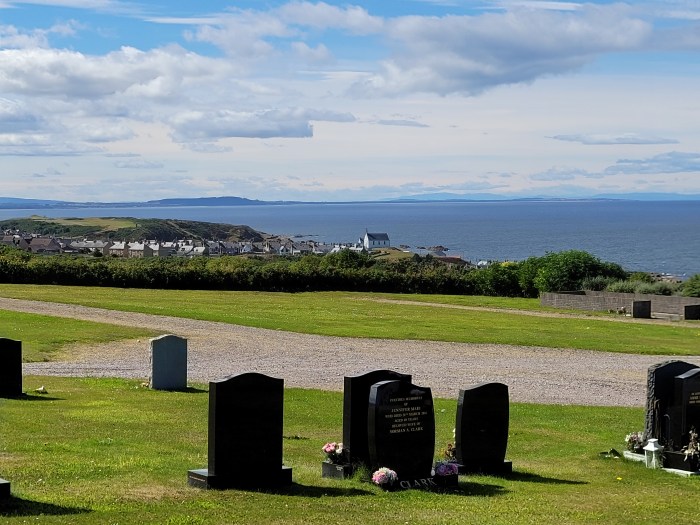
At Christmas time, there are far fewer guests, but those still on site regularly gather in the community’s church โ€“ designed by Taizรฉ member and architect Brother Denis and inaugurated in 1962 โ€“ for services featuring songs, psalms and chants in many languages, emphasising simple repeated scriptural phrases.

Founded in 1940 by Brother Roger Schรผtz, a reformed protestant, Taizรฉ is best known for its youth work and year-round programme of small group discussions and simple life of prayer, song and communal living.

However over the years the brothers have lived in small fraternities among the poor in different parts of the world from India to Brazil, Kenya and Senegal. Young pilgrims are also encouraged to spread the word when they return to their local churches โ€“ and the community has also mounted a series of international gatherings of young adults.

Picture of the Month: November 2022

OUR November picture choice takes us back to Waddesdon Manor and a moving portrait by Lesley Tilson featured in our calendar feature for that month.

IN MEMORIAM: silhouettes at Waddesdon Manor PICTURE: Lesley Tilson

But while the silhouettes formed part of the Remembrance Day commemorations, staged each year to provide an opportunity to remember those who died in battle, the figures had a particular resonance in a year which saw the death of so many famous UK faces, most notably the Queen.

Hundreds of thousands turned out to pay tribute to Queen Elizabeth II, with a 10-day mourning period during which around a quarter of a million people queued to file past the Queen’s coffin at Westminster Hall the previous month.

But the intense public mourning which marked the Queen’s death was only the most memorable outpouring of grief in a year which also saw the passing of hundreds of iconic figures from actors and musicians to politicians and pop stars.

From Robbie Coltrane, Olivia Newton-John and Angela Lansbury to Sidney Poitier, Meat Loaf, Pele and Shane Warne, the list extended to stars of the small screen like June Brown and Bill Treacher from EastEnders, Dennis Waterman, Bamber Gascoigne and Bernard Cribbins.

The political world lost Mikhail Gorbachev and Japan’s former prime minister Shinzo Abe, while the year came to a close with the death of the former pope, Benedict XVI.

Picture of the Month: October 2022

OCTOBER is the month when the woods play host to a quirky magical kingdom, a colourful world of unfamiliar shapes and hues where every rotting tree stump suddenly seems to be coated in new life.

This is the time of the year for fungus forays and foraging, when the leaf litter is suddenly awash with mushrooms and toadstools, brackets and puffballs, mosses and lichens.

FUNGUS FORAY: woods are suddenly awash with mushrooms PICTURE: Gel Murphy

Our picture choice is one of a series of startling shots taken by photographer Gel Murphy and featured in our monthly calendar feature about the Chilterns.

Of course mankind has always been fascinated by the folklore surrounding fungi, by their healing powers and deadly dangers.

But in recent years books like Merlin Sheldrake’s fascinating Entangled Life have revealed a whole new world of mycological mystery, and what makes fungi essential to life on earth.

We’ve written before of our fascination with these amazing organisms, with their spine-tingling names and beautiful shapes and colours, and we’ve even set out on a quest to find out more about how to identify the most common types.

But with literally millions of species of fungi on the Earth โ€“ as many as 10 times the estimated number of plant species โ€“ there’s plenty more to discover!

Mysterious sightings at a haunting hotspot

AT FIRST glance it looks like a very ordinary bench on a very ordinary path: but for those who love a good mystery, there’s nothing “ordinary” about Cannock Chase.

A former royal forest now managed by Forestry England, this area of outstanding natural beauty is a good two-hour drive from the Chilterns.

But although a sunny September evening is a perfect time to see the Chase at its best, this picturesque part of Staffordshire is perhaps best known for its folklore, and mysterious sightings of black dogs, big cats, werewolves, UFOs and even a British Bigfoot.

It also gained notoriety in the late 1960s for the horrifying “Babes in the Ditch” murders, when the remains of three young girls were found on the Chase after going missing from areas along the A34 road to Birmingham. (A motor engineer from Walsall died in prison after being convicted of one of the murders in 1968.)

Periodically since then, local newspaper headlines have seized on a range of mysterious sightings, from demonic ghost dogs to UFOs and a mysterious “black-eyed child”.

One man who’s been investigating the area’s ghostly goings-on for more than a decade is paranormal investigator and author Lee Brickley, who clearly believes there’s plenty of evidence to support his claims that the 26-mile-square forest is the UK’s most active supernatural hotspot.

A string of his short books detail tales of the area’s ghosts, werewolves and UFOs, drawing visits from ghost clubs, paranormal researchers and others determined to establish whether big cats and โ€˜werewolf-type creatureโ€™ really prowl around the woods.

Declassified Government documents have revealed Ministry of Defence concerns about the area being a hot-spot for reported UFO activity, with accounts of silent balls of light circling Pye Green Tower, cigar-shaped tubes flying over Burntwood, and a 10ft light hovering over the Stafford Road.

More recently, Lee embarked on a new line of inquiry, to establish whether documentaries that had enthralled him as a child about Bigfoot sightings in America had ever been matched by similar tales from the British Isles.

Predictably, almost all reports of a “British Bigfoot” come from the Cannock Chase area, and his 2021 book pulled together accounts of some of the most credible local sightings.

Back at the Iron Age hill fort at Castle Ring, looking out over Rugeley, the sunlight is fading but the chill in the air has no particular feel of foreboding about it.

This is a popular place for walkers because of the spectacular views on a clear day, along with a real sense of history: almost 2000 years ago, members of the Cornovii tribe may have looked out from this fort at the sight of Roman soldiers advancing across the land.

It’s also identified by Lee Brickley as hotspot for mysterious sightings and paranormal activity, but on the evening of our visit, there’s no indication of anything amiss.

It’s quite a view, though. And the beauty of the forest makes it worth a detour, even there aren’t any cryptids, werewolves or flying saucers around to add a frisson of excitement to the ramble.

Fungus foray reveals the secrets of survival

SOARING temperatures and flash floods marked a summer where climate change concerns were never far from peopleโ€™s minds.

BLAZE OF COLOUR: sunflowers at Chesham PICTURE: Sue Craigs Erwin

So after an unseasonally mild October, perhaps it’s a relief to finally feel the chill in the air on a starry Chilterns November night.

SEPTEMBER SKIES: birds on the wing outside Amersham PICTURE: Gel Murphy

Back in the hot, dry summer, temperatures soared to a new UK record temperature of 40.3C in Lincolnshire and much of the local countryside looked brown and parched, with hosepipe bans in place across large areas.

EARLY START: morning mist creates an inviting haze PICTURE: Gel Murphy

The joint warmest summer on record for England, and the fourth driest, it meant wildlife enthusiasts having to rise early to catch the countryside at its best before the searing heat of the midday sun.

FEELING CHIRPY: a stonechat at Widbrook Common PICTURE: Graham Parkinson

It takes patience and perseverance at the best of times to capture our native species on camera, but all the more so when they are taking refuge from such unpleasant heat.

POLLEN COUNT: hundreds of insect species pollinate plants PICTURE: Gel Murphy

What a delight, then, to savour the mellower temperatures of autumn and watch the sights, sounds and smells slowly switching to a different pace and palette.

AUTUMN HUES: trees start to lose their leaves PICTURE: Sue Craigs Erwin

Suddenly it’s crisper and colder in the mornings and darker evenings, though the woods are ablaze with colour as families look out their scarves and winter coats to make the most of the seasonal spectacle.

SILENT SWOOP: a short-eared owl in Oxfordshire PICTURE: Graham Parkinson

With Autumnwatch back on our screens and pumpkins suddenly swamping the shelves of local farm shops, a host of animals and birds are stocking up for the winter months.

SEASONAL SPECTACLE: woods are awash with colour PICTURE: Sue Craigs Erwin

And from the banks of the Thames to Ivinghoe Beacon, there’s no better time of year to venture outdoors to smell the ripening fruits and admire the beauty of the leaves as they change colour. 

SUNNY FACES: sunflowers ready for picking PICTURE: Lesley Tilson

In just a few short weeks, the landscape has been transformed: from the August fields of sunflowers ripe for the picking, we have seen the dust of the combine harvesters blowing across the land and subtle changes in the light deeper in the surrounding woods.

OUT OF THE SHADOWS: autumn brings a change of light PICTURE: Sue Craigs Erwin

In the grounds of Windsor’s Great Park the autumn rutting season may have had an extra resonance for visitors this year following the death of the Queen.

POLLEN COUNT: deer at Windsor PICTURE: Nick Bell

After so many thousands swamped the town to pay their final respects, many returning ramblers might be only too keenly aware of the monarch’s absence from her beloved castle, with the current herd all descendants of 40 hinds and two stags introduced in 1979 by the Duke of Edinburgh.

FINAL FLOURISH: ferns capture the sunlight before dying back PICTURE: Sue Craigs Erwin

And from the historic Ridgeway to the depths of Burnham Beeches, a myriad other changes are taking place in this ancient and fascinating landscape, most noticeably the sudden golden glow as nature puts on its most spectacular fireworks display of the year.

SNAZZY DRESSER: the colourful jay PICTURE: Graham Parkinson

The autumnal leaf fall is a clever form of self-protection, allowing deciduous trees to drop thin leaves that would otherwise rupture during the winter, making them useless for photosynthesis, giving the tree a fresh start in the spring while the nutrients from the decaying leaves are recycled to help grow the next generation.

RECYCLING PLANT: fallen leaves and fungi in Hodgemoor Wood PICTURE: Andrew Knight

Amid all the leaf mulch, autumn is also one of the best times to head out foraging, with woods and hedgerows filled with a feast of delights from hazelnuts and rosehips to blackberries, sweet chestnuts and crab apples.

FORMIDABLE: the woods are home to a huge variety of fungi PICTURE: Gel Murphy

The woods play host to a formidable array of mosses, lichens and fungi too, but not all of the intriguing range of shapes and colours to be found among the soaking foliage are safe to eat, as their spine-tingling names might suggest.

FRIEND OR FOE?: many fungi are poisonous PICTURE: Gel Murphy

If you can’t tell a tasty morsel from a destroying angel, funeral bell or death cap, it’s perhaps best to give those colourful mushrooms and toadstools a wide berth.

ANCIENT TABOOS: not all mushrooms are magical PICTURE: Gel Murphy

Widely regarded as magical and equally frequently mistrusted, toadstools and mushrooms are associated with ancient taboos, dung, death and decomposition.

SUPPORT NETWORK: many species rely on fungi PICTURE: Gel Murphy

But as the Woodland Trust explains, trees and many other species rely on fungi and we’re only just starting to fully understand how close this relationship is: great woodland networks that link and support life.

PLUSH PLUMAGE: a little egret PICTURE: Graham Parkinson

As Gillian Burke explained in a previous Autumnwatch series: “90 per cent of our plants are utterly reliant on fungi for survival. By breaking down dead wood, cleaning the soil and recycling nutrients by the most intimate relationship with living plants, fungi are vital to life on Earth.”

VITAL RELATIONSHIP: fungi play a vital role PICTURE: Gel Murphy

At this time of year, those forest floors and woodland glades are full of colourful and intriguing characters, from puffballs and stinkhorns to earthstars and jelly fungi โ€“ and while many of them could be poisonous for us to touch and eat, it’s fascinating just how important they may be for our survival.

As always, weโ€™d like to give a very big thank you to all the keen local photographers who have allowed us to use their work.

If you have a picture or two you would like us to feature, drop us a line by email to editor@thebeyonder.co.uk, join us in our Facebook group or contact us on Twitter @TheBeyonderUK.

Duke looks out over his domain

AS VIEWS go, few outlooks are quite as spectacular as that enjoyed by the late Duke of Sutherland from his lofty perch among the trees at Cliveden.

From here, the 2nd Duke can stare perpetually out over the elegant house he and his wife had built here after their newly purchased home burned down in 1849.

The man in charge of the project was Charles Barry, the architect responsible for the Houses of Parliament, who had rebuilt the Dukeโ€™s other homes at Trentham Hall in Staffordshire and Dunrobin Castle in Scotland.

Harriet, Duchess of Sutherland, wanted a retreat from London that was close to her friend Queen Victoria at Windsor, and by 1852 the three-storey Italianate villa was complete and able to host a ball for 200 people.

โ€œJust, compassionate and goodโ€ is how the Duke was remembered by his son in the inscription on the rear of the larger-than-life Grade II listed marble statue that stares out across the Cliveden estate, with an equally impressive panorama over the Thames on the other side.

The Duke died in 1861 and the statue was erected at Cliveden at Christmas 1866, but it wasnโ€™t always in this location, being moved from the Grand Avenue in 1896 to make way for Lord Astorโ€™s new acquisition, the Fountain of Love.

But the Dukeโ€™s commanding position is an apt choice, offering such an unequalled view of the house which has witnessed so much history.

If only trees could talk, what a tale they could tell โ€“ of parties and politics, scandal and intrigue.

The estate has been here from more than three centuries, successive owners sparing no expense in their efforts to create a magnificent summer retreat.

Within 20 years of buying Cliveden in 1849, both the Duke and Duchess had died. They were not to know just how famous their house would become for its lavish hospitality and glamorous guests when Nancy and Waldorf Astor lived here during the first half of the 20th century.

Nor could they have foreseen how a chance meeting at the newly installed swimming pool in the 1960s would ignite one of the biggest scandals in British political history when John Profumo, Secretary of State for War, met model and showgirl Christine Keeler there.

The โ€œsex and spyingโ€ scandal marked the end of Profumoโ€™s career and nearly brought down the government.

Nonetheless, the estate survived the Profumo scandal and the Sutherland legacy lives on โ€“ not just in their beautiful mansion, but through no fewer than 11 children, whose descendants read like a whoโ€™s who of the British aristocracy.

Can we learn to live in harmony with nature?

LAND HEALER is a direct, real and honest book about the relationship between humans and the countryside.

In his role as director of conservation at Holkham Hall, author Jake Fiennes is working hands-on to heal the landscape through habitat restoration. His new book explores how we can collaborate with nature, ensuring food security for ourselves while providing ideal habitats for the many species with whom we share the countryside.

The book begins with โ€˜Hedge Pornโ€™ โ€“ perhaps not a phrase youโ€™d ever expect to see, however the reasoning behind this becomes clear as you delve through the pages.

TANGLED FOLIAGE: wild hedgerows line a little-used country lane

Jake takes the reader on an explorative journey through the British hedgerows. Using superb description, he conjures images of tangled foliage intertwining, decorated with juicy berries, with insects dancing and birds dining on the delights.

The reader is immediately introduced to the opposing ideas of hedgerow management: the standard short trim we are so used to and the more natural look which encourages life to feast, nest and thrive within the thick embrace of the hedge.

It surprised me to learn that there are about half a million miles of hedgerows in England alone, responsible for 5% of carbon sequestration on English farms.

RICH PICKINGS: birds and insects feast in our hedgerows PICTURE: Graham Parkinson

Jake tells the reader that when he arrived at Holkham, the hedges were routinely cut to the familiar 6ft height, but within two years of being set free from this tradition were teeming with pollinator species and nesting birds, as well as providing a useful shelter for livestock.

The evidence in favour of hedgerows speaks for itself and opened my eyes to a whole world which exists within them.

I donโ€™t want to say too much about the content of the book: I want you to read it for yourself and experience the real-time change in thought that I experienced. Instead I want to focus on the message of the book and on the author himself.

PLACE OF SHELTER: livestock can escape harsher weather conditions

We learn a lot about Jakeโ€™s childhood and his story of how he came to be so passionate about the natural world. With over 30 years experience working on the land, he has seen first hand the changes we have caused in our environment.

As conservationists and nature writers, myself included, we are used to gushing statements of love for the world around us. We tend to speak so poetically of nature, describing our feelings for it and how we intend to change the world.

This is the approach I naturally lean towards but Jake seems to have a different approach which took me aback slightly โ€“ and when I first encountered him at the Global Bird Fair, I wasnโ€™t sure what to make of it.

SPRING BLOSSOM: Fiennes has no-nonsense solutions to restoring habitat

However since reading this book and having conversations with him, I have absolute respect for his no-nonsense approach to restoring the natural world.

Jake doesnโ€™t talk about changing the world with grand gestures or declarations of love, instead he speaks of small changes or โ€˜tweaksโ€™ that can be integrated with existing farming and countryside management methods in order to create positive change.

Throughout his life, he has spent time exploring and being part of nature and through that he has gained extensive knowledge of, and a deep-rooted passion for, biodiversity.

BACK TO NATURE: living in harmony with the landscape PICTURE: Sue Craigs Erwin

Land Healer is not a book about โ€˜rewildingโ€™; it is arguably impossible to rewild a landscape which is and shall continue to be so heavily farmed for our own food production. Realistically, with an ever-growing population, this isnโ€™t going to change.

It is instead a manual on how we can work together to restore the landscape for dwindling species and create a countryside that benefits both humans and the other species which we are so lucky to live alongside. It is a book about empowering those who work the land and creating a society which lives in harmony with the incredible biodiversity surrounding us.

I didnโ€™t expect it to, but this book changed my entire outlook on UK conservation and made me realise I had before been fairly ignorant to the vital work being carried out on my own doorstep.

FOOD SECURITY: no-nonsense ideas for future farming

For example, it changed the way I look at hedgerows and made me look out for things like mono-cropped fields when out driving around the Norfolk countryside.

Land Healer is one of those books that you find yourself reading the same page a few times to soak up all the information which is perfectly woven in among Jakeโ€™s experience, imagery and sheer determination to do something.

I highly recommend Land Healer if, like me, you want to further open your eyes to the world around us while reading a refreshing and honest account from inside the mind of someone who muddies his boots and has an up-close, personal relationship with each and every species within his landscape. In Jakeโ€™s words: โ€œWe can fix it.โ€

Charlie Bingham is a conservation engager, writer and podcast host based on the North Norfolk coast.

Picture of the month: August 2022

OUR August picture choice is an atmospheric shot of rusting locomotives and wagons taken outside Clearwell Caves in the Forest of Dean.

One of a series of shots chronicling our summer break in Gloucestershire, it harked back to the industrial heyday of the forest, when an intricate network of railways and tramways were used to harvest the heavy minerals that gave the area its wealth.

Stone, coal, iron ore and even gold were extracted from the earth in huge quantities but by the 20th century deeper mining was abandoned as reserves of ore and coal became uneconomic to work.

The picture was only one of more than two dozen focusing on different aspects of life in the forest, but we have a particular fascination with abandoned places and equipment it seems, especially if it has anything to do with railways.

Hence how a casual post in a Facebook forum for fans of “abandoned rails” generated more than 600 likes and 18 shares.

Twitter feeds focusing on urban exploring and abandoned places tend to have anything from 110,000 to 150,000 followers, and perhaps it’s not so surprising that we get a creepy thrill from finding out what happens when nature takes over derelict buildings and forgotten railway lines.

From lost civilisations like Easter Island or Macchu Picchu to cities looted, flooded or burned to the ground, our fascination with romantic ruins is nothing new: and from deserted asylums to abandoned funfairs, urban explorers have reinvigorated our interest in lost and forgotten places.

Railway enthusiasts have always enjoyed the allure of a deserted trackbed or forgotten viaduct, relishing the rediscovered history associated with such journeys back in time, along with the reinvention of a rail route as a footpath or cycleway.

Such small-scale examples of abandonment may reflect changing transport or technological habits rather than a cataclysmic event like an earthquake, volcanic eruption or nuclear blast. But all such landscapes hold a fascination for us, whether it is a village lost beneath a reservoir, a closed underground station or an abandoned hospital.

As a society we are grimly fascinated by death and decay, but we also find a rare beauty in historical ruins โ€“ and possibly our recent experience of the Covid-19 pandemic changing people’s lifestyles and behaviour overnight gave us a rare insight into the just how quickly a place can fall into disuse and disrepair.

Cities like Chernobyl and Detroit hold a particular fascination because of the scale of the devastation they have suffered but there’s been a boom in the popularity of abandoned places as unlikely tourist destinations, from deserted gold rush towns to closed schools, theatres and hospitals.

Whether it’s a town in the desert flooded with sand (Namibia), an underwater city (China), a town destroyed by a tornado (Montserrat) or a deserted factory in the Amazon, there are plenty of articles and videos about grim destinations and “dark tourism”.

Nor do you have to travel far to find a scary Victorian mansion in the woods or an abandoned Tube carriage stranded in the countryside, as local vlogger Henry Allum reveals on his Youtube channel.

From empty houses in the woods to wartime pill boxes, closed stations or moss-covered remnants of deserted crofts, closed churches or ruined abbeys, the sight of trees growing through concrete, deserted mine shafts reclaimed by nesting birds and ghost towns in the middle of the jungle remind us about the perseverance of nature โ€“ and while some such sites are creepy, scarily and downright disturbing, others have an eerie and moving beauty that’s impossible to ignore.

Picture of the month: July 2022

OUR July picture choice is a spectacular shot of a deer among poppies captured by regular Beyonder contributor Lesley Tilson.

COLOUR CONTRASTS: a deer among poppies PICTURE: Lesley Tilson

Lesley’s “lucky” shot was one of a series of photographs taken between February and June which featured in our Spring 2022 calendar roundup.

Normally a month-by-month pictorial round-up of the local landscape through the changing seasons, this year’s selections were delayed by events in Ukraine.

Picture of the month: June 2022

HOT on the heels of Oxfordshire’s Artweeks comes the chance to see hundreds more artists at work during June’s Bucks Art Weeks event.

Once more local artists, makers and designers across the county up throw their studios open to guests and get ready to discuss what inspires their work.

WOODCUT WITH WATERCOLOUR: Bee friendly garden by Helen Taylor

And the lockdowns of recent years have meant much of the work can be viewed all year round in galleries on the organisers’ website.

This month’s featured artist is Helen Taylor, primarily a printmaker working in woodcut and etching who likes to explore and amplify the natural world of trees, plants and flowers.

Showing the incredible variety of colour and shape, the sheer diversity of what can grow in our own back gardens and local places, Helen’s work is inspired by well known botanical and architectural โ€˜meetingโ€™ places such as Kew  and Oxford Botanic Gardens, familiar to many, but also hidden places in her local area.

See the main Bucks Artweeks website for more details and galleries.

The Beyonder features short profiles of a score of artists who draw their inspiration from the Chilterns countryside. Find out more here.

Picture of the month: May 2022

OUR picture choice this month comes from the Oxfordshire workshop of Jayne Ford and marks the 40th anniversary year of the country’s oldest and biggest open studios event.

May is the month when visitors flock to see the work of hundreds of artists, makers and designers in studios, pop-up galleries, glorious gardens and ancient churches across the county.

LOCAL LANDMARK: Wittenham Clumps by Jayne Ford

Like many of the creatives showing their work this year, Jayne frequently finds herself inspired by local landscapes, although being born and raised in North Wales surrounded by hills and valleys and living close to the sea, these influences all permeate her work too.

“My studio is a log cabin based in my garden,” says Jayne. “It is a serene and peaceful place to work surrounded by trees and flowering plants.”

More of her work is featured on her instagram account, while the Oxfordshire Artweeks website features a glorious year-round online celebration of the work of local creatives.

Watch out for Christmas events too, with details normally announced in October. Plans are already underway for next year’s events, which take place from May 6-29 2023, starting in South Oxfordshire (May 6-14) before moving on to North & West Oxfordshire (May 13-21) and Oxford city (May 20-29).

See the main artweeks website for more details, showcases and access to a newsletter.

The Beyonder features short profiles of a score of artists who draw their inspiration from the Chilterns countryside. Find out more here.

Picture of the month: April 2022

OUR picture choice this month takes us back to the seaside, and a celebration of Britain’s glorious coastline.

PICTURESQUE: the beach and harbour at Cullen on the Moray Coast

It’s a theme we picked up at the start of the year, but in landlocked Buckinghamshire that yearning for sea air is a regular distraction, and we’ve been fortunate enough this year to enjoy a wonderful cross-section of the country’s coastal scenery.

And from the pictured harbour at Cullen in the north-east of Scotland to the wilds of north Norfolk and the fossils of Dorset’s famous Jurassic Coast, we’ve been on a mini-quest to find some of the most family friendly beaches in the county.

Coast to coast: the best of Britain’s beaches

IT’S damp, drab drizzly day in Norfolk, just enough to deter all but the hardiest souls from the beach.

But in many ways the windswept stretch of the North Norfolk coastline near Blakeney is the perfect escape, whatever the weather.

WINDSWEPT: Cley Beach in Norfolk

This is Cley Beach on the coastal path, a lonely place on a wet day in April but part of an important nature reserve at Cley Marshes, created in 1926 when Norfolk birdwatcher Dr Sydney Long bought the land and established the Norfolk Wildlife Trust.

Birdwatching is important to the tourist industry in this part of the world, with the 430-acre site nowadays of international importance for its breeding and wintering birds.

COASTAL PATH: boats drawn up on the shingle at Cley

We are around three hours away from our Buckinghamshire home, but this is a world away from the landlocked Chilterns โ€“ and as we discussed earlier in the year, that yearning for a breath of sea air is a regular recurrence.

Luckily this year we have been fortunate enough to indulge with a series of seaside expeditions, and this is one of our first such adventures.

With some 1,500 beaches scattered around Britain’s coastline, we have a wonderful cross-section of coastal scenery to choose from, from smugglers’ coves and shingle spits to sweeping sands and inviting rockpools.

FAMILY FUN: beach huts at Frinton-on-Sea

Further round the coast and Essex boasts an extraordinary range of seaside towns and coastal villages, some of them among the most deprived neighbourhoods in England.

But for old-fashioned family fun, the beach huts at resorts like Frinton and Holland-on-Sea take a lot of beating, while the bigger and busier resorts like Clacton and Southend have been perennially popular with generations of Londoners.

WATERFRONT SNACK: the Beach Haven cafe at Holland-on-Sea

There’s a similarly innocent feel to Avon Beach at Christchurch, one of the closest to the Chilterns and a family-friendly place of beach huts and rockpooling, with the handily located Noisy Lobster providing a range of restaurant and takeaway treats for those who find that the sea air soon stimulates the tastebuds.

FRIENDLY FEEL: the seafront at Avon Beach

Just along the coast at Mudeford Quay, the entrance to Christchurch Harbour is a popular stopping-off point, with great views out to sea and towards Christchurch town.

MUSICAL MOMENT: watching the boats at Mudeford Quay

The quay is the perfect place to watch boats coming in and out of the harbour, as well as proving a popular spot for families crabbing from the quayside.

A busy year-round sailing and windsurfing destination, there’s also a ferry dropping cyclists and walkers over to Mudeford Sandbank, which boasts some of the most expensive beach huts in the country.

EXCLUSIVE ESCAPE: Mudeford Sandbank

From here, the 95-mile long Jurassic Coast beckons, from Swanage to Lulworth and Weymouth, then on round to Lyme Regis, Charmouth, Seaton and Beer.

The world-famous geology draws the crowds here, fascinating by the rocks, fossils and intriguing landforms that make it Britain’s only natural World Heritage Site.

FAMOUS LANDMARK: visitors gather at Durdle Door

Durdle Door on the Lulworth Estate is one of Dorsetโ€™s most photographed beauty spots, a magnificent natural limestone arch formed by waves eroding the rock, but also one of the busiest attractions for miles around.

Hardier souls can escape the crowds by tackling a stretch of the South West Coast Path, England’s longest waymarked long-distance footpath and national trail, stretching for over 630 miles from Poole Harbour round to Minehead in Somerset and immortalised in print by Raynor Winn.

CLIFFTOP ESCAPE: the South West Coast Path

Even here, on a section of coast where the car parks are full of day trippers, it doesn’t take long to shake off the other tourists and find yourself alone with your thoughts.

Round the other side of Weymouth, Chesil Beach is an 18-mile long shingle barrier beach stretching from West Bay to Portland, and another of Dorsetโ€™s most iconic landmarks.

NATURAL BARRIER: Chesil Beach in Dorset

Unlike the golden sands of Bournemouth or Weymouth, this is a wild, rugged, elemental landscape where the surf crashes relentlessly onto the ridge.

It stretches off for miles towards the horizon, the pebbles graded in size from potato to pea depending on their precise location, allegedly once allowing smugglers landing on the beach at night to judge their position along the coast simply by picking up a handful of shingle.

FOSSIL HUNT: Charmouth beach is world renowned

Next stop Charmouth, a seaside village with a beach renowned across the world for its fossils.

Families fascinated in the life of dinosaurs can immerse themselves in the past at the Charmouth Heritage Centre and even sign up a guided fossil hunting session on the beach, where pyrite ammonite and belemnite fossils can often be found loose among the pebbles.

PERIOD DRAMA: Kate Winslet in Ammonite

This is also the place to find out more about the extraordinary life of English fossil collector, dealer and paleontologist Mary Anning.

Born in 1799, the discoveries she made in the Jurassic marine fossil beds along this coast changed scientific thinking about prehistoric life โ€“ though Francis Lee’s 2020 romantic drama Ammonite seems more concerned in speculating about her sex life than in her scientific reputation.

ROOM WITH A VIEW: the Rock Point Inn at Lyme Regis

In nearby Lyme Regis, her home and first fossil shop is now a museum, while a local fossil shop was used as her home in the film.

Head west from here and we’re into Devon and a whole new world of seaside delights, from the picturesque foreshore at Branscombe to the cheerful seafront snackbars of Beer.

TIME FOR TEA: the beach at Beer

Devon attractions range from the heritage trams of Seaton to the sweeping beaches of Exmouth or picturesque quayside at Exeter: but then these delights were more fully explored in our rundown on some of the most intriguing secret hideaways of South Devon.

Highlights included the town trails in Topsham, an intriguing 16-sided house near Exmouth and a step back in time on the South Devon Railway.

SIMPLE PLEASURES: on the beach at Beer

But if there’s one place where the location can justifiably be called spectacular, it’s the extraordinary Burgh Island: an iconic art deco landmark on its own tidal island, surrounded by golden beaches and restored to its 1930s glamour.

One of our favourite visits of the year, the historic adjoining Pilchard Inn is similarly only accessible via a sandy causeway from Bigbury-on-Sea that disappears under the waves at high tide and provides a gloriously laid-back outlook over the surrounding beaches.

GLORIOUS OUTLOOK: the Pilchard Inn on Burgh Island

From here, our final summertime seaside foray of the year takes us to the opposite end of the country and the equally spectacular coastline between Aberdeen and Inverness.

The Moray Coast is a childhood stamping ground where the timeless solidity of the prettily painted fishing villages have a special appeal.

MORAY FIRTH: fishermen’s cottages in Findochty

The sun may not always be shining on the north-east coast, but when it does, there’s no prettier place in the country, even if trains no longer run along the clifftop towards the glorious beaches at Cullen, where the viaduct still provides an imposing backdrop to photographs from the harbour.

But the attractions of the Moray Firth are captured in another article exploring some of Scotland’s most glorious countryside.

IMPOSING BACKDROP: the old railway viaduct at Cullen

Back home in Buckinghamshire, we haven’t exhausted our love of the seaside, but we’ve seen some glorious scenery and met some wonderful people along the way.

The Chilterns is not quite the furthest place in the country from the coast: that honour goes to a small farm in Derbyshire, according to Ordnance Survey, although Lichfield in Staffordshire also boasts a plaque laying claim to being England’s furthest point from the sea โ€“ a distance of 84 miles.

CALL OF THE COAST: a seagull in Dorset

But with the waves of the English Channel less than a couple of hours’ away it hopefully won’t be too long before we get the chance to hear the sound of the surf and cry of the gulls again.

Season of renewal overshadowed by war

FEBRUARY. It might be one of the coldest, bleakest months of the year, but itโ€™s also the shortest โ€“ and a time when families out on muddy wintry walks are eagerly on the lookout for the first signs of spring.

Not this year. This year, come February 24 and everyoneโ€™s eyes are on the other side of Europe and the shock Russian invasion of Ukraine.

LILAC WINE: a February sky outside Amersham PICTURE: Sue Craigs Erwin

Suddenly it seems a little trite to be chatting blithely about the Chilterns countryside awakening after winter. Instead, we are all glued to the television and the unthinkable images of war engulfing Europe.

As days turn into weeks and weeks turn into months, whole streets and towns are turned into rubble, sparking the biggest refugee crisis since World War II.

PALE HUES: dramatic colours over Coombe Hill PICTURE: Lesley Tilson

The devastation is already reminiscent of the streets of Syria and Iraq, and with families streaming over the border to Poland and other neighbouring countries, the fear is palpable and the threat is real.

How ironic then, that in the same week that war broke out we are visiting the Polish resettlement camp at Northwick Park in Gloucestershire and recalling how a previous Russian invasion more than 80 years ago changed the course of world history.

WARTIME ECHOES: Northwick Park camp PICTURE: Olivia Rzadkiewicz

Itโ€™s one of many reminders around the UK of those terrible events from the spring of 1940, made all the more painful by history being repeated so many years later.

Marysia, the wonderful woman we are visiting with, lived briefly in this camp when she first came to England as a teenager after the war โ€“ like so many others after a long and arduous journey via Russia, Persia and Africa.

LIVES IN TRANSIT: the monument at Northwick Park PICTURE: Olivia Rzadkiewicz

She was seven when the Russian soldiers arrived and her family was deported from their forest home to the icy wastes of Siberia.

After the war, Northwick Park was a brief stopping-off point before she was moved on to Herefordshire, but with many of the Nissen huts used to house families then still in use today for local businesses, in many ways the place looks very like it did more than 70 years ago, bringing memories flooding back.

FOREST CAMP: Polish families lived in Hodgemoor Woods until 1962 PICTURE: Andrew Knight

Many of the Polish families relocated to the UK lived in camps like this for years โ€“ including those in Hodgemoor Woods beside Chalfont St Giles, where the camp remained open until 1962.

Indeed by October 1946, around 120,000 Polish troops were quartered in more than 200 such camps across the UK.

All of which is an all-too-vivid reminder that the events being played out in the towns and cities of Ukraine today will have an impact on peopleโ€™s lives for decades to come.

SHEPHERD’S DELIGHT?: a Chesham sunset PICTURE: Lesley Tilson

As the pale skies and dramatic sunsets of February give way to the brighter weather of March, we stumble across a young woman looking a little lost in local woods at sunset.

She has no dog and seems a little disorientated as dusk falls, but when we ask if she is OK she assures us that she is. She’s from Ukraine and adjusting to a new life in the Chilterns, insisting that she is fine.

FLYING HIGH: on the wing outside Amersham PICTURE: Sue Craigs Erwin

But as she wanders back to the village, we’re left wondering just how many families will be torn apart by the current conflict โ€“ and how many decades it will be before the shockwaves stop reverberating across Europe.

Here, the dawn chorus is beginning to pick up volume as the branches begin to look a little less bare and the first flowers poke through the frost: snowdrops and primroses, later to be followed by the daffodils and bluebells.

SPRING DANCE: daffodils brighten the hedgerows PICTURE: Sue Craigs Erwin

Once more photographers across the Chilterns are up with the lark, capturing the sights and sounds of the changing months as hungry badgers and foxes get braver in their hunt for an easy snack and insects and reptiles emerge from their slumbers.

There may still be a chill in the morning air, but the morning dog walk is no longer a battle against the elements.

THE EYES HAVE IT: a hare pauses for the camera PICTURE: Graham Parkinson

Beyonder stalwarts Nick Bell and Graham Parkinson are on the hunt for less usual sights, tiptoeing through the undergrowth on the trail of an elusive hare, fox cub or cautious deer.

Regular contributors Sue Craigs Erwin and Lesley Tilson also have their eyes peeled for those spectacular sunsets or rare moments when a bird or insect stays long enough on a twig for the perfect shot.

FIRST FLUTTER: a peacock butterfly PICTURE: Sue Craigs Erwin

Deep in the forest, there’s new growth everywhere, with fluffy lichen and moss coating tree barks and warmer weather tempting walkers back out onto footpaths no longer submerged in a sea of mud.

As the weather warms, there’s more time to study the colourful plumage of regular garden visitors, enjoy the first butterflies or spot a muntjac foraging in the woods or a fox returning proudly to its den with breakfast for the family.

EVENING LIGHT: a grazing muntjac PICTURE: Graham Parkinson

We are so lucky to live here: only an hour from central London, yet a haven for wildlife, with a network of thousands of miles of footpaths stretching across the 320 square miles designated as an Area of Outstanding Natural Beauty.

Suddenly, after long grey days of eager anticipation, the natural world seems alive with activity with something new to spot every day, the green shoots and bursting buds a welcome reminder that spring has once again returned with a vengeance.

WARMER DAYS: Chess Valley reflections PICTURE: Andrew Knight

From historic market towns to sleepy hamlets, this is a landscape dotted with quintessentially English coaching inns, ancient churches and picturesque chalk streams.

It many no longer boast charcoal burners or โ€œbodgersโ€ in the woods, or an abundance of watercress farms and cherry orchards, but it’s still a world of muddy boots and excited dogs, log fires and historic pubs.

ANCIENT LANDSCAPE: St Nicholas’ church at Hedsor PICTURE: Andrew Knight

In the spring, the air is thick with birdsong in morning and early evening, robins, blackbirds and wrens shouting about territory while the local wood pigeons strut and coo.

Thereโ€™s frogspawn aplenty in local ponds and nest-building is under way in earnest, though it’s still hard to fully concentrate on all the intimate daily changes in quite the same way it was before the war started to dominate the news agenda.

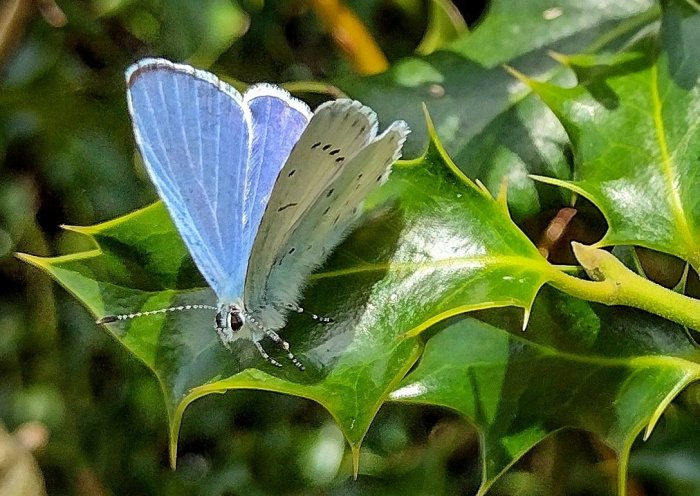
FURRY FRIEND: a holly blue butterfly PICTURE: Sue Craigs Erwin

After the anxieties and distractions of lockdown we are once again free to explore the local landscape fully, yet it feels almost insensitive to be savouring that freedom against the backdrop of the apocalyptic pictures and real-world horror stories emerging from Ukraine.

Pandemic, climate change, war โ€“ no wonder our teenagers are worried about the world and find it hard to concentrate in class.

NESTING TIME: a long-tailed tit PICTURE: Graham Parkinson

But then just as lockdown gave us time to re-examine our relationship with the natural world, we know too just what an important role nature can play is maintaining or re-establishing our mental health.

Yes, we must do what we can to provide practical help to those fleeing the war, but it’s no bad thing for us to be immersing ourselves in nature again too.

SUMMER STORM: an ominous sky PICTURE: Sue Craigs Erwin

It’s easy to get depressed by the pointlessness, chaos and destruction of war, but perhaps it’s even more important that we celebrate beauty at such a time and remind ourselves of the importance of those small daily delights that still matter so much.

Whether it’s the sounds of woodland creatures stirring in the early morning sunshine, country lanes awash with spring colour, the screech of an owl as dusk falls, the spring lambs gambolling in the fields or a family of little ducklings learning to swim, the Chilterns landscape has the power to soothe our fears and revitalise us to face new challenges.

RUNNING FOR COVER: red-legged partridges PICTURE: Nick Bell

Our timeless landscape has witnessed its fair share of bloodshed and conflict across the centuries, but the froth of hawthorn blossom in the hedgerows, dancing bluebells in the woods, and nodding poppies in the cornfields remind us that life must go on, and sustain us at times when our spirits are low.

When the news feels overwhelming, there could be no better way of keeping a grip on reality, clearing away the cobwebs and banishing our own fears and anxiety among the bluebell woods and country paths of the Chilterns.

FIELD OF DREAMS: a deer among the poppies PICTURE: Lesley Tilson

As Melissa Harrison says in her nature diary The Stubborn Light of Things: โ€œItโ€™s the oldest story: the earth coming back to life after its long winter sleep. Yet spring always feels like a miracle when at last it arrives.โ€

As always, weโ€™d like to give a very big thank you to all the keen local photographers who have allowed us to use their work. If you would like to contribute any pictures, favourite moments or seasonal suggestions, contact editor@thebeyonder.co.uk on email or via our Facebook group page.

Dig deep to discover secrets of the forest

CHRIS Packham would approve. Weโ€™re up before dawn on the trail of wild boar and an hour or so later we are actually having breakfast in a โ€œVerderers Courtโ€.

Not that we are in the TV presenterโ€™s beloved New Forest, but a hundred miles north in the Forest of Dean, another of the three ancient royal hunting grounds (Epping is the third) where forest law is still enforced, as it has been since Norman times, by judicial officers called verderers.

COURTROOM SETTING: breakfast at the Speech House Hotel

At one time a third of the land area of southern England was designated as royal forest, and the verderersโ€™ role was to protect venison and the โ€œvertโ€ โ€“ the ‘noble’ animals of the chase like deer and wild boar, along with the greenery that sustains them.

At various times across the centuries, they might be policing poaching and illegal felling while overseeing the rights of locals to take firewood, pasture swine, harvest produce and cut turf.

HEART OF THE FOREST: the Speech House Hotel

Staying at the Speech House Hotel immediately establishes a sense of connection with the past, because this 17th-century hunting lodge, erected for King Charles II in 1676, lies pretty much at the heart of the forest and is surrounded by โ€œvertโ€.

Aside from hosting breakfast in the courtroom, which is still in use, the family-run hotel bristles with reminders of the past, from the antlers on the walls to the Royal coat of arms in the orangerie โ€“ and even the two royal spades used by the Queen and HRH Prince Philip in 1957 to plant two oak trees across the road from the courtroom.

REGAL REMINDER: the Royal coat of arms in the hotel orangerie

The Gloucestershire Way passes a stone’s throw from the front door and provides the starting point for our leisurely morning amble. And just in case the fauna don’t oblige us with an appearance, there is also an intriguing sculpture trail here, forged over the past three decades through a partnership between the Forest of Dean Sculpture Trust and Forestry England.

Inspired by their specific settings and comissioned from artists at crucial stages in their careers, these huge works reflect the historical tensions in the forest, between industrial and sylvan, man-made and natural, utopian and dystopian, settlement and wilderness.

WOODLAND WINDOW: Cathedral by Kevin Atherton

One of the closest to Speech House is Cathedral by Kevin Atherton, a huge stained-glass window sited at the end of a tree-lined aisle incorporating imagery collated from drawings and photographs which the artist did around the forest.

After seeing the work in the fading light of dusk, it’s a delight to catch it in the early morning sunlight, even if the wild boar babies are choosing not to grace us with their presence.

LOST SPECIES: boar in Britain were hunted to extinction PICTURE: Duลกan veverkolog, Unsplash

Boar were once common in the forest and were hunted for food, supplying feasts for the king’s table in medieval times. Given that there’s a record of an order for 100 boars and sows for a Christmas feast in 1254, it’s perhaps unsurprising that they are thought to have become extinct in Britain before the end of the 13th century.

But feral wild boar have become a familiar sight in the forest in the past two decades, and our dusk wander the previous night proved the point. With the light fading, it was clear most of the rustling in the leaf litter came from hungry blackbirds and hopping frogs. Bats were out in a clearing and we paused on a bench to make the most of the last rays.

HUMBUGS: piglets in Hungary PICTURE: Gabor Vereb, Unsplash

By the time we were close to the hotel, it was almost pitch-dark on the path. But then, finally, there was the sound of a snort, a snuffle and we paused, frozen. Inching forward, we could make out the shadows of four or five young piglets rooting about in the ferns that line the path.

True, it was only a brief encounter before the family rustle off into the undergrowth, and unfortunately too dark to see the distinctive stripes that lead the locals to affectionately refer to the young boar as “humbugs”.

IN TOUCH WITH THE PAST: external detail at the Speech House

But it was nonetheless a magical moment and just one of many reminders of the rich and varied history of this remarkable forest.

For a better picture of the changes in this landscape across the centuries and the lives of the foresters, miners and iron workers who populated it, head over to Soudley and the Dean Heritage Centre at Camp Mill.

FOREST STORIES; the Dean Heritage Centre

Looking at the serene surroundings of the centre today, it’s hard to believe the former corn mill and factory was a scrapyard for 20 years before being rescued by the museum trust as a base where the stories of the forest’s social and industrial history could be properly explained.

Forty years on and the museum now houses over 20,000 precious objects and documents relating to the heritage of the Forest of Dean, from prehistoric times to a special exhibition about the life and work of locally born TV dramatist and screenwriter Dennis Potter.

STEP BACK IN TIME: inside a forester’s cottage

There’s plenty for the kids to do too, from nosing round a forester’s home from Victorian times to exploring a Gruffalo Trail, trying on a range of hats and helmets, finding out about the wildlife of the forest or discovering what the life of a freeminer would have been like.

The forester’s cottage was moved stone by stone from its original location and is furnished and decorated in authentic Victorian and Edwardian period style. A typical two-up, two-down property, it features a collection of period china, a kitchen with an authentic cast-iron range, upstairs bedrooms and an outdoors wash-house, cottage garden and pigsty.

FROZEN IN TIME: the cottage was rebuilt stone by stone

As well as chickens to provide eggs and ferrets for catching rabbits, foresters would traditionally keep Gloucestershire Old Spot pigs for their meat, allowing them to graze under the trees on fallen apples or releasing them into the forest to feed on acorns during the late summer, a right dating from medieval times known as pannage.

The youngsters can sit in a period school room too, and regular history workshops help children discover what life would have been like for foresters at different times through history.

BACK TO SCHOOL: a Victorian classroom

For first-time visitors, perhaps one of the most extraordinary aspects of the forest story is the impact of industrialisation on the lives of those living here.

From charcoal burners to freeminers, the forest long provided a range of different trades. But the age of steam and the explosion of local foundries, collieries and railways transformed the area and left it with an extraordinary industrial heritage.

DIRTY WORK: a freemine dug into the hillside

For centuries, individual miners were granted rights to dig for coal and iron in the forest, and archaeological evidence shows that working for ochre pigments began over 4,500 years ago, with iron and coal working extensive by Roman times.

But to appreciate the full scale of the later mining revolution, take a short trip to Clearwell Caves and discover a vast underground world of the caverns and mines which spread for hundreds of acres under the forest.

UNDERGROUND WORLD: inside Clearwell Caves

Large-scale mining operations here stopped in 1945 but telling the story of the caves to visitors became a labour of love for caver, freeminer and verderer Ray Wright from the 1960s until his death in 2015.

Today, his son Jonathan continues the family tradition, still producing ochre pigments for sale as well as managing access to the six interconnected iron mines which plunge up to 600ft into the earth.

HISTORY LESSON: old mining equipment

Day-trippers savour a 45-minute circular tour of nine caverns to get a flavour of the place, while those inspired to continue the adventure can opt for a more ambitious caving experience allowing you to crawl, slither and clamber into places visitors don’t normally experience.

There are even deep-level guided tours for those prepared to gear up with helmets and lamps, get a little dirty and head off with a guide to discover areas last seen by miners centuries ago.

CAVE ART: the 2022 sculpture trail at Clearwell

Back up on the main visitor circuit there’s been an intriguing sculpture trail running this summer giving guests a chance to enjoy contemporary works of art in the atmospheric setting of the cool underground chambers.

Curated by Gallery Pangolin, the display featured more than 50 works by a range of international artists, taking modern art back to its spiritual home underground and creating an almost prehistoric atmosphere with unexpected discoveries around every corner.

PREHISTORIC FEEL: atmospheric lighting adds to the impact

From street art with paleolithic echoes to works which feel as if they have been part of this setting for centuries, choosing and locating specific pieces for the exhibition produced its own challenges and rewards for all involved.

But as Rungwe Kingdon from Gallery Pangolin explains, the extraordinary exhbition also honours the “sheer graft” of the people who went underground to dig out the original metal and stone used to forge the pieces.

STONE AGE: each cavern and crevice provides a unique setting

Outside the caves, there’s an almost sculptural quality to the rusting mining locomotives which once worked the narrow-gauge lines here.

As in similar mines across the forest, railways and tramways were used to harvest the heavy minerals that gave the area its wealth. Stone, coal, iron ore and even gold were extracted from the earth in huge quantities.

RUSTING RELIC: an old mining locomotive at Clearwell

Mining and ironmaking industries were at their peak in the 19th century when they spawned an intricate network of tramroads and railways serving the foundries and collieries scattered across the forest.

By the 20th century deeper mining was abandoned as reserves of ore and coal became uneconomic to work, but across the area traces of the old lines and mines are not hard to spot.

END OF THE LINE: engines and wagons at Clearwell

Of course it wasn’t just getting materials out of the ground that proved a challenge, but exporting those materials around the world.

Proximity to the longest navigable river in England made that a practicality, and the Severn Estuary was known as one of the UK’s principal sea links to the rest of the world and had been since Roman times.

GATEWAY TO THE WORLD: Lydney Harbour

Nonetheless, with its massive tidal range the river posed its own challenges, as a visit to the historic docks at Lydney Harbour illustrates.

A recognised port since the reign of Henry II, the harbour was originally situated inland, served by both the Severn and the Lyd, and had a thriving shipbuilding industry in the 17th century.

But that was before massive silt deposits left the town landlocked, with the dramatic walls of the currently harbour being completed in 1821.

TIME AND TIDE: lock gates open into the tidal basin

Looking at the tranquil upper basin today it’s hard to imagine the sprawling docks in their heyday, but by the 1960s the closure of the local pits saw the demise of its coal trade and the hoists and railway sidings were removed, with many of the harbour’s once ornate structures being obliterated by the time the site was scheduled as an ancient monument in 1980.

QUIET REFLECTION: boats in the upper basin

Thankfully, there’s still one place you can recapture an authentic flavour of the way things were round here in the past decades, thanks to the nearby Dean Forest Railway, which runs from Lydney Junction through four miles of beautiful woodland and countryside to the small forest village at Parkend.

NOSTALGIC TRIP: a diesel railcar at Parkend

Offering a mixture of steam and diesel rides, the line runs along part of the old Severn and Wye Joint Railway, first built as a tramroad over 200 years ago and rescued as a heritage line in the 1970s.

BACK TO BASE: the sidings at Norchard

The main station on the preserved line is at Norchard, in the middle of the line, which boasts a large, free car park as well as a shop, museum and cafรฉ, and where a clutter of historic engines, wagons and carriages grace the sidings.

SIGN OF THE TIMES: the low level platform at Norchard

It’s a picturesque location, with low- and high-level platforms providing scope for engines to shuttle their way round from the sidings to the main line.

PICTURESQUE: a railcar approaching Norchard High Level

Steam train services run on Wednesdays, Saturdays and Sundays from mid-March to early November, with Santa and Mince Pie Specials around Christmas and New Year, along with a range of evening specials, murder mysteries and gin trains, plus brake-van tours for dedicated enthusiasts.

ALL ABOARD: the first train of the day prepares to leave

Priding itself for friendly service and staffed by a dedicated team of volunteers, the line offers a relaxing journey through the forest in a manner that was not seen for many decades.

THE WAY WE WERE: the signalbox at Norchard

The primary function of the forest railway system was always the carrying of freight traffic, with passengers being of secondary importance. Indeed, Norchard itself was a colliery and passenger traffic on the Severn and Wye line ceased in 1929, long before the effects on the railway system of the Beeching cuts in the 1960s.

RAILWAY REVIVAL: passenger services stopped in 1929

With improved road connections and the decline of the mining industry undermining the economic basis of the forest railway system, there was little surprise when freight traffic ended in the 1960s. The Norchard drift mine was derelict by 1968, and the only remnant of the old passenger network was the main line from Gloucester to Cardiff, still in use today.

JOURNEY’S END: the station at Parkend

Dean Forest enthusiasts remain hopeful that the line may once again extend north to Speech House, in the heart of the forest, but for now journey’s end remains the scenic station at Parkend.

PIPEDREAM: for now the line stops at Parkend

The idea of passengers once again being able to reach the Speech House Hotel by train is an exciting one, but still something of a pipedream for the moment. But as the little railcar rattles and rolls its way back through the forest, it’s almost time to head home.

Don’t worry, we’ll be back. The visit may have been fleeting, but this is a forest steeped in history, and there’s so much more to see โ€“ not to mention a proper chance to come face to face with those little humbugs…

Bradenham farm becomes a ‘haven’ for wildlife

A CHILTERNS farm has been designated as a local wildlife site, reflecting one family’s 20-year battle to turn their land into a haven for wildlife.

PROUD MOMENT: Andrew Stubbings at Manor Farm

Andrew Stubbings has spent two decades turning the National Trust’s Manor Farm at Bradenham into a stronghold for nature and the new designation of more than 550 acres of land as being among the most exceptional and valuable wildlife areas in the UK is unprecedented.

Mr Stubbings said: “It’s so great to know that I am doing my bit to help our wildlife to thrive and has given me an extra buzz as I am out and about on the tractor.”

A tenant on the Bradenham Estate, Andrew first began working with his father on the process of reverting a good deal of their arable land back to a species-rich chalk grassland, a habitat which has suffered a 97% loss in the last century.

In summer 2020, the Chilterns Conservation Board and Buckinghamshire & Milton Keynes Environmental Records Centre carried out botanical surveys across the farm โ€“ made possible by the Chalk, Cherries and Chairs Landscape Partnership bankrolled by the National Lottery Heritage Fund.

The survey findings were submitted to a panel of local ecologists and other experts on the Local Wildlife Site Panel who awarded the designation set against strict criteria.

They found no fewer than 280 species of plant, with four different species of orchids and a large population of the increasingly uncommon Chiltern Gentian.

As well as various threatened plants found in the arable field margins, reseachers were impressed by the sheer diversity of plants, birds, butterflies and even reptiles to be found on a commercially viable working farm.

Mr Stubbings said: โ€œIโ€™m so proud to think that I started this with my Dad 20 years ago. Before the surveys I didnโ€™t really know what I had living on the farm and have been blown away by the results.

Wildlife on the farm also includes breeding barn owls, common lizards, and breeding corn buntings โ€“ a locally scarce and endangered farmland bird. 35 species of butterfly have been recorded, including the Duke of Burgundy, chalk hill blue, Adonis blue, dingy skipper, grizzled skipper and the silver-washed fritillary.

Nick Marriner, landowner engagement officer at the Chilterns Conservation Board, said: โ€œAndrew is leading the charge in supporting Nature’s Recovery in the Chilterns and has shown that commercial farming and wildlife can work together. He is an inspiration.”

Andrew is one of 18 farmers in the Central Chilterns farmer cluster (supported by the National Lottery Heritage Fund), all of which are committed to do more to support wildlife on their farms too.

Julia Carey from the Buckinghamshire & Milton Keynes Environmental Records Centre added: โ€œWe couldnโ€™t believe the scale of what Andrew has achieved. Field after field of our surveys throwing up so many important rare arable flora and chalk grassland species. Manor farm is a powerful example of how species and habitat conservation can be built into a working landscape, and a great example of how diverse land uses can support rare, threatened and unusual species.โ€

Ed’s crusade to save the planet

ED Gemmell is on the warpath.

Worried, angry and disappointed by the response of the mainstream political parties to the crisis of climate change, the Buckinghamshire councillor decided the only adequate response was to launch a new political party solely dedicated to saving the planet.

MAN ON A MISSION: Ed Gemmell

Make way for the Climate Party โ€“ a self-explanatory centre-right party with just one issue dominating its agenda.

Writing in The Guardian this month, Ed accused those involved in the Tory party leadership race of completely ignoring the crisis in their pitches to become the country’s next prime minister, while maintaining that all the mainstream parties had “miserably failed” Britain on climate issues.

BURNING ISSUE: bushfires in Tasmania PICTURE: Matt Palmer, Unsplash

“Likened to the inept Dadโ€™s Army by the chairman of the Climate Change Committee, the Conservative government is not even on track to its meet own target to hit net zero by 2050 โ€“ a target considered by many scientists to be too late to avoid dangerous and increasingly lethal climate chaos,” he wrote.

Standing in front of Big Ben on the hottest day of the year (July 19), he was flanked by two of more than 100 candidates he claims will take on the Tories in marginal seats at the next election: Sarah Hutchison and Windsor and Maidenhead councillor Wisdom da Costa.

FEELING THE HEAT: Climate Party candidates outside parliament

For Ed, the party launch was just the latest twist in a career which has seen his convictions steadily grow about the urgency of the need for political change in our climate priorities.

As a parish councillor in Hazlemere, the former army officer and city lawyer was instrumental in the council making a “climate emergency declaration” and pioneering a “Bee Squared” project to rewild land for pollinators, issuing thousands of packets of wildflower seeds to local households.

BLUE PLANET: the earth from space PICTURE: NASA, Unsplash

Although he was trounced in the 2019 general election as an independent candidate for Wycombe, losing his deposit and watching Tory Steve Baker returned with a 4000-plus majority, he was more successful in winning an independent seat on the new unitary council for Buckinghamshire and is also managing director of Scientists Warning Europe, a charity focused on promoting science-endorsed solutions to the climate crisis.

Yet despite his belief in the “indisputable” scientific basis of his campaign, critics have dismissed his party for its “modest” social media presence and the Guido Fawkes political blog openly mocked the low-key launch of what it called “a new eco party pitching itself as the parliamentary wing of Extinction Rebellion”.

PEOPLE’S PROTEST: fighting against climate change PICTURE: Callum Shaw, Unsplash

Undeterred, Ed insists we should be setting 2030 as the date for decarbonisation โ€“ not just because that’s what will avoid catastrophe, but because Britain has a unique chance to seize an immense commercial opportunity to lead the world in that field โ€“ simultaneously helping to solve other major concerns like the cost of living crisis and energy security in the process.

He believes his party’s smart, pro-business ideas could appeal to disenfranchised climate-conscious Conservative voters who feel disrespected and ignored by their leadership, and points out that a third of British councils are already committed to carbon zero by 2030.

FLOOD WARNING: cars under water in Yorkshire PICTURE: Chris Gallagher, Unsplash

At the party’s launch, he told The Guardian his party would also challenge those Conservative backbenchers who oppose the governmentโ€™s net zero policies.

Instead, his vision is for the UK to become a global leader in the energy transition by stopping all subsidies for fossil fuel companies, implementing polluter-pays policies to stimulate the circular economy, and investing in renewable infrastructures and technologies.

POLICY CHOICE: should polluters be made to pay? PICTURE: Chris LeBoutillier, Unsplash

He claims it’s the only way to protect the planet from climate tipping points, a term coined by IPCC scientists 20 years ago to describe the point at which small changes become significant enough to cause a larger, more critical change that can be abrupt, irreversible, and lead to cascading effects.

โ€œWeโ€™ve got one election left to save the planet,โ€ he says.

“Britain should be brave, power up and lead the world,” he adds. “Britain can do this. Britain can get climate done!”

Glorious glens are the toast of Scotland

THE extraordinary beauty of the Glenlivet Estate is one of Scotlandโ€™s best-kept secrets.

This is a land of mountain and moorland hidden away at the edge of the Cairngorms National Park where spectacular salmon rivers flow to the sea.

CLEAR WATERS: beside the Old Bridge of Livet

Here, glorious glens dotted with distilleries produce some of the worldโ€™s finest malt whisky โ€“ and yet many tourists bypass the area completely in favour of the Highlands and islands.

That’s their loss, though. The lonely roads and isolated moors of this part of Scotland have a host of surprises in store, and perhaps the best way of savouring the vastness of the landscape is to take the picturesque route south from Tomintoul to Perth via Cock Bridge, Braemar and Blairgowrie.

LOCAL LANDMARK: Corgarff Castle

Famed as one of the first roads in the country to be shut by winter snowdrifts, the A939 takes you through spectacular scenery with endless views over mountains and moorland.

With its rich history of military escapades and whisky smuggling, there’s plenty of history to read up on too, but for many it’s simply a chance to savour the isolation of a unique moorland landscape which provides a chance to glimpse the odd merlin, hen harrier or mountain hare, as well as the inevitable sheep and deer.

WINNING RECIPE: Effie’s of Perth

If you savour your home comforts, the perfect place to enjoy a little old-school hospitality at the start or end of the journey is at Effie’s tea shop in the heart of Perth.

Whether it’s wholesome home-cooked mince and tatties or afternoon tea, this elegant and ornately decorated haven in the High Street is ideally located to break the journey south, and a welcome touch of civilisation after the bleak beauty of the moors.

PERIOD SETTING: Effie’s of Perth

Autumn tends to be the best time to savour the journey north, partly because of high hopes that the weather will be forgiving, and partly because this is the time of year when the rare habitat of heathers, grasses, berries and mosses is at its most stunning and colourful.

Take your time to meander through this wildnerness, because this is not scenery you can savour every day: three-quarters of the world’s heather moorland is found in the UK and most of it is located in Scotland, so the management of such unique ecosystems is crucial for the welfare of local wildlife, as well as protecting against climate change.

UNIQUE HABITAT: Scotland’s heather moorlands

Drive on past the Lecht and Glenshee ski slopes to the outskirts of Tomintoul and there’s no let-up in the endless vistas or glorious sense of isolation, not least as you enter the 58,000-acre Glenlivet Estate.

Nowadays it’s part of the Crown Estate, a huge ยฃ14bn property portfolio which helps to fund the Royal family, though three-quarters of the ยฃ340m-plus annual profits are surrendered to the Treasury.

ENDLESS VISTAS: the countryside around Tomintoul

Once owned by the Gordon family, today the estate boasts a range of visitor attractions, encouraging the development of recreation and tourism and welcoming those who come to explore and enjoy the countryside, helping support local businesses in the process.

Attractions include waymarked walks and a mountain bike centre, while those with a taste for malt whisky can pay a visit to a range of local distilleries for which Speyside is famous.

OPEN OUTLOOK: the Glenlivet Estate

Those wanting to enjoy a more traditional seaside holiday don’t have far to drive to savour the picturesque harbours and fishing villages along the Moray Firth.

At the nature reserve at Findhorn Bay, birdwatchers can enjoy the landlocked tiday bay which is the largest of Morayโ€™s three estuaries and internationally important for its waders and wildfowl.

TIDAL BAY: the estuary at Findhorn

Those eager to explore on foot can enjoy a 50-mile long-distance walking route along Morayโ€™s magical coastline, from Forres to Cullen, which is well signposted and fairly easy terrain, given the magnificence of the views.

Sadly today’s visitors no longer get the chance to traverse the clifftop route by steam train, following the closure of the former Great North of Scotland’s Moray Firth coast route in 1968, but some of the line can still be traversed on foot or by cycle, and the views are unequalled.

FISHING HERITAGE: the harbour at Findochty

Fishing villages like Findochty and Portessie provide a higgledy-piggledy array of brightly coloured coastal cottages interspersed with sandy bays, looming cliffs and rockpools perfect for closer exploration.

Generations of holidaymakers have enjoyed these blue waters, as well as grappling with the distinctive and sometimes impenetrable Doric dialect spoken by residents in “Finechty” and the surrounding villages.

PICTURE POSTCARD: traditional cottages at “Finechty”

Travel a few miles east and the beaches and harbour at Cullen provide one of the most dramatic vistas along this coastline, still framed by the impressive viaducts of the old railway line.

DRAMATIC BACKDROP: Cullen Harbour

Travelling back inland, a couple of heritage railways hark back to the heyday of rail travel in the north-east of Scotland, with the Keith & Dufftown Railway providing services between the two towns, and the Strathspey Railway offering steam services from Aviemore to Boat of Garten.

BLAST FROM THE PAST: the station at Boat of Garten

Or if you visit in August, you could even enjoy one of the annual local agricultural highlights of the year, when the Keith Show provides a two-day programme of livestock competitions, sheepdog trials and massed pipe and drum displays.

SHOW OF FORCE: massed pipe bands at Keith

Those who favour a more serene environment can visit the monastery at Pluscarden Abbey, joining the community of Catholic Benedictine monks for one of their services, or simply savouring a moment of quiet reflection in the secluded glen where the monks first established their base in the 13th century.

PEACEFUL RETREAT: stained-glass windows at Pluscarden

The 21st-century story of the monks’ efforts to restore the abbey to its former glory is one which has spanned decades, and is ongoing.

Today, Pluscarden claims to be a thriving place of training, worship, work and reflection where the physical labour of rebuilding goes on and when time and funds permit.

LABOUR OF LOVE: Pluscarden Abbey is being restored to its former glory

But if one final story encapsulates an even more awe-inspiring tale of struggling against adversity in the pursuit of one’s faith, it’s the extraordinary story of a secret seminary set up in one of the remotest glens of Glenlivet at a time when Catholicism was outlawed in Scotland.

OUTLAWED FAITH: the Scalan seminary

Hidden deep in the Braes of Glenlivet, between 1716 and 1799 the Scalan seminary offered seclusion to the persecuted 18th-century Catholics, who trained more than 100 priests here, ensuring the survival of the Catholic faith.

REMOTE OUTPOST: Scalan lies along a rough farm track

Named after the Gaelic sgalan, meaning turf roof, the old college lies along a rough farm track that today forms part of the 4.5km Scalan Heritage Trail, a circular walk offering breathtaking views of the Braes of Glenlivet and the Ladder Hills.

BACK TO NATURE: the path to Scalan

As the Rev John Geddes, rector at Scalan in the 1760s and later to become a bishop, wrote: “The time by the goodness of God will come, when the Catholic religion will again flourish in Scotland; and then, when posterity shall enquire, with a laudable curiosity, by what means any sparks of the true faith were preserved in these dismal times of darkness and error, Scalan and the other colleges will be mentioned with veneration, and all that can be recorded concerning them will be recorded with care. . .”

OASIS IN THE BRAES: the chapel at Scalan

Sitting today in the primitive chapel, located so remotely in the only round glen in Scotland, it’s hard to believe what courage it took in the 18th century to train new priests in this stark and majestic landscape, where snow can lie on the ground from October to April.

EXCISE TRAIL: whisky smuggling was once rampant across Scotland

Today, there’s a signposted path leading 10 miles over the hills to Strathdon, once patrolled by prominent exciseman Malcolm Gillespie in his mission to catch whisky smugglers.

ISOLATED BASE: around 100 young men trained at Scalan

How strange then, that this small remote building should have played such a crucial role in helping to keep the Catholic faith alive, with around 100 young men travelling to Glenlivet to train before fanning out across the Continent to spread the word โ€“ and to dream of a day when the Mass no longer had to be celebrated in secret.

For more information about Scalan, see the website of the Scalan Association.

Secret hideaways on the South Devon coast

YES, we do love to be beside the seaside. As a maritime nation of explorers and seafarers, itโ€™s perhaps not surprising if we have salt water in our blood.

IN THE SWIM: Bigbury-on-Sea in South Devon

In primitive coracles and majestic Tudor galleons, the British have been going to sea for centuries, our shipbuilding industry springing up in countless small creeks and rivers around the coast from the Severn to the Wash.

From sophisticated modern trawlers and warships to the huge merchant ships of the colonial era, generations of mariners have set sail from these shores.

LIFE OF LEISURE: pleasure craft on the Exe estuary

So it’s entirely predictable how much we Brits love the seaside โ€“ and why even here in the landlocked Chilterns we often find ourselves yearning to sink our bare toes in the sand and hear the sound of waves crashing on the shingle.

As we discussed in an earlier column, our closest coasts lie south and east, towards Southampton and Portsmouth, North Kent or Essex, all around 90 minutesโ€™ drive away, depending on your precise starting point.

SMUGGLERS’ TALES: the Pilchard Inn on Burgh Island

But to really feel that you’re on holiday you may need to travel a little further โ€“ and where better than a historic inn perched on the South Devon coast almost four hours’ west of the Chilterns by road?

This is Burgh Island, where a cosy wood-beamed hostelry with 700 years of history provides the perfect place to watch the tides ebb and flow while relaxing over a cold pint on a summer’s day.

THIRTIES GLAMOUR: Burgh Island hotel

Accessible only by a golden sandy causeway from Bigbury-on-Sea that disappears under the waves at high tide, this is an inn steeped in tales of pirates, smugglers and pilchard fishing.

Home to a monastery in medieval times, the island today lies on the South West Coast Path, a life-changing long-distance journey chronicled by Raynor Winn in her 2018 bestseller, The Salt Path.

The inn lies beside the luxurious Grade II listed art deco hotel which attracted Agatha Christie and Noel Coward in its heyday, and which has now been meticulously restored to its 1930s glamour.

SEA VIEWS: the beach house where Agatha Christie wrote

Guests can even stay in the beach house first built in the 30s as a writerโ€™s retreat for the prolific author, where she wrote two of her crime novels, though its stunning panoramic sea views don’t come cheap.

But then this really is Agatha Christie country โ€“ the writer’s beloved holiday home at Greenway lies a little further along the coast on the River Dart, and is owned by the National Trust and open to the public.

PERIOD FEEL: a steam train at Paignton

To maintain the authentic period theme, you can even travel past Greenway by steam train from Paignton to Kingswear, courtesy of the Dartmouth Steam Railway.

But then this part of the world is a mecca for railway enthusiasts, with an array of picturesque heritage lines offering the chance to meander through some glorious Devon scenery.

NOSTALGIC JOURNEY: Totnes Riverside station

Head north to Totnes, for example, and you can also step back in time on the South Devon Railway, the seven-mile-long former Great Western Railway branch line to Buckfastleigh.

It’s literally a stone’s throw away from the modern mainline express trains, but it’s a world away in time, with the smell of steam and blast of an engine whistle harking back to an era when life moved at a slightly slower pace.

BLAST FROM THE PAST: the South Devon Railway

Like everywhere else in Britain, Devon has its fair share of gruesome holiday parks and garish amusement arcades, but a careful exploration of the “English Riviera” yields plenty of hidden coves, sleepy villages and unspoilt lanes too.

This is the Devon of smugglers’ paths and deserted beaches, rockpools and sandcastles, cream teas and the taste of salt on your lips.

HISTORY LESSON: Exeter quayside

Heading back round the coast towards Exeter, we sidestep the city to enjoy a coffee on the old quayside, where the Custom House Visitor Centre fills in some gaps about the area’s long and intriguing history since Roman times.

From here, a ramble up the side of the Exe estuary takes you towards the gloriously quirky 16-sided National Trust property at A la Ronde, Lympstone, which was built for two spinster cousins, Jane and Mary Parminter, on their return from a grand tour of Europe in the late 18th century.

QUIRKY: the Parminters’ home at A la Ronde

The pair were both independent-minded, unmarried and financially secure women with adventurous spirits, and the intimate design of their unique home reflects their interests.

With its orchard, hay meadow and spectacular views over the estuary, their estate could hardly have had a more glorious location, a perfect place for a summer picnic as well as housing all their intriguing personal treasures and souvenirs, including a spectacular shell gallery.

OPEN ASPECT: the view from the Parminters’ estate

There’s even a small chapel, Point In View, built by the cousins beside their home in 1811 and still used for Sunday services and special occasions like weddings.

Today, the Mary Parminter Charity owns and maintains the three-acre meadow in which the chapel is set, along with five modern alms-houses and an early 19th-century manse. Point in View is a member of the Quiet Gardens Network and hosts Quiet Garden afternoons, art workshops, and music and poetry performances throughout the summer.

SMALL WONDER: the tiny chapel at Point In View

The bustling beaches of nearby Exmouth offer a cheerful contrast to the tranquillity of A la Ronde, but for visitors still eager to savour a slightly slower pace of life, the quaint nearby town of Topsham provides the perfect place to savour a hearty meal and spectacular sunset over the estuary.

Wandering past the elegant 17th-century Dutch-style merchant houses on The Strand, you can take a circular walk around town that takes in both the popular Goat Walk and the Bowling Green Marsh Nature Reserve.

EVENING LIGHT: glimpses of the estuary at Topsham

From Topsham Quay, the ramble heads south along the river to Topsham Museum, which houses furnished period rooms alongside displays about local history and memorabilia associated with Vivien Leigh, the Oscar-winning Hollywood actress.

Leigh met her first husband on Dartmoor in 1931 and visited The Strand in the 1940s and 1950s when her sister Dorothy was living there.

CIRCULAR WALK: the road back into Topsham

From the museum, the narrow Goat Walk path runs along the river with fine views across the estuary before you turn into the RSPB Bowling Green Marsh Nature Reserve, which sits at the confluence of the River Exe and the River Clyst.

The reserve features a range of trails to follow, and includes a bird hide on the marshes and a viewing platform, a perfect spot to watch spring and autumn migrating birds, as well as winter flocks of waders, ducks and geese feeding.

ON THE PROWL: a heron at Bowling Green Marsh

Back in town, culinary highlights include an authentic Italian meal in friendly surroundings at Marcello’s before a well-earned rest in a comfortable bedroom at The Globe, a 16th-century inn owned by St Austell Brewery.

Share your summertime videos and win a prize

FANCY your skills as a videographer? Shoot a short video showing off the best Buckinghamshire attractions and you could win a prize.

The regionโ€™s official tourism website, Visit Buckinghamshire and The Chilterns, is asking the public to join their #BrilliantBucks campaign by sharing videos on Instagram, Facebook and Twitter while out and about in the county this summer โ€“ and thereโ€™s still time to enter.

The aim is to highlight the areaโ€™s beauty and raise awareness about local attractions, food and drink venues, shops and parks.

Lucy Dowson, tourism development manager at Visit Bucks, said: โ€œSharing videos is a way for the public to become more involved with promoting our fabulous hospitality and leisure businesses as they enjoy their busiest time of the year.โ€

The competition runs until August 18 and prizes range from family tickets to local attractions to free afternoon teas.

For details about how to take part, see the Visit Bucks website.

Picture of the Month: March 2022

ANOTHER month of bloodshed in Ukraine, and another month in which street artists around the world have coloured cities yellow and blue in their pleas for peace.

From Berlin to Warsaw, Rome to Buenos Aires, urban artists sent their own messages of solidarity to a country under siege with an array of heartbreaking images.

Like the Cardiff mural by Mydogsighs highlighted last month, many of the works gained a viral following on social media, from Seth Globepainter‘s Paris mural of a little girl crushing tanks under her feet to portraits ridiculing Putin or Berlin-based street artist Eme Freethinker‘s picture of two children โ€” one Ukrainian and one Russian โ€” embracing each other in a declaration of solidarity and peace.

Many were also used to raise funds, as well as sending messages of support to Ukrainians that their agony was shared by millions of ordinary people around the world.

Can street art speak louder than bombs? If anyone would appreciate the impromptu galleries, it’s the people of a country whose capital became a showcase of huge murals in the wake of the Euromaidan protests of 2013.

The current offerings may not be on quite such a grand scale as those covering many storeys of the Soviet-era apartment blocks in Kyiv, but the messages they send are just as attention-grabbing.

Ukraine’s suffering may be continuing, but like the blue and yellow flags fluttering outside so many homes around the world, the street art spells out to Ukrainians that their struggle has not been forgotten.

Picture of the Month: February 2022

IT WAS a month that started like any other, with the prospect of war in Europe unthinkable.

NO WORDS: the attention-grabbing Cardiff mural by Portsmouth street artist My Dog Sighs

Yet just weeks later, Russian tanks were rolling into cities across Ukraine and millions of families were on the move, fleeing the advance of Putin’s war machine.

And if any one image could sum up the unfolding tragedy, it was a striking work by Portsmouth street artist My Dog Sighs, aka Paul Stone.

It may have been hidden down a back alley in Cardiff, but the “No words” mural featuring the colours of the Ukraine flag and its capital Kyiv rapidly captured attention around the world when it appeared on his Twitter feed on March 1.

A fortnight later and fine art giclee prints of the mural went on sale for ยฃ100 each through 3030print, with all profits going to the Disasters Energency Committee Ukraine appeal.

The prolific artist from Portsmouth originally trained as a primary school teacher but turned to street art when he was 30 and has since had commissions (and sell-out exhibitions) around the world, from America to China.

Known for using a vast array of reclaimed materials, including oil drums, bottle caps and tin cans, Paul started out by making works of art at home and leaving them on the streets once a month as part of his home city’s Free Art Friday project.

Many immediately recognise his giant paintings of eyes, which feature pictures in the pupils. “I see eyes as windows into the soul,” he says. “I hide stories inside the eyes and leave it up to people to decide what they can see and what the stories represent โ€“ dreams, wishes, wants.โ€

His Cardiff mural is just one example of dozens of striking and heartbreaking street art images which have sprung up all over the world in response to the crisis.

Another Welsh offering comes from Jenks, an artist in Llanelli who acknowledged that while Ukrainians were unlikely ever to have heard of his hometown, he hoped his Pray for Ukraine piece would help them not to feel isolated, and “know people are on their side during this terrible time for them”.

SHOW OF SOLIDARITY: Pray for Ukraine by Jenks in Llanelli

Picture of the week: 31/01/22

SUE Graham’s love for live leapt off the canvas in the joyful colours of her oils and acrylics.

JOYFUL COLOURS: Sue in her Buckinghamshire garden

It was equally evident in the enthusiasm with which she welcomed visitors into her studio during Bucks Art Weeks events and only too obvious in the excitement with which she embraced her family’s ambitious rewilding project on the Scottish island of Gigha.

Typically, it also shone through in the upbeat optimism with which she faced up to her cancer treatment, playing down the pain, nausea and fear associated with the relentless hospital visits.

LOCAL LANDSCAPES: Sue in her home studio in Buckinghamshire

“This cancer thing and the shadow it inevitably casts makes me live quite intensely,” she said last August.

But a few short months later, her family wrote on her Facebook page: “It is with utmost sadness that we share the news that Sue Graham passed away on 16th January 2022. We know she was loved by so many of you and that this news may come as a shock.”

The shock was only too clear in the tributes which followed, to “a magical human and utterly beautiful person” whose art brought so much joy to so many.

MOVING TRIBUTES: Sue died in January 2022

Many of her paintings are inspired by the local landscape and a series of her oils which she started back in 2008 reflected her love of the dawn chorus and paved the way for the Gigha rewilding project, as we wrote in April 2020.

Sue was quick to spot the declining volume of local birdsong, long before the loss started to hit the national headlines.

CAUGHT ON CANVAS: Sue’s painting, And Birds Were Singing, To Calm Us Down

The missing songbirds were not only to feature in a vivid series of paintings, but reflected broader environmental worries increasingly affecting the lives of the artist and her research scientist husband Gabriel Waksman โ€“ a professor of biochemistry and molecular biology.

Vibrant, positive and inspirational, it was typical that Sue felt driven to do something more for the planet โ€“ and thousands of young saplings on a remote Scottish island bear testimony to her determination and fortitude.

CALL OF THE WILD: Gabriel officially launched his tree-planting charity in 2019

โ€œYou think, โ€˜How much time have I got left?โ€™ and of course it was always a project we should have started 20 years ago,โ€ Sue admitted.

But she also insisted: “Planting trees is the best thing we can do for the future. I know itโ€™s a drop in the ocean in terms of carbon capture, but I needed to sleep better at night.โ€

For more information about the charity, see All Things Small And Green, which has links to their Instagram and Facebook pages.

Feast of light in the darkness

WRITING in The Independent a few years ago, then environment editor Michael McCarthy pondered on how many people today know what Candlemas is all about.

One in a hundred, perhaps? Maybe even fewer than that. But as well as explaining the background to the Christian holy day he also painted a marvellously evocative picture of what this day would have looked and felt like in the Middle Ages, when everyone in the parish brought their candles to church to be blessed by the priest.

HOLY DAY: candles were taken to church PICTURE: Simon Godfrey, Unsplash

On that gloomy February day the dark interior of a medieval church would become a sea of light when the candles were lit and set before the statue of the Virgin Mary โ€“ making it literally the brightest day of the year and a welcome reprieve after the gloom of January.

SEA OF LIGHT: Candlemas contrasts PICTURE: Mike Labrum, Unsplash

February 2 is also the day of snowdrops, with windowsills of monasteries, abbeys and churches decorated with the pure white flowers, or Candlemas bells as they were once called.

As flawless symbols of purity, they were the perfect flowers for the feast, and even today many of the countryโ€™s best snowdrop displays are clustered around churchyards and ancient religious foundations, ruined abbeys and priories, where they were planted with Candlemas in mind.

Perhaps that makes it all the more appropriate for author Melissa Harrison to refer to them as “tiny, candle-carrying nuns” lighting up the woods and verges.

CANDLEMAS BELLS: snowdrops in bloom PICTURE: Lesley Tilson

A warm January can mean plenty of snowdrops flower early, along with primroses, winter jasmine, gorse and other splashes of January colour, despite the old rhyme which says: โ€œThe snowdrop, in purest white array, first rears her head on Candlemas day.โ€

And there are numerous locations where sheets of the small white blooms provide dramatic displays for visitors braving the chill January air, including great houses like the National Trust gardens at Cliveden.

EARLY ARRIVALS: snowdrops at Cliveden PICTURE: National Trust/Hugh Mothersole

A powerful symbol of hope since biblical times, Galanthus nivalis means โ€œmilk flowerโ€ in Latin and the โ€œdropโ€ is not a drop of snow but a โ€œdropโ€ as in eardrop, the old word for earring โ€“ although legend has it that after Adam and Eve were expelled from the Garden of Eden and Eve was despairing that the cold winters would never end, an angel appeared and transformed some of the snowflakes into snowdrop flowers to prove that even the harshest of winters eventually give way to spring.

Snowdrops are popular among gardeners and galanthophiles are avid collectors of different snowdrop varieties. But itโ€™s not just the simple beauty of the snowdrop which appeals.

SYMBOL OF PURITY: Cliveden snowdrops PICTURE: National Trust/Hugh Mothersole

As McCarthy argues in his Independent article itโ€™s the timing of the flowersโ€™ appearance that is symbolic too: โ€œTheyโ€™re the very first sign of something else, the Candlemas bells, an undeniable signal that the warm days will come again; and Iโ€™m sure they fill me with elation because what I am looking at, against the dead tones of the winter earth, is Hope, suddenly and unmistakably manifest in white.โ€

SIMPLE BEAUTY: a sign of warmer days to come PICTURE: Anne Rixon

For more information about snowdrops, check out Julia Stafford Allenโ€™s wonderful blog entry.

Picture of the week: 24/01/22

ONE OF the (very few) drawbacks of living in the Chilterns is our distance from the sea.

For those who love the sound of crashing waves and the smell of salt in the air, it can seem a long haul to the nearest beach (if you ignore Ruislip Lido, that is).

But if you find yourself dreaming about sandcastles and beach huts, it’s perhaps not quite as much of an expedition as you might think to dip your toes in the surf or hear the cries of the gulls.

Depending on your exact home location, an array of coastal resorts claim to be well within a two-hour drive, from Kent and Essex to Sussex, Hampshire and Dorset (where these pictures were taken).

Fancy a breath of sea air at Southend or Sheerness, Brighton or Bournemouth? Get your bucket and spade out.

“Humans are naturally drawn to the water,” Megan McCubbin tells us in Back To Nature, the new book she has co-written with stepdad Chris Packham. “Studies show that being near a water body โ€“ the ocean, rivers or lakes โ€“ has a positive impact on our minds, boosting creativity and lowering anxiety and stress.”

It’s this “Blue Mind” phenomenon which draws us to the seaside, but as Megan goes on to point out, we are our own worst enemies: the crowds descending in droves on popular resorts often leave tonnes of rubbish in their wake and local communities in despair.

Dorset litterpicker, beach cleaner and outdoors lover Anna Lois Taylor posted on Twitter at the height of the 2020 invasion: “So much litter. I’m done sacrificing my own time to clean up an area that’s repeatedly abused. We cleared it yesterday evening and returned today to find ourselves right back at the beginning. I cried all the way home.”

UNDER SIEGE: Durdle Door on the Jurassic Coast PICTURE: Anna Lois Taylor

It doesn’t have to be that way, of course. At this time of year many beaches are in pristine condition, winter storms notwithstanding, and it takes little effort for all of us to try to follow the much-quoted travel mantra “take away only memories, leave only footprints”.

Now, more than ever, the concept of treading lightly on the landscape is crucial to our future existence. Yet our main roads are lined with litter and it often feels as if our countryside is under siege.

Nowhere is this more clearly displayed than at the seaside, where however remote the location the debris of modern living is washed in with the tide from around the world.

The bay in the north of Scotland where I played on holiday as a child looks as beautiful today as it did half a century ago, but keeping our beaches clean is a constant battle.

By all means let’s continue to enjoy the timeless allure of spending days at the seaside. But even better if no one can tell that we were there at all.

Picture of the week: 17/01/22

FEW names are quite as evocative of past centuries as the names given to each full moon of the year by different civilisations around the world.

Anne Rixon‘s stunning shot of this month’s Wolf Moon perfectly captures the timeless appeal of that striking vision when the moon shows its “face” to the earth.

WOLF MOON RISING: January’s full moon PICTURE: Anne Rixon

Wolf moons and snow moons, blood moons and strawberry moons, harvest moons and worm moons…long before calendars were invented, ancient societies kept track of the months and seasons by studying the moon.

For millennia, mankind has been fascinated by the night sky, all the more vividly lit up in centuries before light pollution from cities and the movements of aircraft and satellites.

The full moon happens about once every 27 days when the moon and the sun are on exactly opposite sides of Earth. The moon looks illuminated because we see the sun’s light reflected from it.

The Old Farmer’s Almanac explains variations in the names, comparing those of Native American tribes with names imported by colonial settlers.

The term ‘wolf moon’ is thought to have been coined by Native Americans because of how wolves would howl outside villages during the winter. Different tribes may have had other names for it around the world โ€“ spirit moon, goose moon or even bear-hunting moon, for example.

The space.com website explains the phases of the moon, and 2022 dates for catching the full moon in the northern hemisphere.

These days, such near-monthly events are popular with photographers hoping for clear skies so that they can stake out some of the countryโ€™s most iconic backdrops, like Stonehenge and Glastonbury Tor.

Next month’s full moon โ€“ the chilly-sounding February “snow moon” โ€“ is due to appear on February 16 around 5pm GMT.

Picture of the week: 10/01/22

HER Twitter feed has already featured in these pages, but this week’s image from shepherdess Alison O’Neill’s @woolismybread account is for anyone needing a little “collie therapy” at the start of 2022.

VIEW FROM THE HILL: the outlook from Shacklabank PICTURE: Alison O’Neill

No one would claim running a hill farm in the Yorkshire Dales is easy, but Alison insists the spectacular scenery of the Howgill Fells in Westmoreland makes up for many of the harsher challenges of farming life.

Certainly her 35,000 Twitter followers find solace in sharing her love of her flock and her snapshots of a lifestyle city dwellers can hardly contemplate.

TIME FOR TEA: taking a break with Shadow the sheepdog PICTURE: Alison O’Neill

“I am blessed with a rare freedom,” she writes. “I work quietly in the old way, woven to my landscape.”

What that means is trying to offer an antidote to fast fashion and intensive farming, whatever practical challenges small-scale hill farming might pose for a country girl “reared on fresh air and freedom”.

FIRESIDE GLOW: Shadow settles down for the night PICTURE: Alison O’Neill

Her love of nature shines through her posts from the farm that’s been her home for the past 20 years, with her straight talking and love of simple pleasures helping to inspire and delight her online audience.

Just as much of a media star is her loyal sheepdog Shadow, of course, whether spread out in front of a roaring fire, keeping a watchful eye on Alison’s beloved Rough fell, Swaledale and Herdwick sheep or modelling a home-made Hebridean sheep wool dog lead with stag horn whistle.

Alison’s website, shop and media and video links can be found here.

Picture of the week: 03/01/22

SOMETIMES it’s hard not to despair at the destruction we humans wreak on our beleaguered planet.

But if there’s one man able to provide us with a sense of hope at the start of a new year, it’s Sir David Attenborough.

VOICE OF CALM: Sir David Attenborough PICTURE: Sam Barker/BBC Studios

No one is better placed to understand the scale of the challenge. With over 60 years of wildlife documentary-making under his belt, he’s visited some of the most spectacular places on earth and encountered some of the world’s most remarkable animals.

Last year, he told us in his hour-long film Extinction: The Facts: “Only now do I realise just how lucky I’ve been. Many of these wonders seem set to disappear forever.”

This year he’s back on our screens with another stunning series, The Green Planet, this time focusing on the life of plants.

LIFE OF PLANTS: Sir David hosts a new series for 2022 PICTURE: Paul Williams/BBC Studios

But rather than use one of the stunning images from his TV programmes, our picture choice this week reminds us of the extraordinary achievements of the man himself: now in his mid-90s but still a soothing and reassuring voice, despite the increasing starkness of his message.

It’s only too tempting to lash out in anger at the state of our planet. In our anthrocene epoch, there are no shortage of targets for our wrath, from the multinational companies ripping the rainforest apart to the flytippers leaving household debris scattered across our countryside.

GREEN PLANET: the beauty of nature PICTURE: BBC Studios

Sir David, who, like the Queen, has been on our planet for almost a century, has spent that lifetime telling us in his distinctive hushed tones about the beauty of the natural world and must know those frustrations better than most.

His latest series reflects on the importance of plants to every breath we take and every mouthful we eat, gently reminding us that we can’t afford to take nature for granted.

It’s Attenborough at his best: awe-struck, full of wonder and curiosity. A natural storyteller, he finds it easy to enthral an audience of all ages and he knows it’s that education and engagement that holds the key to our shared futures.

Shouting apocalyptic warnings might make us switch off in horror. Showing us at first hand the wonders of our planet might just make more of us want to protect it, before it’s too late.

Terrifying portrait of a planet on the brink

DISASTER movie or movie disaster? Adam McKay’s dark sci-fi satire Don’t Look Up certainly got a tough ride from the critics.

Hollywood A-listers don’t come with any better environmental credentials that Leonardo DiCaprio. (It’s more than 20 years since he launched a foundation dedicated to ensuring the future health and well-being of Earthโ€™s inhabitants.)

COLLISION COURSE: Lawrence and DiCaprio PICTURE: Niko Tavernise/Netflix

But even with Leo leading an all-star line-up that includes Jennifer Lawrence, Meryl Streep, Cate Blanchett, Tyler Perry and Ariana Grande, the disturbing climate change allegory centred around a massive comet about to destroy human civilisation was initially written off by many reviewers as laboured slapstick or self-reverential twaddle.

Part of the problem lies in the fact that it’s hard to create great satire in an age when real life has already exposed us to a distorted dystopia peopled by political clowns and charlatans who behave like comic-book villains.

Let’s face it, after four years of a Trump presidency, what new is there to say about incompetence or disingenuity by those in high office?

EYES ON THE POLLS: Meryl Streep as president PICTURE: Niko Tavernise/Netflix

As the narcissistic President Orlean, Meryl Streep does her best to give POTUS a fresh dynamic, aided and abetted by Jonah Hill as her doting, sociopathic son and chief of staff.

Predictably, the pair meet news of the looming disaster with distracted indifference, more concerned about polling numbers in the upcoming primaries than in averting imminent extermination.

DOTING SON: Jonah Hill PICTURE: Niko Tavernise/Netflix

But for anyone weaned on The Thick Of It and In The Loop, jokes about self-serving politicians feel too depressingly real nowadays to make us laugh quite so heartily about their foibles as we once did.

The same is true of McKay’s other targets. From creepy billionaire tech guru Peter Isherwell (Mark Rylance) to the vacuous banter-driven hosts of fictional breakfast show The Daily Rip, his larger-than-life caricatures are scarily and depressingly recognisable.

TECH WIZARD: Mark Rylance PICTURE: Niko Tavernise/Netflix

The underlying theme, of course, is that when DiCaprio and Lawrence โ€“ as nervous, nerdy Michigan astronomer Dr Randall Mindy and his smart, punkish grad student Kate Dibiasky (who gets ALL the best lines) โ€“ try to warn humanity about the looming apocalypse, no one will take their claims seriously.

Writer, director and producer Mackay wants us to share his horror that we live in a society which persistently sidelines the reality of the climate crisis, using savage humour as his principal weapon.

But if some critics found his vision unbearably smug, crass or cynical, that didn’t stop TV audiences making it the third most-watched Netflix film in the company’s history, prompting many commentators to take a fresh look at his offering.

They found scientists reacting positively to the movie, finding it only too easy to relate to Mindy and Dibiasky’s mounting incredulity at society’s terrifying non-response to the impending destruction.

The denialism also struck a chord with environmental activists, who saw their own struggles reflected in the pair’s growing despair that society is more interested in a pop starโ€™s failed relationship than the future of the planet.

The dark humour takes no prisoners, though. Capitalist greed, political expediency and media idiocracy are all in the firing line, along with the polarising nature of social media in a clickbait-driven society anaesthetised into apathy and indifference.

VACUOUS EXCHANGE: Cate Blanchett and Tyler Perry PICTURE: Niko Tavernise/Netflix

This is a world of short attention spans, cruel memes and knee-jerk hashtags which feels very 2022, in which the frustrated audience wants someone to listen to Mindy’s desperate scream that โ€œWeโ€™re all going to dieโ€.

So how come some critics found it trite and self-satisfied, trivialising the climate crisis “from a position of lofty superiority” rather than providing searing socio-political insights, while others felt it offered a “one-of-a-kind experience”?

Derivative, meandering, condescending, unfunny and forgettable, or astute, caustic, clever and fast-paced?

DIVIDED SOCIETY: Don’t Look Up angered some critics PICTURE: Niko Tavernise/Netflix

Predictably, the truth lies somewhere in between. Yes, it’s brash, absurd, ferocious and infuriating, but there’s some great acting, enormous enthusiasm and some great one-liners, especially from Dibiasky: “Maybe the destruction of the entire planet isnโ€™t supposed to be fun. Maybe itโ€™s supposed to be terrifying. And unsettling.”

It’s been slated as a cosmic disaster, a primal scream, an A-list bomb of a movie. Yet a dozen prominent publications have also run contrary think pieces exploring just why the critics gave McKay such a rough ride.

Could the jaded hacks so eager to detect the whiff of condescension in McKay’s boisterous attack actually be in danger of straying into the line of fire themselves? As environmental activist George Monbiot wrote in The Guardian: “No wonder journalists have slated it…it’s about them.”

FLIGHT OF FANCY: en route to Washington PICTURE: Niko Tavernise/Netflix

Perhaps at the end of the day the precise artistic merits of McKay’s film don’t matter quite as much as the critics would have us believe.

He’s got us talking, arguing and debating about the elephant in the room, climate change. And that surely can’t be such a bad thing.

Don’t Look Up was released on Netflix in December 2021.

Close encounters of the furry kind

HAVE you ever seen a weasel or a stoat? A dormouse, perhaps, or an otter, badger or tawny owl?

So may of our wild creatures are fast-moving and furtive that it can be hard to catch more than the briefest glimpse of them disappearing into the undergrowth.

For city kids, the problem is even tougher. Other than an unwelcome house mouse or scruffy urban fox, many young people will have never encountered most of our iconic British wildlife โ€“ which is one of the reasons the British Wildlife Centre was founded back in 1997.

A dairy farmer for 30 years, David Mills had always been inspired by pioneering conservationists like Sir Peter Scott, Gerald Durrell and John Aspinall, who had started their own wildlife centres.

By the time he took the plunge to realise his own conservation dream and sold off his award-winning herd of pedigree Jersey cows, he had a very clear vision of the type of visitor attraction he wanted to create.

It took 18 months to get planning permission to transform Gatehouse Farm in the small Surrey hamlet of Newchapel, during which time David toured the country looking at the smaller collections of animals to see what people were doing and to make contacts.

Rather than opening a traditional zoo for rare or exotic species, he wanted to focus on British wildlife and the concept of โ€œconservation through educationโ€, teaching children to recognise, understand and appreciate Britainโ€™s native wild species and encouraging them to develop a lifelong interest in their protection.

But when most of your collection is shy, small, nocturnal and elusive, how do you ensure that visitors are not just touring a series of apparently empty enclosures where snoozing animals are hidden from view?

It’s a problem that’s most obvious in the winter months, when many animals are hibernating. But it struck David that the secret to engaging visitors’ interest in his collection of fascinating but often reclusive native species lay in keeper talks.

The policy of actively encouraging keepers to form close bonds with animals is coupled with an extensive programme of breeding and release into the wild, helping to rebuild the country’s red squirrel population, for example.

Indeed, the appealing little animals played an important role in the conservationist’s personal life, too โ€“ he met his partner, the Oscar-winning actress Judi Dench, after inviting her to open a squirrel enclosure in 2010.

They have been together ever since, and in 2016 she was at Buckingham Palace to see the “elated” 73-year-old pick up an MBE for his conservation work.

Rather than attempting to maximise the centre’s footfall or income, the emphasis has been on becoming a non-commercial specialist attraction, remaining closed to the public on weekdays in term time so that school visits can take place.

“We can then focus on teaching children to appreciate and respect Britainโ€™s own wonderful native wild species,” says David.

Building stimulating natural environments for the animals reflects growing concerns about seeing animals in captivity and encouraging close keeper-animal bonds of trust makes it easier to show the wildlife off to visitors without interrupting their natural daily rhythms.

Weekend visitors can learn about different species at half-hourly keeper talks, scheduled to coincide with feeding times or when the animals are at their most lively.

Here, animal welfare is the top priority, and visitors can’t expect wildlife to “perform” on cue. But even in winter, patient observers can be in just the right place at the right time to catch a particular resident popping their head out to see just what’s going on, or burrow into a darkened underground display where a bundle of cosy badgers can be found curled up asleep in their sett.

This is also not a place where healthy wild animals will be trapped behind bars for a lifetime, although the centre has occasionally offered a permanent home for rehabilitated animals that cannot be returned to the wild โ€“ for example those with a permanent injury or too used to human contact.

But wherever possible, animals will be reared and released, and the centre participates in a range of specific conservation projects dealing with everything from hazel dormice and Scottish wildcats to water voles and polecats.

A drizzly January day isn’t the ideal time to see the centre at its best, and two years of coronavirus restrictions have made life tough hard for visitor attractions across the country.

It’s also fair to say that Newchapel is hardly a wildlife wilderness. Thundering traffic on the adjoining main road or the roar of a jet from nearby Gatwick are reminders of just how much our natural habitat is under threat.

Information boards around the cente tell the now familiar story of mankind’s incursion on the natural environment, with a long list of animals hunted to extinction across the centuries or suffering overwhelming habitat loss.

Once bears, lynx and wolves stalked the landscape. Today it is much more humble creatures like hedgehogs, toads and butterflies, along with countless varieties of insects and birds, whose declining numbers are a cause for concern.

The British Wildlife Centre may not have all the answers to the problems of the modern age, but over the past two decades it has allowed generations of school pupils to get close to more than 40 different types of wild animals and birds, animal encounters which complement a range of national curriculum topics in science, history and geography.

The centre has also transformed 26 acres of former agricultural grazing land into a wetland nature reserve where a huge variety of wild birds, mammal and invertebrate species have set up home.

There’s also a field study centre for school nature trips, and the centre hosts a range of photography days and workshops for enthusiastic amateur photographers on days when the centre is closed to other guests.

For tickets, opening times and full details of other facilities, conservation work and special projects, see the centre’s website.

Tweet of the week: 26/12/21

THERE’S nothing cosy or sentimental about Chris Packham’s Twitter feed.

But it’s the searing honesty displayed by the naturalist and TV presenter that has made him such an important figure in the battle to save the planet โ€“ and his half a million followers won’t hear a bad word against him.

When it comes to fighting for conservation or climate change issues, no one could have a fiercer supporter, whatever the personal consequences. And while his fan base may be large, he’s made a lot of enemies by speaking out on subjects close to his heart.

As he confessed in a Guardian interview a couple of years ago: “I donโ€™t look for conflict, but I wonโ€™t shy away.”

It’s a stance that has seen both online and offline harassment and physical threats against him, especially after his work in 2019 with Wild Justice in challenging the legality of general licences issued by Natural England for landowners to shoot a range of wild birds.

In the wake of a suspected arson attack on his home in the New Forest earlier this year, he revealed that discovering dead animals (including foxes and badgers) tied to his gate had become a “normal occurrence”.

Packham’s skill as a broadcaster lies in his ability to maintain a completely natural style of delivery, whatever might be happening behind the scenes.

It singled him out as a TV natural at an early age, thanks to his unique ability to remain unflappable in a crisis. On Springwatch he found a perfect verbal sparring partner in Michaela Strachan, his old buddy from The Really Wild Show  days in the 1990s, and the pairโ€™s banter has underpinned the popularity of the series for more than a decade.

This image has an empty alt attribute; its file name is QINTERWATCH-1024x768.jpg

During the long months of lockdown he teamed up with step-daughter Megan McCubbin to launch their Self-Isolating Bird Club in response to the coronavirus crisis.

This image has an empty alt attribute; its file name is club.jpg

With 30,000 followers on Facebook, 20,000 on Twitter and as many as half a million viewers turning up to watch the โ€œhome-madeโ€ live show, the club proved an unlikely internet refuge for nature lovers eager to escape lockdown blues.

Like Packham, McCubbin also has that rare skill of appearing totally at ease in front of a camera, neither nervous nor overtly self-aware and able to comfortably join in with the casual banter that is a hallmark of the best of this style of wildlife broadcasting.

The 90-odd broadcasts revealed a different side to Packham, providing a timely antidote to the bleak backdrop of national news and allowing thousands of viewers to be drawn into the family intimacy of Packhamโ€™s culinary disasters and offbeat musical tastes.

It also paved the way for McCubbin to join the Springwatch team, with the pair going on to co-present a six-part series titled Chris and Meg’s Wild Summer for BBC2.

But back on Packham’s Twitter feed, there’s no let-up in his mission to spell out just what’s wrong with the world, whether that relates to conservation, climate change or his current campaign against fox-hunting.

As he told the Guardian back in 2019: “As a conservationist, I’ve failed. Since I bought my first pair of binoculars, weโ€™ve lost 90 million birds from the UK countryside and 45-50% of the worldโ€™s wildlife.”

If anything, that means shouting louder, however unpleasant the backlash. “On my watch, weโ€™ve seen catastrophic declines of the things that I care passionately about. And so, given my shortening life, I feel that I have to up the ante, and put more energy into trying to sort these issues out.”

That energy has been obvious in recent months, culminating in a short animation for the Keep The Ban campaign group highlighting how trail hunting has been a “smokescreen” for illegal fox-hunting.

Narrated by Packham and voiced by actor and fellow animal rights campaigner Peter Egan the animation documents key moments since fox hunting was made illegal in 2004 and the ongoing battle to encourage landowners to follow the example of the National Trust earlier this year and ban trail hunts from their land. โ€

As Packham said back in 2019: “Itโ€™s not that I donโ€™t care about death threats, or getting shit posted through my letter boxโ€ฆ Iโ€™m just impervious.

“My friend Billy Bragg said to me, โ€œIf youโ€™re not getting flak, youโ€™re not over the target,โ€ so Iโ€™m reassured when the shit turns up in the post. It means Iโ€™m putting pressure on the right people at the right time. Frankly, if theyโ€™ve got no other arguments than to post shit, thatโ€™s a clear indication that Iโ€™m winning.”

Tweet of the week: 12/12/21

EVERYONE loves a fairy story, it seems.

But Los Angeles photographer Kelly Kenney could never have forseen how her lockdown tale of a virtual encounter with an imaginative four-year-old would become something of an internet sensation.

FAIRY STORY: Eliana’s colourful garden PICTURE: Kelly Kenney

Better known on Twitter as Kelly Victoria or @saysthefox, the photographer’s pinned tweet thread from December 2020 told of her discovery of a fairy garden created by the parents of a local four-year-old who felt lonely in quarantine.

“At the beginning of the pandemic I went through some painful personal stuff and would often go out at night for long walks because no one was around and I couldnโ€™t sleep anyway,” she wrote.

MAGIC MOMENT: the message from Eliana’s parents PICTURE: Kelly Kenney

The elaborate fairy garden was at the base of a tree, complete with painted rocks and tiny trinkets and a Polaroid picture of the gardenโ€™s creator, four-year-old girl Eliana.

Posing as a fairy named Sapphire (and with a separate note reassuring Eliana’s parents of her true identity), Kelly began to exchange messages with Eliana, kindling a friendship that would last through some of the darkest months of the pandemic and beyond.

As Kelly herself confessed: “Doing this every night gave me purpose in a horribly painful and lonely time. I looked forward to my days again and I started ordering art supplies and little trinkets to leave her.

“I hope one day when sheโ€™s older she can understand that I truly needed her as much as she needed me these past few months.”

As the pen-pal relationship grew over the course of the pandemic, Eliana’s mum told Kelly her fairy friend Sapphire had been a great emotional support for the child, before finally coordinating for the two to meet in person.

When Kelly first tweeted her thread about the friendship in December 2020 and headed for bed, a handful of people had seen the post. By the end of the weekend, it had been liked and retweeted by hundreds of thousands of people.

By the following June, media mogul Oprah Winfrey was sending five-year-old Eliana, her family and fairy friend Sapphire to Disneyland.

But more important for Kelly is the knowledge that despite Eliana moving out of the neighbourhood, this is one friendship that’s likely to stand the test of time.

Says Kelly: “She’s changed me forever and the things her mom has said about how her self-confidence, her kindness towards others and her creativity have skyrocketed since meeting me make me feel like I made an impact too.”

Picture of the week: 27/12/21

OUR final picture choice of the year is an apocalyptic winter solstice sunset taken by one of our regular contributors.

ORANGE GLOW: the December sun sets over the Icknield Way PICTURE: Anne Rixon

The stunning shot was taken just off the Icknield Way by Anne Rixon, a keen walker and amateur photographer who loves wildlife and has posted on a number of local wildlife forums since taking up photography as a hobby.

โ€œI walk a lot and take the camera with me trying to capture the beauty of the Chilterns as I go,โ€ says Anne, who lives in Princes Risborough.

Along with Sue Craigs Erwin and Lesley Tilson, her pictures have also featured regular in our monthly calendar depicting the changing seasons across the Chilterns, A Chilterns Year.

Another keen photographer with an eye for detail is travel writer Mary Tebje, whose own blog sets out to share stories of the people and places that have shaped the Chilterns. More links to some of her most memorable rambles can be found on our Local Walks page.

Two enthusiastic local wildlife photographers whose work has brightened the pages of The Beyonder immensely are Graham Parkinson and Nick Bell.

Fascinated by the range of different birds visiting his garden in Marlow, Graham was eager to explore more of the local countryside, and lockdown proved the perfect opportunity to explore his longstanding interest in photography.

CHOCKS AWAY: a red kite launches into action PICTURE: Graham Parkinson

Nick Bell’s love of birds is matched by a fascination with insects and the challenges posed by their small size and frantic movements.

His photographs featured in a three-part series of articles last year and both photographers have provided a range of startling images which feature in the carousel of pictures appearing on the header pages of The Beyonder as visitors navigate their way around the site.

UNDER COVER: a ladybird potentially unaware of its prey PICTURE: Nick Bell

In a year which has seen more than 10,000 visitors checking out our pages, another popular “regular” was guest writer Lucy Parks recounting her adventures with Cypriot rescue dog Yella, who has been adjusting to a new life in the Chiltern Hills.

HOME FROM HOME: rescue dog Yella PICTURE: Lucy Parks

Thank you, as always, to all of our regular contributors (and guests!) who have helped to spread the word about the beauty of the great outdoors in what has been such a challenging year for so many. Our Picture of the Week feature has been running for more than a year now, and we hope to see many more of your amazing images in 2022.

Picture of the week: 20/12/21

WANDER around St Albans and the centuries just roll away.

One moment you’re gazing at the intricate mosaic floor of a large Roman town house โ€“ complete with sophisticated underfloor heating system โ€“ and the next you’re staring at the ornate carvings that adorn one of the country’s great cathedrals.

The Hypocaust in Verulamium Park is a marvel of Roman engineering that reminds us that this area just outside the modern city of St Albans was the third biggest town in Roman Britain after London and Colchester, with much of the ancient city unexcavated to this day.

Nearby lies Watling Street, a historic route used by ancient Britons and paved by the Romans, running in a line from the Kent coast at Dover, crossing the Thames in London and heading north towards Manchester and Wroxeter in the north west, then the fourth largest Roman settlement.

It was one route among the network of thousands of miles of road built when Britain was part of the Roman empire, that extraordinary period from AD43 to 410 when Roman influence stretched from Hadrian’s Wall to Morocco, Egypt and Syria.

And it was here in the third century that one local citizen gave shelter to a stranger fleeing from persecution: a Christian priest now known as Amphibalus. Inspired by how important faith was to the priest, Alban asked to be taught more about Christianity.

By the time the Roman authorities caught up with Amphibalus, Albanโ€™s new-found faith would not allow him to surrender his friend. Instead, he exchanged clothes with the man to allow his escape. Threatened with the same punishment intended for the runaway, Alban refused to renounce his beliefs and was led up to the hillside above the town, where he was beheaded, and soon hailed as Britain’s first saint.

Alban’s grave on this hillside quickly became a place of pilgrimage and it is said King Offa of Mercia founded a monastery here in 793. After the Norman invasion a new church was commissioned built from bricks and tiles saved from the ruins of Roman Verulamium and completed in 1115.

The medieval Abbey was famous as a place of learning but it did not survive the Reformation, when Henry VIII ordered the destruction of the monasteries.

Centuries later, wealthy Victorian benefactors paid for the building to be repaired, so that by 1877 what had previously been a local parish church became a cathedral and the seat of the Bishop of St Albans.

Nowadays the soaring pillars and intricate carvings provide a visually overwhelming backdrop to the story of an ordinary man doing an extraordinary thing, and a fitting reminder that his shrine is the oldest known place of Christian pilgrimage in the country.

Picture of the week: 13/12/21

LAST week’s picture choice highlighted the discovery of a batch of old photographs from almost half a century ago recalled a glorious summer holiday exploring the railways of the Lake District.

The year was 1974 and for five railway-mad teenagers, the perfect destination for a first summer break away from home was a dream cottage just feet from the West Coast main line near Shap Summit.

From there, it was just a short drive to explore the spectacular scenery of the famous Settle & Carlisle route, or venture westwards to find out what was left of the long-closed Cockermouth, Keswick & Penrith Railway.

The Settle-Carlisle line is the 73-mile-long section of the old Midland Railway main line running through glorious scenery in the Yorkshire Dales and the North Pennines and boasting a number of notable tunnels and viaducts, making it one of the UK’s most popular routes for steam charter trains and specials.

Much loved by railway photographers for its glorious backdrops, the line links towns like Settle and Appleby-in-Westmorland with a number of rural communities along the route.

At the time of our visit, the line still boasted old-fasioned Midland “totem” signs, like those at Appleby West, where the Midland line crossed the old North Eastern Railway route to Kirkby Stephen, the Eden Valley line.

This was a time in the line’s history where services were not exactly flourishing, but thankfully the route survived closure attempts in the 1980s after a spirited campaign mounted by rail groups, enthusiasts, local authorities and residents.

Just as well. Passenger numbers have soared since then, with closed stations reopening and quarries being reconnected to the line, allowing passengers to continue to savour what has been consistently voted one of the worldโ€™s “ten greatest train journeysโ€.

Armed with old local Ordnance Survey maps, our mission was to track down the routes of the lost lines which once linked the surviving routes in a rainbow of colours on our pre-grouping atlas, the book which so helpfully shows the ownership of lines before the 1923 amalgamation into four major systems: the LNWR, LNER, Southern Railway and Great Western.

After a visit to Carnforth โ€“ then and now a place of pilgrimage for railway enthusiasts and the station where the film Brief Encounter was partly filmed in February 1945 โ€“ there was time to meander back past the closed Midland stations at Halton, Caton and Hornby before rejoining the line to Hellifield and head north to Settle.

This is a landscape of evocative place names and stunning scenery, from the 1.5mile-long Blea Moor Tunnel to the towering 104ft-high Ribblehead viaduct. But back in 1974 many of the station buildings were in poor condition or privately owned.

Onwards to Dent, Hawes Junction and the signal box at Ais Gill summit and into Kirkby Stephen, where the East station still had its overall roof, though the goods yard and shed had been removed. Thankfully this is another location to get a new lease of life, courtesy of the Stainmore Railway Company.

If the West Coast mainline had its thundering Class 86 and 87 electric-hauled expresses barrelling up and down the main line between Euston and Glasgow, the Settle line still boasted a rich collection of the diesels of the era, particularly the “Peak” class locomotives whose names echoed the contours of the British landscape.

Originally numbered D1-D10, D11-D137 and D138-D193, the Class 44, 45 and 46 diesels rolled off the production line at Derby and Crewe from 1959 and were withdrawn from the end of the 1970s right through the 1980s.

Class 45s replaced steam as the main traction on the Midland Main Line from 1962 and had a 20-year heyday there until they were relegated to secondary services following introduction of high-speed trains on the route.

Back in 1974 they were still in their element on the main line as we meandered north through Long Marton, New Biggin and Culgaith to Langwathby, Lazonbury & Kirkoswald and Armathwaite, some proudly bearing their new computerised numbers introduced the previous year, like 45009 at Hawes Junction, others still bearing the original numbers, like 21 at Horton-in-Ribblesdale or 24 and 31 at Appleby West. The D prefix was dropped in 1968 when the last steam engines were withdrawn.

There are other diesel interlopers we stumble across on our wanderings too, naturally. A couple of Class 25s crossing Blea Moor viaduct, with others at Ormside, Long Marton and Culgaith. And even the smell of steam to be recaptured at the Lakeside & Haverthwaite Railway near Ulverston.

There are Class 50s galore over at Oxenholme, Kendal, Ulverston, Dalton and Barrow, not to mention the odd Class 40 wandering around Newbiggin and Culgaith.

But if the pictures predictably provide a visual record of railway comings and goings around the Lakes in the mid-1970s, they also offer a vivid reminder of a remarkable week of youthful exploration and discovery.

Rediscovering the shots when the slides were finally burned onto CD in 2019 provided a chance to look back through the notebooks and discover exactly where we ended up on that memorable Shap holiday.

Scrupulous notes and diagrams record what buildings and tracks remained on some of the closed lines, faithfully following the route of the Cockermouth, Keswick and Penrith route from Workington to Penrith, and then working east again from Kirkby Stephen towards the now-infamous Barnard Castle.

The Cockermouth line closed west of Keswick in April 1966 and the Keswick to Penrith section followed in March 1972, which meant that there was still plenty of evidence to be found of platforms, old station buildings and signalboxes. Today, much of the latter section is maintained as a cycle and walking route.

As for the old North Eastern Railway line east from Tebay, the tracks had long been lifted at Gaisgill, Ravenstonedale, Barras and Bowes following closure in the 1960s.

Not as insightful and amusing as Adrian Mole’s teenage diaries, perhaps. But a wonderful glimpse back into a time of innocence and adventure set against the timeless scenery of the Lake District landscape.

Picture of the week: 06/12/21

IT’S funny how a photograph has the power to sweep the years away in an instant.

This chance discovery from almost half a century ago recalled a glorious summer holiday in the Lake District while studying for A levels.

As a party of railway-mad teenagers, our destination for that break in July 1974 was a dream cottage, literally feet from the West Coast main line near Shap Summit.

And as well as offering the chance to watch the electric-hauled express trains thundering past the door, it provided the perfect touring base to explore the glorious Settle & Carlisle line south towards Leeds, or the long-closed Cockermouth, Keswick & Penrith Railway west towards Workington.

But if the holiday was SO memorable, how come the pictures remained hidden for almost 50 years? The answer, in part, lies in changing technology.

For these pictures were taken as colour slides, which might have been perfect for showing on the school’s slide projector โ€“ but not owning one at home meant it was never really possible to see what the pictures actually showed.

With exams to prepare for โ€“ and the excitement of university beckoning โ€“ it wasn’t long before the small collection of a few dozen slides was consigned to a little box at the back of a cupboard, surviving a succession of house moves, but their contents never seeing the light of day.

Flash forward to 2019 and the chance to get the slides burned onto CD finally provided the opportunity to see those shots from almost 50 years ago.

Predictably, perhaps, most might be only of interest to railway enthusiasts, with many of them chronicling the stream of Class 86 and 87 electric locomotives barrelling up and down the main line between Euston and Glasgow.

It also showcases some spectacular Lake District scenery โ€“ this part of the route over bleak Shap Fell was hacked out by thousands of tough navvies using picks and shovels in an amazing piece of Victorian engineering from 1844 onwards.

But what of that cheeky smile in the signalbox mirror? Although in the year below the rest of us at school, Pete โ€“ or Charlie as he tends to be known these days โ€“ was a sufficiently dedicated railway enthusiast to be welcomed along for the week-long adventure.

Nice, then, to discover that Charlie never lost his love of railways โ€“ or his equally affectionate memories of that break in the Lake District all those years ago. As he said in 2019 when the pictures first came to light: “I often look out of the window when Iโ€™m heading north to see whether I can see that cottage. I spend my life playing with trains…… busmanโ€™s holiday really.”

And what of that glorious Settle & Carlisle line? More of that next week, perhaps.

Need a pet in your life? Do your homework!

Guest writer Lucy Parks always wanted to own a four-legged friend, but it was only in 2018 that Cypriot rescue dog Yella flew into the country and changed her life forever. With pet ownership still on the rise, she offers some timely advice for those yearning to own a dog of their own

THE UKโ€™s dog and cat population has risen by around 50% since the end of 2019 and the number of lockdown puppies continues to grow as more and more people seek a flexible working arrangement and have more time to be at home with their pets.ย 

SPECIAL DELIVERY: Yella flew into the UK in 2018 PICTURE: Lucy Parks

For those still considering getting their first puppies, I offer a few words of wisdom based both on my own experience as a first-time dog-owner and the insight I have gained from working as a veterinary receptionistโ€ฆ 

RESEARCH YOUR BREEDย 

Itโ€™s easy to be swayed by cute puppies but itโ€™s really important to know what you’re letting yourself in for. Itโ€™s not possible to do too much research: do think carefully about how the chosen breed will fit into your lifestyle and home environment.

How much time do you have to devote to training and walking your new pet? Yes, working cocker spaniels are adorable and, yes, theyโ€™re a fairly small dog, but they need A LOT of mental and physical stimulation. A husky or akita may appeal to your machismo, but do you have the firm hand and the time needed to train him? And are you ready for the hair shedding?

Poodle mixes are popular because theyโ€™re low-shedding but a) be sure you know what mix youโ€™re getting or you could end up with a 30kg dog when youโ€™re expecting a 10kg one and b) poodles are a high-energy, intelligent breed so whatever the mix, theyโ€™re going to need a lot of workโ€ฆ Oh, and low-shedding means an extra cost in regular visits to the groomer: that furโ€™s got to come off somehow.

PERFECT CHOICE: kokonis are stubborn, playful and loyal PICTURE: Lucy Parks

If youโ€™re going the rescue route, keep an open mind and listen to the advice given by the rescue centre. When a kokoni was suggested to me as a good first dog, I did my research. Theyโ€™re loyal, low maintenance, stubborn and playful. Yella has totally lived up to this and she proved to be a perfect choice.ย 

WHAT’S YOUR BACK-UP?

No dog-owner is an island and there will be times when you need support to just live your life, whether thatโ€™s someone taking your dog for an hourโ€™s walk or having them overnight. I have both supportive friends and a paid dog sitter that I turn to; other friends have had great success through Borrow My Doggy.

Dog walkers and dog boarders are massively over-subscribed at the moment with the sheer volume of new pets and they can afford to be picky about who they take: a well-trained, well-socialised pooch will always win over the high-maintenance chewer! 

GET A VET

With the surge in pet owners, and the double whammy of Covid and the impact of Brexit meaning fewer EU vets available in the UK, many vets are no longer taking new clients. Weโ€™ve had people register with us from 30 miles away, just because they couldnโ€™t find a vet closer to get their puppyโ€™s vital first vaccinations.

SOCIAL ANIMAL: Yella adores whippets and collies PICTURE: Lucy Parks

Thereโ€™s some advice to get a vet before you even get a pet, but this may not always be possible. Either way, donโ€™t forget to find your local vet for vaccinations, socialisation and, of course, should anything go drastically wrongโ€ฆย 

LEAVE IT ALONE

Lockdown puppies have rarely been left on their own, which has led to a rise in separation anxiety. This can result in destructive behaviour, howling and a generally miserable dog. Get your pup used to being on its own by leaving it alone, gradually building up the amount of time each day. It may seem cruel, but it gets them used to their own company. It may be your rose-tinted dream to have a dog you can take with you everywhere, but itโ€™s simply not feasible and, if you canโ€™t even step into another room without your dog missing you, youโ€™re both going to be miserable.

LET YOUR DOG BE A DOG

Many people opt for a small breed dog, simply because theyโ€™re more manageable, but thereโ€™s a danger in not allowing your dog to be a dog. Donโ€™t carry him everywhere: he needs to walk, and sniff, and experience life from the ground.

Dogs need to socialise with other dogs. Yes, not all dogs get on โ€“ as with humans โ€“ but they need to find their own way. Theyโ€™ll tell each other off if theyโ€™re not happy and, while this can be scary for owners, itโ€™s part of their development.

As your dog gets older, youโ€™ll get to understand them. Yella doesnโ€™t like bouncy puppies and flat-faced dogs (and I steer her clear when possible) but she absolutely loves whippets, greyhounds and colliesโ€ฆ itโ€™s just her preference, which Iโ€™ve learned over time.

Lucy Parks lives in Amersham, in the glorious Chiltern Hills. A journalist by trade, Lucy left corporate life in 2018 and set up her business, Parkslife, as a freelance journalist and artist. Sheโ€™s also a veterinary receptionist, allowing her to indulge in her love of animals. Click on these links to see her earlier posts: Part 1, Part 2, Part 3, Part 4, Part 5, Part and Part 7.

Picture of the week: 29/11/21


THE power of great art lies in its ability to help us see the world through different eyes.

Cave Painting Removal, sprayed in 2008 ยฉ Banksy / Pest Control

So I somehow think Banksy might approve of this London graffiti being repurposed to permit a reflection on the start of Advent by art expert and seminarian Patrick van der Vorst.

The artwork in Leake Street Tunnel underneath Waterloo railway station, a designated graffiti area which celebrates urban art, was only visible for four months between May and August 2008 and depicts a council worker jet-cleaning a prehistoric cave painting.

As van der Vorst reflects: “In typical ironic fashion, Banksy is thus making a point that art is often destroyed by those who donโ€™t understand it.”

The painting was soon covered with other graffiti works, given the ever-changing nature of art in the tunnel.

Says van der Vorst: “We as a viewer can see immediately that the cleaner shouldnโ€™t be jet blasting the ancient cave paintings. We feel like shouting โ€˜stopโ€™. It is almost as if the council worker is committing an act of vandalism by removing the cave painting. But then the graffiti work itself by Banksy can be seen as vandalism too. So we are torn as a viewer and share in the artistโ€™s irony.”

The seminarian, whose website links daily Gospel readings with an array of thought-provoking works of art, accompanied by a short personal commentary, adds his own message to the graffiti too.

“Advent is a quiet, reflective, prayerful season,” he says. “Jesus recognises that we can become so absorbed by our daily activities that we lose sight of the daily need for prayer. During our daily chores of cleaning, working, talking, walkingโ€ฆwe are asked to be alert to Our Good Lordโ€™s presence everywhere.”

For van der Vorst, Advent is a time for looking back, in order to look forward. “Over the next weeks, the nights are getting longer, darkness sets in, but in our cities and streets, Christmas lights will be switched on. Candles will be lit,” he explains.

“Advent tells us that the world lay in darkness before the Light of the World was born. The Advent wreath will be lit, one candle a week. Light will gradually enter our churches and homesโ€ฆ”

A religious message, hidden in graffiti under a London railway station? Banksy is better known for political and social commentary than religious reflections, but maybe the irony would appeal.

Tweet of the week: 28/11/21

OUR Sunday night Twitter foray this week takes us deep under London’s streets to a maze of tunnels containing clues to the hidden history of the capital.

The @HiddenLondon account has more than 600 followers despite sending out NO tweets during the past six years.

However it does provide an introduction to tours of London’s disused stations, organised through the London Transport Museum and a Hidden London Hangouts channel on Youtube containing 75 videos exploring the city’s underground history, from Highgate to Clapham South, Wood Green to Whitechapel.

The Twitter account may not be an active one, but the Youtube channel has attracted more than 30,000 visitors since it launched in April 2020.

Real-life tours give Londoners the chance to explore some of the stations and spaces that are normally off limits to the public, uncovering the fascinating stories of Londonโ€™s transport history in the company of an expert guide.

During lockdown, many of the tours have taken place on Zoom, and the Youtube podcast series features the museum’s assistant director Chris Nix teaming up with Laura Hilton Brown, Siddy Holloway and self-confessed Tube geek Alex Grundon to explore closed stations and hidden tunnels from Aldwych to Metroland.

The team use photos, videos and never-before-seen footage from the museum’s collection to explore a station or area, with tickets for guided tours going on sale at regular times through the year.

Find out more about stations that never fulfilled their intended purpose, like Highgate in North London, which was set to become a bustling interchange as part of the Northern Heights project but which now lies in a secluded vale as an urban wilderness home to protected species.

Or disappear 11 stories underground to explore Clapham South deep-level shelter, which has over a mile of subterranean passageways revealing the extraordinary stories of those who sheltered here, from Londoners seeking refuge during the Second World War, to hopeful Caribbean migrants arriving on the Empire Windrush.

Aldwych station is one of Londonโ€™s secret places, holding myths and memories of times gone by. Opened to the public in 1907, it was never as heavily used as originally intended and closed nearly 100 years later in 1994.

The station has had a varied history from providing shelter to Londoners during the Blitz to being used for film and TV shoots including The ABC Murders (2018), Darkest Hour (2017), Sherlock (2014), and Atonement (2007).

Other tours explore dusty stations and deserted platforms once used by the travelling public, including at Euston station a gallery of preserved vintage advertising poster fragments that have been concealed for over 50 years.

To keep up to date with Hidden London events, sign up to a free monthly newsletter from the main London Transport Museum website.

Autumn hues light up the countryside

ON A chilly morning down at the lido on Wycombe Rye, mist rises over the warm blue-lit water.

Barely distinguishable swimmers emerge from the half-light, as if in an advertisement for an Icelandic geothermal spring.

SKY HIGH: autumn silhouettes against a backdrop of clouds PICTURE: Sarah How

As dawn breaks, swimmers turning their eyes skywards may see fluffy clouds tinged with pink, or vapour trails slicing through the fabric of a clear blue sky.

PURPLE RAIN: berries are in plentiful supply PICTURE: Lesley Tilson

Itโ€™s crisp and cold and calm: October in the Chilterns, when the woods are ablaze with colour and families are searching out their scarves and winter coats to make the most of the seasonal spectacle.

SEASONAL SPECTACLE: woods are awash with colour PICTURE: Sue Craigs Erwin

Autumnwatch is back on our screens, the pumpkins are suddenly swamping the supermarket shelves and a host of animals and birds are stocking up for the winter months.

STUDY IN SCARLET: a green woodpecker PICTURE: Nick Bell

It’s a month when the woods are alive with a glorious array of shapes and textures, when our attention might be grabbed by the night-time cry of a fox or muntjac, by honking geese or calling owls, by the fantastic colours of swirling leaves and ripe berries.

RUTTING SEASON: Windsor Great Park PICTURE: Leslie Tilson

This is the rutting season, where the roar of a stag can be heard from afar, and free-roaming red and fallow deer in parks across the area may be exhibiting some unusual behaviour, as well as physical changes.

In the grounds of Windsor’s Great Park the autumn rutting season may have an extra resonance for visitors following the deaths of the Queen and Prince Philip.

DESCENDANTS: deer at Windsor PICTURE: Nick Bell

After all, the current herd are all descendants of 40 hinds and two stags introduced in 1979 by the Duke of Edinburgh, and visitors today may be only too keenly aware of the late monarch’s absence from her beloved castle.

SUNSET SILHOUETTE: stags at Grangelands PICTURE: Anne Rixon

Itโ€™s a month of eager foraging for humans and rich pickings for birds, insects and mammals alike, with trees and bushes bursting with tasty treats.

EAGLE EYE: a hungry sparrowhawk PICTURE: Graham Parkinson

In kitchens across the Chilterns, pots and pans have been bubbling with jams and jellies, crumbles and preserves. Windows have been steamed up as cooks have dusted off their recipes for rosehip syrup, sweet chestnut stuffing or crab apple jelly.

MORNING LIGHT: Raans Farm, Amersham PICTURE: Gel Murphy

The rich, rapidly-changing colours and glorious textures of October make it a favourite with photographers, especially deep in the woods where the green, yellow and russet hues contrast so beautifully with the rugged outlines of ancient trees and when the sky can contain so many surprises, especially at dawn and dusk.

EVENING GLOW: a spectacular Chilterns sunset PICTURE: Carol Ann Finch

Years after the pandemic, there may not be quite as many families exploring the local woods, but the natural world still provides a lifeline to millions, an escape from the stresses and strains of frantic modern living and the all-pervasive hubbub of social media.

MOMENT OF CALM: leaves falling at Penn PICTURE: Sue Craigs Erwin

As Peak District photographer Suzanne Howard โ€“ better known as @peaklass on her social media feeds โ€“ posted: โ€œSometimes, when the world is too noisy and sad, it helps to walk into the kaleidoscope of an autumn country lane.

EARLY START: morning mist creates an inviting haze PICTURE: Gel Murphy

“To hear nothing but your footsteps and the leaves falling, and to feel the solidity of old trees arching their boughs over you. I hope everyone can find their lane.โ€

COUNTRY LANE: a favourite footpath PICTURE: Sue Craigs Erwin

Nature writer Melissa Harrison picks up on the theme of sound in her book The Stubborn Light of Things. She writes: โ€œSound is such a vital part of our relationship with nature, and yet โ€“ apart from birdsong โ€“ itโ€™s so easily overlooked.โ€

FINAL FLOURISH: ferns capture the sunlight PICTURE: Sue Craigs Erwin

Marvelling at the silence surrounding her country cottage in rural Suffolk, she wrote: โ€œFor most of our history, total silence โ€“ and total darkness โ€“ would have been nothing unusual at all.

SILENT SWOOP: a short-eared owl in Oxfordshire PICTURE: Graham Parkinson

โ€œThis new quietness has made me more aware of sound , from the mysterious creature which processes across my roof each night to the rain gurgling relentlessly in the gutters and the noise the wind makes as it rushes through the last of the ash leaves, tattered and yellowing.โ€

INTRICATE PATTERN: a spider’s web PICTURE: Gel Murphy

As the end of the month approaches, houses bedecked with cobwebs, witches and carved pumpkin lanterns welcome the little parties of ghouls and ghosts trotting round to see neighbours, a prelude to the noisy parties of Bonfire Night.

PARTY SEASON: getting in the Halloween spirit PICTURE: Nicole Burrell

Away from the welcoming lights and lanterns, from the banks of the Thames to Ivinghoe Beacon, the ancient trees sleep on undisturbed: a fascinating landscape with thousands of hidden pathways, Roman roads and droversโ€™ routes to explore.

WORTH THE WAIT: a kingfisher poses for a picture PICTURE: Graham Parkinson

Weโ€™re grateful, as always, to those hardy souls who are out and about in all weathers capturing the beauty of the local countryside and its wildlife in all its glory, some with inquisitive canine companions, others content to savour the opportunity for peace and quiet reflection.

PLUSH PLUMAGE: a little egret PICTURE: Graham Parkinson

If you have a picture or two you would like us to feature, drop us a line by email to editor@thebeyonder.co.uk, join us in our Facebook group or contact us on Twitter @TheBeyonderUK.

Landmark is Wren’s greatest monument

THERE can’t be many London landmarks that have provided a backdrop for so much of the city’s history as the distinctive dome of St Paul’s Cathedral.

Gazing out over the Thames from its lofty perch on Ludgate Hill at the highest point of the City of London, it was completed in the wake of the Great Fire of London, designed in the English baroque style by Sir Christopher Wren and completed within his lifetime.

As a teenager, I remember visiting the famous Whispering Gallery more than half a century ago, when a favourite uncle was acting as tour guide to my French exchange counterpart, Pascal. Last week, I slipped back inside the building for the first time for a brief lunchtime eucharist staged beneath that awe-inspiring dome.

I’ve pounded the surrounding streets on countless occasions, leading journalism students down to the nearby Old Bailey or the crypt at St Bride’s (below). But I’ve never returned to see that glorious interior, perhaps deterred by the crowds of tourists scattered like pigeons over the steps of St Paul’s in the summer months.

It’s remarkable that the cathedral was completed in Wren’s lifetime โ€“ and 19th-century legend has it that he would often take the trip to London to pay unofficial visits to check on the progress of his “greatest work”.

On a grey November day, the building is still full of visitors from all over the world, but it’s relatively peaceful under the dome, where semi-circles of chairs are laid out for the brief service, which on my visit recalls the memory of Edmund the Martyr, king of East Anglia back in the 9th century.

That throwback across the centuries seems all the more appropriate here, where people have been worshipping for more than a millennium: the original church on this site dates from AD 604.

Hundreds of years of history are recalled on the St Paul’s website, from the funerals of Admiral Nelson and Winston Churchill to the use of the Cathedral’s steps in the set for the iconic Feed the Birds song from the 1964 Disney film version of Mary Poppins.

All around the cathedral the saints and apostles
Look down as she sells her wares
Although you can’t see it, you know they are smiling
Each time someone shows that he cares

Maybe down in the crypt Wren is smiling too. He was laid to rest in 1723 and the inscription in Latin on his memorial reads: “Here in its foundations lies the architect of this church and city, Christopher Wren, who lived beyond ninety years, not for his own profit but for the public good. Reader, if you seek his monument โ€“ look around you.”

Great outdoors proves a place of refuge

THIS weekโ€™s spotlight falls on Lesley Tilson, another regular contributor to our series highlighting the Chilterns landscape through the changing seasons.

THINKING SPACE: the sun’s rays captured at Chesham PICTURE: Lesley Tilson

Working on the frontline for the NHS as a midwife and nurse during the pandemic, photography became her passion, providing a welcome escape from the stresses and strains of working life.

“Pacing the Chiltern hills with my furry friends offered me opportunities for reflection and peace,” she says. “The countryside provides so much natural beauty and thinking space and supported me with my coping strategies at such a difficult time.”

PRICKLY CUSTOMER: thistles in the frost PICTURE: Lesley Tilson

It wasnโ€™t long before she discovered how to take a โ€˜not badโ€™ mobile photograph using her iPhone, and winning a competition which attracted more than 200 entries was a welcome confidence boost too.

Her shot of a stag drinking scooped the mobile category prize in the contest, organised by the Chesham Wildlife facebook group.

Since then her photos have been regularly selected for the local newspaper, with family and friends saying how much they enjoy seeing them.

PEACEFUL PORTRAIT: a deer captured at Grangelands PICTURE: Lesley Tilson

“I love landscape and wildlife, in particular the wonderful deer,” says Lesley. “I regularly visit nature reserves and National Trust properties in the Chilterns, many advertised in The Beyonder.   

“Some of my favourite walking spots are in Great Missenden, Coombe Hill and Grangelands. More local walks are down Shardeloes and the River Misbourne. “

EARLY START: dawn over the Misbourne PICTURE: Lesley Tilson

When a close work colleague was diagnosed with breast cancer at the start of the pandemic, she found therapy and recovery in painting Lesley’s photos.

NATURAL THERAPY: open country near Latimer PICTURE: Lesley Tilson

“I was very humbled when she told me my photography offered her healing opportunities through painting,” says Lesley. “She is now in remission.  We have since completed a 2022 charity calendar and we are raising money for Breast Cancer Now and Thames Valley Air Ambulance. We’ve sold 60 so far, so I’m really delighted.”

MISTY MORNING: a woodland ramble at Coombe Hill PICTURE: Lesley Tilson

So what plans does she have for the future?

“I was recently gifted a Nikon Z7 and very much look forward to learning how to use it properly, taking my passion to another level,” she says.

“The pandemic does have some positive outcomes and with retirement planned for 2022, I am planning to explore our beautiful countryside in much more detail.”

Lesley’s charity calendar is available to buy via PayPal and costs ยฃ9.95 + ยฃ1.50 postage and packaging.

CHILTERNS SUNSET: a striking shot of a stag PICTURE: Lesley Tilson

Ted helps Sue capture the beauty of nature

THIS week’s spotlight falls on the pictures taken by Sue Craigs Erwin, a regular contributor during the past year to our series highlighting the Chilterns landscape through the changing seasons.

NOSE FOR MISCHIEF: Ted is “beautiful but very inquisitive” PICTURE: Sue Craigs Erwin

Most of Sue’s pictures are taking on her walks between Amersham and Little Chalfont with her mischievous rambling companion Ted, an inquisitive four-year-old spaniel.

“After losing my husband four years ago when I was 58 I decided I needed some company,” says Sue. “My husband was a keen amateur photographer and we spent most weekends travelling the countryside and taking pictures.

EYE FOR DETAIL: a spider’s web PICTURE: Sue Craigs Erwin

“Having Ted has given me back the opportunity to get out and get walking again.”

Using a Fujifilm FinePix HS10 camera, or sometimes just her phone, Sue’s pictures have appeared frequently on local wildlife forums, attracting plenty of praise and attention, though she is modest about her photography skills.

OVER THE RAINBOW: a colourful display outside Amersham PICTURE: Sue Craigs Erwin

“I have been told many times that I have an artistic eye, but to me it’s just sharing the beauty of nature as I see it,” she says.

Over the past year, that shared beauty has delighted Beyonder visitors and Amersham locals alike, from her spring bluebells and May poppies and buttercups to her harvest scenes and September sunsets.

SIGN OF THE TIMES: September sunlight PICTURE: Sue Craigs Erwin

“As I’ve always been a bit of a free spirit my favourite places to walk are the woods,” she says. “I love the changing colours and the sounds of the wildlife and Ted loves digging about in the autumn leaves.”

Husband Ed would undoubtedly approve. “I’m sure he’s looking down smiling,” she says. “We were together for 37 years and always had animals. Ed was a lover of the great outdoors. We spent many holidays in a remote cottage in Snowdonia photographing the landscape. It was our favourite place.”

Tweet of the week: 07/11/21

WHEN is a tweet more than a tweet? When itโ€™s a gateway inviting us into another world.

Thatโ€™s the โ€œthrough the looking glassโ€ feel you encounter in the social media feed of novelist and nature writer Melissa Harrison, the latest in our Sunday night series focusing on Twitter accounts which help to inspire and brighten people’s lives.

Journal, diary, podcast, book โ€“ Melissa is a woman of many talents, but whichever means she uses to communicate, her writing is full of humour and kindness as well as delight and wonder at the natural world.

Of course her most memorable writing is reserved for her books and newspaper columns, and she clearly has something of a love-hate relationship with social media and the “grinding daily labour of trying to compose a tweet about some minor thing X in such a way that 26 ppl don’t reply advising you how to do thing X better, informing you that thing X doesn’t reflect their own lived experience or telling you that thing X is problematic, actually”.

But she has encountered much fun and friendship on social media too, which goes some way to counterbalancing the inevitable belligerent point-scoring and mansplaining likely to be encountered by any woman brave enough to openly express an opinion about anything in the twittersphere.

The great joy about Melissa’s feed is not so much to be found in the wit and wisdom of individual tweets, but from the introduction they offer to such a powerful voice in modern nature writing.

Her social media output is prolific, with some 178,000 Tweets since her account opened in 2010. But while much of this is standard author chat about book launches and new publications, or retweets from other nature lovers, writers and commentators, the feed is a very personal one too, with welcome occasional glimpses of Suffolk country life that echo familiar themes in her newspaper columns.

Throughout all her writing, including those latest nature novels for young people, By Ash, Oak and Thorn and By Rowan and Yew, any underlying environmental messages are not trying to engender guilt or fear, but tend to extol the power of noticing and being curious, and how that just might change the world.

For those delighted by the lyricism of her third novel, All Among The Barley โ€“ a subtle and haunting tale of the realities of country life in 1930s Suffolk โ€“ her 2020 “nature journal”, A Stubborn Light of Things, might have appeared a little more down-to-earth and prosaic, chronicling her relocation from London to rural Suffolk and compiled from entries from her Nature Notebook column in The Times.

But its publication at a time of pandemic makes the diary resonate more deeply than might otherwise have been the case, since the author’s joyful engagement with the natural world coincided with many families’ deeper exploration of the beauty on their doorstep โ€“ and a dawning recognition of the need to preserve it.

The diary is also something of an almanac that benefits from close re-reading, especially for anyone discovering the quiet richness of nature with similar wide-eyed wonder.

RURAL ESCAPE: walking the dog in Suffolk PICTURE: Melissa Harrison

As a Londoner for over 20 years, moving from flat to Tube to air-conditioned office, Melissa Harrison knew what it was to be insulated from the seasons, as so many of us are, despite growing up in a Surrey commuter village where a rambling garden and the local woods and common became a playground that fuelled her love of wildlife and fascination with creepy crawlies.

But if wildlife then was something of a refuge, as she explained in a recent newspaper interview, her relationship with nature persisted. Adopting a dog and going on daily walks helped reconnect her with the natural world, and moving to a quiet farm cottage in ancient, rural Suffolk allowed her to complete her transition from townie to true country dweller, lucky enough to be able to walk out of her cottage straight into open countryside.

Inspired by that new-found freedom, she added a new string to her bow during lockdown when she discovered the joy of podcasting, eventually producing a 28-part series that attracted thousands of listeners each week.

โ€œIt saved me through lockdown as much as it helped anyone else,โ€ she says. โ€œI didnโ€™t have to feel so guilty about having fields and woods that I could walk into and not see anyone and be safe when lots of people I knew were stuck in flats in cities and couldnโ€™t get out at all.

โ€œItโ€™s easy to forget how frightening it was at the beginning. The only thing I wanted to do was keep people connected to nature because I knew it was going to be important.”

A year on and her children’s books are helping to fulfil her desire to get young people outdoors and connecting with nature in much the same way that she herself was inspired by the writing of British naturalist and children’s author Denys Watkins-Pitchford.

His books, she explains, “helped me understand that the lives of birds and animals are just as real and important as our own”.

She continues, writing for Caught By The River: “It’s vital that todayโ€™s children grow up into custodians of nature, so I wanted to write something that might do the same.”

Do you have any nominations for favourite Twitter accounts which brighten your life? Let us know your favourites by writing to editor@thebeyonder.co.uk.

Picture of the week: 01/11/21

THE final portrait in our short series of pictures taken beside the Thames comes from the blog of Mary Tebje, whose posts have chronicled some four years of rambling around the Chilterns.

What began as a year-long project celebrating life in the Chilterns โ€“ that extraordinary space between London and Oxford that has such a rich heritage and such a variety of landscapes to explore! โ€“ turned into a much longer and more meaningful venture.

TIMELESS THAMES: the view of the river from Danesfield House PICTURE: Mary Tebje

A Year in the Chilterns started life as a quiet celebration of people and places with quirky and unusual stories to tell, but soon turned into a labour of love, a journey of exploration and self-discovery charting the changing seasons and extraordinary beauty of local landscapes.

Says Mary: “I thoroughly enjoy tramping around the Chilterns, looking, listening, loitering even and meeting lovely people.”

Nothing gives her more pleasure, she maintains, than “capturing the beauty in the mundane, the small things that the locals have stopped noticing”.

RIVER OF ADVENTURE: Cliveden Reach PICTURE: Mary Tebje

As a tourism marketing professional she also began to realise that her pride in living and working in the area could translate into a way of helping to sustainably support the local businesses and destinations featured in her pages.

The pandemic only served to emphasise the importance of the Chilterns landscape and the businesses it supports, and Mary’s posts have continued throughout, providing a kaleidoscope of beautifully illustrated rambles stretching from Bedfordshire to Berkshire.

LOCAL LANDSCAPES: several of Mary’s rambles can be found on our Local Walks page

From haunted houses to tales of scandal and intrigue, her stories help to bring people and places to life, regularly echoing many of the aims and enthusiasms that we share at The Beyonder.

Whether visiting a historic manor house or ancient hill fort, her journeys have been accompanied by stunning pictures and even video diaries, social media feeds on Instagram and Twitter and even a range of Chilterns gifts.

TALES OF THE RIVERBANK: exploring Marlow PICTURE: Mary Tebje

“I am part of lovely community celebrating. collaborating and sharing what we know and love about where we live,” says Mary.

And so say all of us. Check out Mary’s latest posts on her blog here.

Picture of the week: 25/10/21

ONCE again, this week’s picture choice focuses on that extraordinary stretch of the river bordering the famous Cliveden Estate.

Back in 1939, the river-loving Astors owned a varied collection of river craft here, ranging from skiffs and canoes to punts and even an electric canoe. 

In 1908 the river had been brought to life in Kenneth Grahameโ€™s well-loved childrenโ€™s classic, The Wind in the Willows. 

A regular visitor to Cliveden, it is believed Grahame was inspired to write the book by spending time on Cliveden Reach โ€“ as well as providing a place of sanctuary and escape from the harsher realities of life.

Grahame’s experiences living at Cookham Dean were not always happy ones, but his legacy has encouraged hundreds of families to mess about in boats like Ratty and Mole once did.

And today, just as they did in past centuries, visitors are as keen as ever to take to the water during the summer months, when Boating at Cliveden offers daily skippered cruises and self-hire vessels between April and the end of October.

Picture of the week: 18/10/21

OUR belated post this week pays tribute to Cliveden Reach and a famous stretch of the Thames that has featured from time to time in these pages.

Renowned as one of the prettiest spots on the Thames, this is a glorious section of the river that runs alongside the famous Cliveden Estate, nowadays owned by the National Trust.

Set high above the Thames with far-reaching views, Clivedenโ€™s impressive gardens and majestic woodlands capture the grandeur of a bygone age, and past articles have focused on the outlook enjoyed by the late Duke of Sutherland from his lofty perch among the trees at Cliveden and the peaceful war cemetery to be found in the grounds.

While visitors to the estate can wander in the footsteps of dukes, earls and royalty, in the summer months guests can venture out onto the water and view the estate in the way that so many past generations have seen it.

Boating on the Thames was a late Victorian and Edwardian craze in most social classes. And sitting on one of the prettiest stretches of the river, Cliveden Reach had the heaviest traffic of any up-river lock: on one single day in 1894, a record 129 launches and nearly 1,000 smaller craft passed through it.

Today that view of Cliveden House is every bit as spectacular. But more about that next week in the second of our series focused on this extraordinary stretch of the Thames.

Joyful doodles draw an online following

IT’S A small world, it seems.

Given that the whole thrust of our Tweet of the Week series has been to explore the positive benefits of social media, it seemed appropriate that our (belated) choice this week should be nominated by a follower we only know online.

Autumn Showers by @itsnotaboutwork

And yet Wendy Tobitt, who responded to our Sunday night Twitter challenge to nominate inspiring and uplifting social media accounts by suggesting the artist @itsnotaboutwork, is not a total “stranger”, it turns out.

Her nominated Twitter account is a self-confessed “incessant doodler” from the East Midlands whose drawings have been delighting followers for the past 10 years.

Lie back and stay cool by @itsnotaboutwork

“I love his random and usually joyous cartoons. A grasshopper in a waistcoat, for instance,” says Wendy, a Thames Path National Trail volunteer better known to us online as @12beesbuzzing.

She is clearly not alone โ€“ with almost 10,000 followers on Twitter and a healthy Instagram feed too, @itsnotaboutwork is a nature lover whose irreverent drawings have a broad appeal.

Autumn Toad by @itsnotaboutwork

Hedgehogs, newts and sparrows rub shoulders with tortoises, frogs and snails, all drawn with an irrepressible sense of fun. And cheeky jackdaws are a particular favourite.

Fun with a feather by @itsnotaboutwork

The birds come in all shapes and sizes, sometimes wearing hats and scarves, often playing among the leaves or having slightly surreal adventures, but always raising a smile.

Our doodling addict admits a certain fondness for autumn, as well as jackdaws, but the account includes few personal details otherwise, despite the regularity of the tweets, and the collection of more than 500 drawings on Instagram.

Worm that glows by @itsnotaboutwork

Not that it matters: the drawings speak for themselves, as Wendy points out. And this is someone who should know. Wendy, it transpires, is a friend of local artist Anna Dillon and landscape photorapher Hedley Thorne, and the cousin of artist Tim Baynes, formerly from Beaconsfield but now living and drawing in West Wales.

Not so much a stranger then, just a friend we haven’t yet met…

Do you have a favourite Twitter account which brightens your life? Let us know by writing to editor@thebeyonder.co.uk and weโ€™ll see if they should feature in our Sunday night series.

Picture of the week: 11/10/21

OUR picture this week takes us back to West Wales in the company of exiled Beaconsfield artist Tim Baynes, who moved to the town of Laugharne on the south coast of Carmarthenshire in May.

Tim explains how bus journeys on the busy A4066 out of town onto the A40 from Carmarthen to Fishguard had given him only fleeting glimpses of some extraordinary views.

The Road to St Clears I by Tim Baynes

That prompted him to get the bus to drop him off outside Laugharne, a mile or so up the road at Cross Inn.

“Most of the 2.6 miles has no footpath by the side of the road. I wore some hi-vis and fearlessly faced the oncoming traffic, art bag with board and paper and crayons in one hand. The other hand was free to give a thumbs-up approbation to each car as it passed,” says Tim.

“The countryside is wonderful. The ribbon of the Afon Taf is only seldom out of view, reflecting as it did yesterday the grey skies above. Further still and above the river is a ridgeline of hills which were shrouded in mist.

The Road to St Clears II by Tim Baynes

“Pylons march across this calm landscape. Close by, their offspring, the telegraph poles, take their wares to the farms and houses hereabouts.

“Breaks in the hedgerows, entrances to fields, provide wonderful views out across the landscape and the opportunity to use the top of a five-bar gate as an easel on which to rest my board.

“In these same hedgerows are the first signs of autumn. Plenty of blackberries, purple scabious, a few yellow dandelions, tangles of old manโ€™s beard, the skeletons of sheepโ€™s parsley, the seed heads of vergeside grasses and other colourful berries all are on parade.

The Road to St Clears III by Tim Baynes

“I make several drawings and, having forgotten my pen, my mark making was bold and colourful. I cross the Taf, the bridge is quite narrow for a pedestrian and a car. Drivers avert their eyes.

“Into St Clears and outside St Mary Magdelene I enjoy a good drink of water and soon the bus home pulls up for me.

“Once home I add some detail to my work. It is a great way to recall the excitement of what I have seen and the realisation that wonderful scenery can only be enjoyed on foot.”

Jules’ journal captures life on the doorstep

YOU don’t have to be an artist to keep a nature journal, but it’s always a delight to see a professional at work.

In her Drawn Into Nature blog, Bristol artist Jules Woolford explains how her love for the natural world led her to a career helping people to engage with nature and wildlife. And her @DrawnIntoNature Twitter account echoes that fascination.

ENGAGING WITH NATURE: Jules Woolford at work

โ€œWhen I discovered the world of journaling, it was a natural progression to begin keeping a traditional nature journal, like my idols Edith Holden and Beatrix Potter,โ€ she says.

Her beautifully illustrated journal is a personal, creative response to the natural world in which she shares stories of the flora and wildlife she encounters. But it’s more than that too, as we revealed in a feature earlier this year.

ON A MISSION: Jules encourages everyone to keep a nature journal

“My mission is to encourage as many people as possible to join me in creating their own journal,” she says. “Iโ€™m passionate about showing people the wonder of the natural world, literally โ€˜on the doorstepโ€™. Gardens, local parks and green spaces, even roadside verges.

“You donโ€™t have to live in an idyllic rural setting to engage with nature; part of my journaling patch is an ex-landfill site! My garden isnโ€™t grand or landscaped, but itโ€™s a wildlife friendly habitat full of native plants. We have a regular procession of daily visitors who keep us entertainedโ€ฆ.”

ATTENTION TO DETAIL: keeping a journal helps to fine-tune observation skills

And she is adamant that the life-changing benefits are not dependent on someone being a talented artist. “The good news is that it doesnโ€™t matter,” she insists. “Improving your drawing comes over time, and keeping a journal is the ideal way to practise your skills.

“Looking deeply at nature helps you fine-tune your observation, and that helps you develop your drawing skills.”

Her blog came about through wanting to connect with others like herself who were interested in discovering the wonders of engaging more fully with the world around them.

She says: “Our lives are filled with noise, busy work, and negative stress. Iโ€™m on a journey to slow down and simplify; concentrate on experiences rather than things, try to worry less, be more grateful, and kind.

“Sometimes I take two (or three) steps backwards, but I keep going. Through my journals, I try to be an advocate for nature, caring for the planet and the life within it. Iโ€™m fascinated by the stories weโ€™ve created about the natural world, and I love sharing these little tales from history, folklore and fable.”

TELLING TALES: Jules mixes stories from history, folklore and fable

If her mission sounds inspiring, take a moment to enjoy those wonderful pictures: in her occasional newsletters, Jules is frank about the fact that life can be an uphill struggle at times.

“Iโ€™ve been a bit lost with Notes from Nature in 2021,” she told her followers. “Lifeโ€™s overtaken me, and I know from your kind messages and comments that many of you have felt the same this year.

“It’s been the kindness of friends and  the lovely folk who follow me online which has kept me going, so a huge thank you to you all.

UPHILL STRUGGLE: 2021 has posed unusual challenges for many

Back among the chittering grey squirrels scurrying to raid the hazel trees and cache their winter stores, Jules is only too well aware that this is the real world, where it is only too easy to overlook the important stuff: the autumn songs of blackbird and robin, the hedgerows decked in their autumn finery of deep red rose hips, crimson hawthorn and purple sloes.

She writes of her delight that a wonderful ‘ lost’ apple orchard on her patch has been brought back to life, full of old varieties with wonderful names such as Merton Charm, King of the Pippins, Gascoigne’s Scarlet, and Ashmeads Kernel.

But she’s conscious too that time spent on social media can be problematic, even when it brings so many positive benefits too.

AUTUMN SONG: portraits of some welcome garden visitors

“I learn something with every post I write and every drawing I do. Thatโ€™s pretty amazing when you think about it,” she says.

“Itโ€™s easy to feel guilty, and forget about self-care when you seem to have so many responsibilities. I even begin to worry when I donโ€™t post online โ€“ so this year Iโ€™ve tried to spend even spend more time than normal just being in nature; simply because that is the most important issue for me.

“Iโ€™ve not made as many journal pages as last year โ€“ but itโ€™s fine.”

Do you have any nominations for favourite Twitter accounts which brighten your life? Let us know your favourites by writing to editor@thebeyonder.co.uk and weโ€™ll see if they should be featured in our Sunday night series.

Tweet of the week: 03/10/21

SUNDAY night is the perfect time for a moment of quiet reflection about the week past and the week to come.

But if you like to start each day with a similarly peaceful few minutes of contemplation, one unlikely social media feed is worthy of a much wider audience.

SISTERS IN FAITH: Martha and Mary Magdalene by Caravaggio ยฉ Detroit Institute of Arts

@ChristianArtTod is the Twitter feed of art expert and seminarian Patrick van der Vorst, a Belgian-born auctioneer and industry expert who featured as a winner on the TV programme Dragonsโ€™ Den when his antiques-valuing website Value My Stuff was backed by both Deborah Meaden and Theo Paphitis.

But the entrepreneurโ€™s life took a new twist in 2019 when he enrolled as a seminarian with the Diocese of Westminster, studying at the Pontifical Beda College in Rome to become a priest.

EARLY MARTYRS: St Peter and St Paul as depicted by Cavarozzi ยฉ Galerie G Sarti, Paris

And it’s now a couple of years since he launched a new website linking daily Gospel readings with poignant and reflective works of art, accompanied by a short personal commentary.

From Old Masters to street artists, the website features an extraordinary range of artworks spanning the centuries, allowing visitors to consider the daily gospel reading from a fresh perspective.

Characteristically, this takes the form of a mini-homily where Patrick’s expertise helps him to forge a better understanding of both the art work and the Bible story it might illustrate โ€“ and while his Twitter followers get a link to the website, subscribers get the daily reading delivered straight to their email inbox at 6am every day.

If the 200+ Twitter following sounds modest, the website claims to be sending out 800,000 emails a month, so the offering is not as low-key as it may first appear.

*In November 2021, the website posted Patrick’s is 1,000th Christian Art reflection spread over three years and boasted 26,516 daily subscribers. 

The time has come now to launch a new, updated version of our website. Over the past few months we have been working on redesigning the website and laying the foundation for more features that we may want to roll out in the future. Our new platform will launch soon, so stay tuned!

In case you missed them, here are some other favourite โ€œTweets of the weekโ€:

@TheBeyonderUK: Our Chilterns online magazine may be small, but we do aim to brighten our followersโ€™ week with features, interviews and interesting places to explore on our doorstep.

@A_AMilne: With 73,500 followers, this celebration of the wit and wisdom of the much-loved author and playwright taps into the timeless appeal of Pooh and his friends in Hundred Acre Wood.

@woolismybread: Solitude, sheep and collie dogs in the company of Yorkshire shepherdess Alison Oโ€™Neill, whose 38,000 followers appreciate her straight talking and love of lifeโ€™s simple pleasures.

@fenifur: Dartmoor wanderings with โ€œSea Witchโ€ Jenny, a pink-haired thirtysomething with a love of nature and the sea, as well as a fascination with foraging and wild swimming.

@HenryRothwell, whose morning and evening tweets pay tribute to artists like Eric Ravilious, and celebrate some stunning English landscapes.

@BooksAlbans and a string of other local independent bookshops whose tweets, podcasts, signings and author interviews delight book-lovers across the Chilterns.

Do you have any nominations for favourite Twitter accounts which brighten your life? Let us know your favourites by writing to editor@thebeyonder.co.uk and weโ€™ll see if they should be featured in our Sunday night series.

Picture of the week: 04/10/21

IF ONLY trees could talk, what stories they could tell.

And nowhere is that truer that at Burnham Beeches, a national nature reserve and site of special scientific interest where one can feel pretty insignificant surrounded by trees which have been towering over visitors for hundreds of years.

Wandering through these woods, it’s hard not to be swamped by images of the past, especially given that the landscape is dotted with ancient monuments like Hartley Court, a medieval moated farmhouse built in an age before the Black Death ravaged the land.

A long-term Beyonder haunt, this is a place which has provided a welcome refuge for families throughout the more recent pandemic โ€“ so much so that additional parking restrictions have been in place for most of the past year to prevent damage to the sensitive habitat.

This is the home of wood ants, owls, hornets, moorhens and an array of other woodland creatures, not to mention grazing cattle and ponies; a place where fungi flourish and a huge array of mushrooms and toadstools can be discovered.

And at this time of year, of course, it’s also the perfect place to take pictures of the annual autumn fireworks display as the greens of summer start changing to a stunning area of browns, reds and golds โ€“ which explains why it’s our picture choice of the week.

There’s even a rare chance to pick up a few tips from one an expert photographer whose portfolio of shots taken in these woods is simply stunning. Although Paul Mitchell moved away to the Dorset/Hampshire border about 18 months ago and has swapped Burnham Beeches for local woodlands nearer his home, he returns to his old stamping ground to share some of his secrets on a three-hour wander in November.

We can’t compete with Paul’s startling landscapes, but those same tree-lined paths provide a constant and ever-changing source of delight to ramblers, dog walkers and amateur photographers alike.

Beach that became a Londoners’ playground

AHOY there, pirates! This week’s choice is not about the quality of the picture itself, but all about the place โ€“ Ruislip Lido, to be precise โ€“ and the childhood memories associated with it.

For a more fastidious modern parent stepping over the bird poo or wrinkling their nose at the prospect of toxic algae in the water, the sandy beach at the edge of this 60-acre lake might not immediately look like the perfect place for a picnic, but for generations of Londoners the Lido provided the most memorable of playgrounds.

Those childhood days are firmly etched in the minds of locals sharing their recollections on the official Lido website.

Built as a reservoir in 1811 to feed the Grand Union canal and provide water for Paddington, it became a “lido” in the 1930s, offering boating, swimming and fishing.

Almost a century later crowds still flock to that beach on the summer to enjoy a woodland walk or picnic, visit the playground or have a ride on the miniature railway.

But while locals had used it in the 1920s for skating in the winter and swimming in the summer, it was only in 1936 that it was officially opened as the Lido, complete with art-deco style main building and a concrete swimming area flanked by piers in a horseshoe shape.

With a cafeteria and changing rooms in the main building, the lido boasted rowing and paddle boats as well as the children’s playground, beach and miniature railway. It even became known as a base for water skiing, with the world championships being televised from there.

In its heyday during the 50s and 60s, the place attracted visitors from across West London and the setting was even immortalised in the 1961 film The Young Ones, the first of a string of musicals which would shoot Cliff Richard to stardom.

Musician Vince Cox even used his Youtube channel to show “then and now” shots from the film (as well as carrying out a similar exercise for the 1968 musical fantasy film Chitty Chitty Bang Bang).

Fond memories date back to the earliest days of the lido, with one local recalling: “My first memory of visiting the Lido was in the big freeze of 1947 when I, as a nine-year-old, walked across the reservoir with my father to the beach area, where shortly my father was to be responsible for importing hundreds of tons of sand.”

For youngsters escaping the war-torn city of the 1950s, this was truly a place of adventure, as another visitor explains: “You have to understand how poor the country was in the aftermath of the war. Rationing was still in force, TV was a rarity and very few people owned cars so having an amenity like the Lido close by was a wonderful treat, especially for us children.”

From donkey rides to picnic sandwiches, waiting for the 158 bus at Ruislip Manor Station or sneaking through the woods in the hope of bypassing the turnstiles, locals vividly recall the highs and lows of lido life during those halycon days.

From first fishing or birdwatching expeditions to rinsing off lake water under freezing cold water taps on the beach or falling through the ice in winter, from watching American servicemen playing their portable radios at the lakeside to Saturday night dances before the war, this was a place which played a formative role in many young people’s lives.

“It was an incredibly fantastic place to grow up in,” one woman recalls. “My brother and other friends in the road would all take to our bikes and cycle through the woods, damming up little streams, climbing trees, haring around like kids do. Going to the Lido was a regular thing, either on foot or our bikes.”

Not that all memories were happy ones, of course. The cleanliness of the water โ€“ or lack of it โ€“ had always worried some parents, and the polio scare of the mid-1950s deterred all but the most hardy from swimming for a while.

By the 1970s the lido was in serious decline. There were stories of drowning accidents and youngsters shared terrifying tales of encountering “Naked Norman” running naked through the woods. Traders deserted the lake and the beach became litter-strewn.

As one Twitter user recalled: “Was talking about open-air swimming with my 87-year-old father this week. ‘We took you to Ruislip Lido once,’ he mused. ‘It was Hell.’

But although the main building was damaged by fire and knocked down in 1994, the lido got a new lease of life in the 1990s and more investment since then. There may still be no swimming or boating, but there’s still a sandy beach, railway, play areas and pleasant views and walks through the surrounding woods.

On the lake, overwintering birds include wigeon, common pochard and gadwall ducks, with a dozen other species from geese and swans to moorhens, grebes and egrets.

Meanwhile Ruislip Woods National Nature Reserve is ‘ancient semi natural woodland’ and some parts are a remnant of the Wildwood that once completely covered England after the last ice age, about 8,000 years ago.

There’s no admission charge to Ruislip Lido but there is a charge to ride on the railway and to park your car, which can be tricky at busy times. Although access is available 24/7, certain facilities like the cafe, railway and toilets are normally only open during official opening hours, from 9am to 4-9pm depending on the time of year. The Water’s Edge pub operates normal pub hours.

Local bookshops brighten our lives

IT’S not a single Twitter account that’s in the spotlight this week, but a small supportive group of independent booksellers doing their bit to brighten the lives of avid readers across the Chilterns.

Books on the Hill in St Albans encourages younger readers

Booksellers have faced a rollercoaster ride over the past 18 months, but there’s no hiding their delight at seeing eager customers browsing the shelves again.

From Wallingford to St Albans, Thame to Tring, small shops across the region did their bit to boost people’s spirits during the long weeks of lockdown.

And they were only too keen to welcome the explosion of interest that marked their reopening last June, with almost four million books being sold in the first six days.

The Wallingford Bookshop boasts a lively Twitter feed

After so long having to rely on online or click-and-collect services, retailers were clearly relishing the chance to meet customers face to face again, in spite of all the social distancing and hand sanitising.

Chilterns Bookshops has outlets in Gerrards Cross and Chorleywood

While the amount of time people spent reading books almost doubled during lockdown, much of that custom was picked up by online retailing giant Amazon.

But independent bookshops have been flourishing in recent years and many took to Twitter to maintain that daily contact with customers during the darkest days of lockdown, including newcomers like Our Bookshop in Tring and Books On The Hill in St Albans.

The Tring bookshop opened in September 2019, initially as a way of supporting the town’s book festival in November, but becoming a permanent fixture, complete with online author interviews and even its own Youtube channel.

Our Bookshop in Tring hosts book launches and has its own Youtube channel

With more than 2,000 followers already on Twitter, the bookshop is also home to the Tring Comedy Festival and the town’s comedy club.

Another new arrival on the local bookshop scene is Books On The Hill in St Albans, a family-run shop which opened its doors in November 2019 with the dream of creating a “warm and inviting, old-fashioned bookshop” which would provide a haven for busy lives and a meeting place for readers, writers, poets, talkers, speakers, thinkers and dreamers. 

Books On The Hill in St Albans aims to create a warm and inviting atmosphere

Antonia Mason, who runs the shop with her mum, Clare Barrow, and saw the shop plunged into lockdown just months after opening, said they had been “overwhelmed with our communityโ€™s kind words and support”.

Antonia’s tweets have quickly won her more than 1,000 followers online, and the shop also hosts podcasts of author interviews, as well as recommendations and reviews.

Another local bookshop with a lively Twitter presence is Wallingford Bookshop, which has been active on social media since 2011 and boasts more than 6,800 followers.

First opened by Mary Ingrams in 1983 and now owned by Ali Jinks, the shop is an integral part of the the local community, with more than 6,000 books in stock and a website which claims: “The only thing we love more than helping you to find your perfect book is a challenge.

“So whether you’ve forgotten the name of a book, an author or both come and test us โ€“ we’ll do our darnedest to find the book for you!”

Staff at The Wallingford Bookshop relish a challenge

When bookshops reopened last year, books worth ยฃ33m were sold in England in the week to June 20, the best performance for that week of the year since the release of Harry Potter and the Order of the Phoenix back in 2003.

The Booksellers Associationโ€™s managing director Meryl Halls described the increase as โ€œhearteningโ€ and predicted bookshops would roar back once the coronavirus pandemic had passed.

The Book House in Thame dates from 1973

Speaker in a live Twitter chat hosted by The Bookseller, she said: โ€œBook lovers will return from this crisis hungry for human connection, desperate for conversation, stimulation, inspiration. Booksellers will be there, arms open.โ€

Another Oxfordshire bookshop with a long history is The Book House in Thame, which dates from 1973 and is active on both Twitter and Facebook.

The bookshop was even mentioned by author Claire Fuller in a Penguin Books feature celebrating independent bookshops.

She recalled: “I lived in Thame when I was teenager, and The Book House (or The Red House Bookshop as it was called then) was a favourite place to visit. For many years in a row, I won the art prize at school, and the prize was a book token. I can still remember the shopโ€™s newly printed books smell, the little corners to sit in (it is a beautifully higgledy-piggledy bookshop), and the amazing crazy fact that any of the books on any of the shelves could be mine.”

Outside seating at The Book House in Thame

The shop even boasts a small outside area where browsers can sit on a summer’s day.

Meryl Halls spoke of the profound emotional attachment which readers have for their local bookshops. Speaking about the impact of the pandemic, she responded: “We will return from this with a new appreciation for each other, for human endeavour, for writing, for community. There will be lots of hugging. Lots of tears. Some wine. Many parties.โ€

Back in April on BBC Radio 4โ€™s Today programme Waterstones managing director James Daunt echoed Halls’ assertion about the importance of books and bookshops.

He said: โ€œBooks are important, they help people isolate, they help mental wellbeing and we are in fact experiencing huge numbers of sales, particularly of childrenโ€™s books and educational books.โ€

The Marlow Bookshop

Since then bookshops around the country have shared their delight that โ€œlovely customersโ€ have come back in their droves, despite initial concerns about reduced opening hours, social distancing challenges.

In the meantime, many of them have also learned how to use social media to great effect, adding podcasts, author interviews and online shopping to the delight of actually being able to sit in the corner of a bookshop and turn the pages of a freshly published volume.

In case you missed them, here are some other favourite “Tweets of the week”:

@TheBeyonderUK: Our Chilterns online magazine may be small, but we do aim to brighten our followersโ€™ week with features, interviews and interesting places to explore on our doorstep.

@A_AMilne: With 73,500 followers, this celebration of the wit and wisdom of the much-loved author and playwright taps into the timeless appeal of Pooh and his friends in Hundred Acre Wood.

@woolismybread: Solitude, sheep and collie dogs in the company of Yorkshire shepherdess Alison Oโ€™Neill, whose 38,000 followers appreciate her straight talking and love of lifeโ€™s simple pleasures.

@fenifur: Dartmoor wanderings with โ€œSea Witchโ€ Jenny, a pink-haired thirtysomething with a love of nature and the sea, as well as a fascination with foraging and wild swimming.

@HenryRothwell, whose morning and evening tweets pay tribute to artists like Eric Ravilious, and celebrate some stunning English landscapes.

Do you have any nominations for favourite Twitter accounts which brighten your life? Let us know your favourites by writing to editor@thebeyonder.co.uk and weโ€™ll see if they should be featured in our Sunday night series.

Fond memories of the Nickey Line

RAILWAY enthusiasts may have a particular affection for Andrew Keenleyside’s gloriously colourful paintings of the countryside in and around Harpenden.

For one of his favourite sources of inspiration is the “Nickey Line” โ€“ a long disused line which once linked the towns of Hemel Hempstead and Harpenden, but much of which has been redeveloped as a cycle and walking path.

One of a series of portraits of the Nickey Line, by Andrew Keenleyside

The Harpenden to Hemel Hempstead branch railway ran for almost nine miles between the West Coast main line from London to Birmingham and the Midland main line from London to Leicester.

With a nickname shrouded in obscurity โ€“ there are numerous theories about its origins โ€“ passenger demand was never high and further declined in the years between the wars.

By the end of 1946 the only regular passengers on the Harpenden train were a handful of schoolchildren and when passenger services were “temporarily” suspended because of national coal shortages, the service was never reinstated.

A wintry scene on the Nickey Line, by Andrew Keenleyside

Although the last passengers travelled on the line in June 1947, the route remains popular with cyclists and walkers, as reflected in Andrew’s paintings, which use vivid colour and expressive impasto textures to try to capture the essence of the changing seasons.

“I admire Pissarro and Sisley in terms of their compositional themes, along with Henri Mattise and the Fauves with the vivid and exciting use of colour in their palette,” says Andrew, whose work has been exhibited at the Royal Academy of Arts in London and is also represented in private collections in the USA, the Far East, South Africa and Europe.

Freight services continued to run over part of the route until 1979, but while some of the line has disappeared under houses and roads, sections of the route remain recognisable, including some bridges and sections of embankment which feature in Andrew’s pictures.

Back in August 2020, it was one of his paintings which was used to kick-start our Picture of the Week series. He is a regular exhibitor at the annual Herts Visual Arts open studios event, which this year again includes a wide range of virtual galleries and demonstrations.

Events run from until October 10, with more than 60 venues opening their doors to visitors. The full programme can be found on the Herts Visual Arts website.

Tweet of the week: 19/09/21

OUR Sunday night social media reflection this week plunges us into the art world, and particularly landscapes from the 1930s and 1940s.

Our host is @HenryRothwell, whose morning and evening tweets pay tribute to artists like Eric Ravilious, transporting us to that unsettling period between the wars when the outstanding British painter and designer, best known for his watercolours of the South Downs, was at the height of his creative powers.

Chalk Paths by Eric Ravilious, watercolour on paper, 1935

Rothwell’s favourite featured artists include John and Paul Nash, Stanley Spencer and George Clausen, but range from 19th-century works to contemporary artists like Anna Dillon, whose ongoing Wessex Airscapes exhibition at the Sewell Centre Gallery highlights her collaboration with aerial photographer Hedley Thorne based on their shared passion for the landscapes of Oxfordshire and Berkshire. 

The Dryers by Anna Dillon from her Wessex Airscapes exhibition at Radley College

Rothwell’s own Twitter identity is slightly cryptic, but the “recovering” archaeologist is based near Wells in Somerset and has a particular interest in using digital media in the presentation of archaeology, spending much of his time developing a digital map of the hillforts of Britain.

But it is his fascination with art which has won him more than 30,000 followers on Twitter over the past decade and which translated into a small family business in February 2021, when Rather Good Art was launched, offering postcards and greetings cards based on the work of those favourite artists.

From small beginnings the number of cards on offer is steadily increasing, with the range of featured artists now extending to Van Gogh and Klimt.

Piquet Hill by David Alderslade, watercolour and gouache

Back on his Twitter feed, Rothwell’s enthusiasm for English landscapes allows him to sweep around the country, from Norfolk to Cornwall, from Kent to the south-west of England, perhaps pausing for a moment to study a favourite work by the contemporary artist David Alderslade, for example, based in his caravan on the edge of Salisbury Plain.

He does stray further afield on occasion, to Scotland, France or even Canada, and to coast and city scenes too, but his roots are firmly in the English landscapes of Ravilious, Nash and contemporaries like Claughton Pellew.

The Train by Claughton Pellew, 1920

Away from social media, Rothwell reveals yet another range of interests on his Notes for the Curious website which, alongside book reviews and occasional essays, features a score of Grave Goods interviews with a range of writers, historians, musicians, comedians and others deciding which items they might like to accompany them to the afterlife on their final “great adventure”.

Highlights include interviews with mudlark Lara Maiklem, comedian Isy Suttie and nature writer Melissa Harrison.

Like our other Tweet of the Week selections, Henry Rothwell is able to lift our spirits and transport us into a different dimension โ€“ and who can ask for anything more from their social media friends?

In case you missed them, here are some other favourites:

@TheBeyonderUK: Our Chilterns online magazine may be small, but we do aim to brighten our followers’ week with features, interviews and interesting places to explore on our doorstep.

@A_AMilne: With 73,500 followers, this celebration of the wit and wisdom of the much-loved author and playwright taps into the timeless appeal of Pooh and his friends in Hundred Acre Wood.

@woolismybread: Solitude, sheep and collie dogs in the company of Yorkshire shepherdess Alison O’Neill, whose 38,000 followers appreciate her straight talking and love of life’s simple pleasures.

@fenifur: Dartmoor wanderings with “Sea Witch” Jenny, a pink-haired thirtysomething with a love of nature and the sea, as well as a fascination with foraging and wild swimming.

Do you have any nominations for favourite Twitter accounts which brighten your life? Let us know your favourites by writing to editor@thebeyonder.co.uk and weโ€™ll see if they should be featured in our Sunday night series.

Moorland escapes offer the best medicine

AFTER last week’s trip to the Westmoreland fells, this week’s social media feed finds us at the opposite end of the country, exploring the wilds of Dartmoor.

And in the same way that shepherdess Alison O’Neill’s @woolismybread account offers followers a welcome escape from the pressures of city life, our social media host this week is equally rooted in the great outdoors.

Sea Witch is the Twitter monicker of @fenifur or Jenny, a pink-haired thirtysomething with a love of nature and the sea, as well as a fascination with foraging and wild swimming.

An able writer and photographer, she launched a modest blog in 2018 dedicated to encouraging people to make the most of nature โ€“ without feeling under any pressure to document it beautifully or do something unusual in order to really be experiencing it. 

“I spent the first half of my life almost permanently submerged in the sea or out on long walks on the South Downs, but even then I recently began to feel anxious that I wasnโ€™t doing nature โ€˜rightโ€™,” she writes.

“I can only imagine how unsure some people who have grown up in urban places who have not had access to wild spaces for one reason or another may feel. Perhaps especially so when we are told that nature will ease our anxieties, yet taking part seems to involve additional uncertainties and planning.”

As somebody with ADHD, insomnia and chronic pain from hEDS and autoimmune conditions, Jenny understands that getting to grips with the natural world may not always be as easy as it sounds.

Yes, we know it can be beneficial for our mental health and how gardening or rambling can alleviate depression or anxiety. But what if you have a chronic pain condition that doesn’t mix with the bending and kneeling of gardening, or find it stressful trying to keep several things alive, or can’t afford compost and seeds?

If growing up in the south coast cathedral city of Chichester gave Jenny a lifelong love of the sea, it’s Dartmoor which has in recent years provided her and partner Pat with a place of respite and relaxation, as well as exploration and discovery.

When a serious illness left her with post-viral fatigue, exacerbating her joint pain and autoimmune problems, exploring the moor seemed to provide the perfect challenge to help her regain her strength, using John Hayward’s classic 1991 book Dartmoor 365 as an inspiration.

His book highlighted interesting features to be found in each of the 365 square miles of the park, prompting Jenny to follow in his footsteps, using a separate @DartmoorSquares account and her Instagram feed, @jennynaturewriter to build a photographic map of her walks.

“I put a pause on this during lockdown because Dartmoor was really suffering with an excess of visitors and it didnโ€™t seem right to post walks to some of the less well trodden places,” she says. “Hopefully my posts will encourage people to appreciate and enjoy Dartmoor respectfully.”

Jenny’s explorations are about the simple pleasures in life, from picnics and river swims to foraging for mushrooms, elderberries, sloes or wild raspberries, following deer paths, watching the ponies or soaking up the last rays of a particularly spectacular sunset.

Her rambles also immerse her โ€“ and us โ€“ in the history of the place, and allow us to savour those discoveries too, from the abandoned villages and tin mines to remote “letterboxes” where visitors can still leave a calling card to show they have found the spot.

Back in Victorian times no one was better known to visitors to the district than James Perrott of Chagford, who for more than half a century acted as guide to tourists wanting to explore the wild landscape, and became known as the “father of letterboxing” โ€“ after setting up a cairn and bottle for calling cards at Cranmere Pool in 1854.

Here, luminaries of the day like Charles Dickens could leave proof that they had accompanied Perrott on the arduous 16-mile round trip from Chagford, and it remains one of two permanent letterboxes on the moor, though hundreds of others exist, hidden from view from all but the most determined explorers.

Those weekend “route marches” across the South Downs as a teenager may have given her a certain level of confidence about going out alone into spaces away from towns as she got older, but chronic joint pain and a year almost bed-bound with Chronic Fatigue Syndrome means she has a particular understanding of those who find such feats difficult or impossible.

Her six-part blog is a work in progress but provides a lively introduction to walking, wild swimming and foraging, with the promise of more posts to follow.

Her @DartmoorSquares and Instagram feed provide a pictorial record of rambles around bogs, tors, and ancient settlements, capturing some fascinating places of interest along the way, like Crockern Tor, where the โ€˜Great Parliament of the Tinnersโ€™ would meet from the early 14th century to legislate in relation to stannary law, regarding tin-mining.

But immersed as it is in the wonders of nature, there’s nothing cutesy about her personal Twitter account, which sometimes feels as wild and untamed as the landscape she loves so much.

“I would LIKE my Twitter feed to be a way for people to learn more about nature and the environment in general, Dartmoor, history, walking, maybe a place to inspire people to go out exploring,” she says. “However it is also my personal account so this can turn into vents now and then! Everyone who has met me in person knows that I rarely take myself seriously, though my humour is very dry and that doesn’t always come across online.”

Perhaps it’s the intensely personal nature of the account which makes it so appealing to her 2,800 followers. She has certainly proved to be no fair-weather friend, with more than 54,000 tweets since her account was launched in 2010 maintaining an almost daily presence, many clearly posts shaped by her health issues and her decision after a few years working in wildlife charity and university admin to retrain as a medical herbalist.

“Without trying to sound dramatic, Dartmoor literally saved my life,” she says. “I got sick all the way back in 2016. Iโ€™d been in hospital with liver adenomas and heart issues, and had been given four types of intravenous antibiotics, so my system was defenceless when I got a norovirus a week later.

“I had to go to part time, sleeping in my lunch break on working days. I had an eight-month wait to see a specialist, so spent that time researching on my own. I was eventually diagnosed with various things which the PVFS had exacerbated. Before the specialist Iโ€™d been seeing my GP who didnโ€™t โ€˜believe inโ€™ PVFS though, so I spent a lot of time worried I was dying with some kind of rare disease.”

Depressed and ill, daily visits to Dunsford nature reserve provided a change of scenery, but did not offer a linear recovery. “Some days I could only manage a mile, and that could take me two hours,” she recalls. But one day she made it the two miles to a meadow which was full of meadowsweet, a plant used by medical herbalists to treat stomach issues.

“I couldnโ€™t tolerate omeprazole or ibuprofen and was desperate not to be on codeine or tramadol, so I tried meadowsweet tea twice a day and it changed everything! Suddenly I could eat without searing pain every time, it was the glimmer of hope I needed.”

More years of ups and downs were to follow, but the Dartmoor walking challenges would help immensely. “Having a challenge to complete helped motivate me to get up when it felt like the last thing my body wanted, and I had the privilege at the time of having savings in the bank to live on, which meant I could just do temp work and volunteering when I was able for a whole year,” she recalls.

That’s when she chose to qualify as a medical herbalist โ€“ although taking that leap in the dark with another two years to qualify has brought its own anxious moments.

“With 150 clinic hours under my belt Iโ€™m qualified to treat โ€˜self-limitingโ€™ conditions under my own insurance, and any patient with supervision in my courseโ€™s clinic,” she says. “Itโ€™s evidence-based plant medicine, and for me the gentle, holistic approach is much more friendly towards bodies and systems that are in distress and attacking themselves.

“Itโ€™s my aim to help people with chronic illness live with less pain and if possible get back some if not all of their physical health (and therefore improving mental health).

“I live every day in pain and I have to watch out for flare-ups, but without Dartmoor and the plants I found there to help my body heal, I donโ€™t know what would have happened to me.”

It’s doubtless that searing honesty, as well as her compassion, wit and irreverence, which makes Jenny a welcoming online presence.

In the same way that we know how much she hates drones, waste and noisy neighbours, we can also relate to those flashes of impatience over family expectations, gaslighting by doctors and her ferocious reaction to injustice or unfairness.

“Dartmoor saved my life” could be her mantra โ€“ and long may she continue tramping through the bogs, streams and prehistoric sites that make her beloved moor such a place of discovery and adventure.

Thanks to Jenny for permission to reuse pictures from her Twitter feed.

Do you have any nominations for favourite Twitter accounts which brighten your life? Let us know your favourites by writing to editor@thebeyonder.co.uk and weโ€™ll see if they should be featured in our Sunday night series.

Picture of the week: 13/09/21

HERTS Open Studios returns this week, the event which prompted the launch of our weekly Picture series just over a year ago.

And to celebrate the anniversary, today’s picture choice seems particularly appropriate as it features a self-taught oil painter who only rediscovered the love of painting during lockdown.

Blue Birch Waters by Leon Barnes was inspired by the work of TV art legend Bob Ross

The work itself is a homage to Bob Ross, the soft-spoken American art legend whose Joy of Painting TV series still enthrals millions today on Youtube.

And Stevenage artist Leon Barnes has even produced a video tutorial demonstrating the trademark wet-on-wet technique of the man whose โ€œhappy little treesโ€ proved an inspiration to so many.

As a DJ and karaoke host for the past 16 years, Leon found his business swept away overnight by the lockdown restrictions.

Feeling lost and depressed, and lacking funds for a family birthday present, he stumbled across a stored loft gift from 2009 of an oil painting set and some old canvases, and embarked on a new artistic journey.

“Thanks to Bob Ross and The Joy of Painting, I found a new purpose, a hidden talent and lifeline,” says Leon.

Sunset Lake, an original oil on canvas landscape by Leon Barnes

This month, Leon is one of dozens of artists featured in this year’s Herts Open Studios event, which brings artists, artisans and art-lovers together for three weeks of inspiration and discovery in communities across Hertfordshire.

Events run from September 18 to October 10, with more than 60 venues opening their doors to visitors and a variety of local area art trails offering a range of free events from working studios and demonstrations to group exhibitions.

Running for more than 30 years, it is the largest county-wide art event with every venue free to enter and offering visitors a unique opportunity to meet artists and to enjoy and discuss their work.

Sunset Stream, an original oil on canvas landscape by Leon Barnes

Artists also offer online demonstrations and tours, allowing virtual visits to take place 24 hours a day.

โ€œWith many new artists joining our event alongside long-standing participants, there is just so much to explore,โ€ said Herts Visual Arts chair, Sally Taylor. The full programme can be found on the Herts Visual Arts website.

Challenges and rewards of life on the hill

TWITTER accounts don’t come any more dramatic and enticing than that of Alison O’Neill, a shepherdess in the Yorkshire Dales whose @woolismybread account offers thousands a welcome escape from the pressures of city life.

Not that anyone would claim running a small hill farm in the Yorkshire Dales is an easy task, but living in nature amid the spectacular scenery of the majestic Howgill Fells in Westmoreland makes up for any harsher challenges life throws at her, she insists.

OPEN OUTLOOK: Alison’s pinned tweet features her beloved fells PICTURE: Alison O’Neill

“I am blessed with a rare freedom,” she writes. “I work quietly in the old way, woven to my landscape, betrothed to the life of a shepherdess.

“I donโ€™t like sheep, I love them and I always have. I care for my flock and in turn they provide for me. I fashion their wool creating beautiful products, offering provenance and heritage as hallmarks for every item I produce.”

That love of nature shines through her posts from the fells, but it’s the lifestyle as much as the scenery which her followers find both restful and inspiring, from the homely sound of clucking hens around the farm to the sight of a bulging breakfast tray or the reassuring company of Shadow the sheepdog.

Alison enjoys sharing her world, guiding walks and holding talks about my life on the fells with her beloved sheep, amid the whirling swifts and restless winds.

HOME COMFORTS: Sunday breakfast on the farm PICTURE: Alison O’Neill

Born into a shepherding family, she recalls: “Life for me was practical and everyday, sometimes harsh in a northern way. I was lucky and thankful to be reared on fresh air and freedom, a country girl whom inherited an instinct to nurture and a desire to care.”

When in the late 1970s her grandparents and parents sold their farms, she vowed that one day she would have her own farm and follow in their footsteps, despite the warnings about the impossibility of making money from small-scale hill farming.

Come the run-up to the millennium, and she was taking on the tenancy of Shacklabank Farm, a 37-acre plot which would be home for the next 20 years: where her daughter Scarlett would be born and where unhappy memories of the 2001 foot-and-mouth epidemic and a divorce would be offset by the rewards of farming in one of the country’s most stunning landscapes.

Thanks to that “sheer Dales-woman grit and determination”, she has managed to remain at the farm on the hill, offering an antidote to fast fashion and intensive farming.

LABOUR OF LOVE: Alison has farmed at Shacklabank for 20 years PICTURE: Alison O’Neill

“Rather than selling my wool for next to nothing I found a way of turning it into highly desirable tweed clothing. And rather than pushing wildlife back on my farm, I have encouraged it to flourish. My labour of love is a way of life and one that I am most grateful to have,” she says.

Certainly her 38,000 Twitter followers appreciate her straight talking and love of simple pleasures, like the smell of autumn in the air, the company of the loyal Shadow or nurturing her beloved Rough fell, Swaledale and Herdwick flocks, using their wool to produce a range of natural tweeds that capture the “spirit of the place we all call home”.

It’s a lifestyle that has made the Yorkshire shepherdess something of a media star, but for her Twitter fans it’s her ability to “keep it real” that continues to delight and inspire.

Alison’s website, shop and media and video links can be found here.

Do you have any nominations for favourite Twitter accounts which brighten your life? Let us know your favourites by writing to editor@thebeyonder.co.uk and weโ€™ll see if they should be featured in our Sunday night series.

Picture of the week: 06/09/21

OUR picture of the week this week takes us back to the fair, and the lost skill of fairground art.

As we revealed last October, although the coronavirus lockdown hit travelling funfairs hard, Joby Carter of Carters Steam Fair wasnโ€™t prepared to sit back and do nothing over the long summer months when shows had to be cancelled.

Instead he launched a series of online courses passing on his traditional signwriting techniques to people from over the world from his paint shop outside Maidenhead.

Flash forward 12 months and once again people can enjoy at first hand the wonderful old rides, vintage heavy lorries and magnificent living wagons with their cut-glass windows, lace curtains and gleaming wood interiors.

With the show’s famous 1890s gallopers and other rides once again open to the public at a series of local venues until mid-October, visitors can see for themselves what the fuss is all about โ€“ and why this unique “steam fair” has earned such a warm place in the hearts of local communities for the past four decades.

Details of Jobyโ€™s online signwriting courses can be found here.

Woodlands echo to hoots in the night

THERE’S no sound which better captures the atmosphere of the woods at night than the hoot of an owl.

NIGHT OWL: a little owl silhouetted against the moon PICTURE: Steve Gozdz

But even when they are at their loudest and most active, these nocturnal hunters are not always easy to spot โ€“ and there are even some popular misconceptions about the noises they make too.

LOCAL FAVOURITE: a little owl poses for the camera PICTURE: Steve Gozdz

Like that โ€œtwit โ€“ twooโ€ we so often mimic, for example, is not one owl, but two different owls calling โ€“ the high-pitched โ€œkee-wickโ€ of the female tawny owl, which is responded to by the “hoohoo” or “twoooo” note of the male.

Owls have evolved as specialised hunters with a wide range of skills to help them locate and catch their prey. Each species has a range of incredible “superpowers” that many other birds do not possess, but which give owls the โ€˜toolsโ€™ they need to survive.

Different species can see in almost total darkness, have soft feathers with a comb-like โ€˜fringeโ€™ on the flight feathers which aids silent flight, have round facial discs with special feathers to โ€˜catchโ€™ sound and a toe that swivels so talons can be used in different ways when squeezing prey or gripping a branch.

PERFECT CAMOUFLAGE: a tawny owl hides in the trees PICTURE: Andrew Knight

But for most of us, spotting any of the five species of UK owl can be tricky. They can be notoriously difficult to track down, are very well camouflaged and tend to set up home in some pretty hard-to-reach places.

The calls may echo around the woods on an autumn evening when pairs begin courting, ready for nesting around February, but can you tell your tawny owl from a barn owl or little owl?

DAYDREAMING: a little owl appears to yawn PICTURE: Steve Gozdz

For Steve Gozdz and partner Billie Oโ€™Connor, relocating to the Chilterns in 2019 to be closer to nature has sparked an ever-evolving fascination in the wildlife to be found near their home base where the ancient villages of Goring and Streatley straddle the Thames, the meeting point of two Areas of Outstanding Natural Beauty (the Chilterns and North Wessex Downs).

From here, Steve’s Owl Walks over the past couple of summers have introduced locals and visitors alike to the range of owls to be found in nearby woods.

EVENING RAMBLE: owl walks have proved popular with locals PICTURE: Steve Gozdz

Says Steve: “We are really lucky to live in an area which has four different types of owls all sighted in a small radius. Whilst the short-eared owls and barn owls are a less common sight for most, itโ€™s been delightful to show a number of local residents the families of little owls we have nesting and breeding here in Goring & Streatley, and to help them learn more about them and the tawny owls we so often hear and sometimes also get to see too.”

Steve’s business, GG Wildlife Experiences, was born out of lockdown and his long-standing interest in wildlife.

โ€œI think there really is a growing interest in the countryside and appreciate of the wildlife within it,โ€ he says. โ€œThe difficulties of Covid-19 have been numerous, but during these hard times we have seen a positive by-product โ€“ the growing love and appreciation of our countryside and wildlife.”

FEATHERED FRIENDS: little owls nest and breed locally PICTURE: Steve Gozdz

Billie adds: “We already know we are incredibly lucky to live in such a beautiful location, of scenic countryside and amazing wildlife. Many of us might hear the evening and night-time calls of different evening creatures, the most recognisable for some being the tawny owl.”

Steve started Goring Gap Wildlife Walks back in 2019, but the broadening into a wider range of experiences was a natural step, says Billie. โ€œWe now offer guided wildlife spotting boat trips, and even nature breaks, so expanding the business and rebranding made sense, to show we now offer so much more.”

The pair believe that helping people understand local wildlife better will encourage them to want to look after it. โ€œThe more people understand, the greater their interes, and then a lot of people want to know about how to protect it, how to create good habitats in their garden or on their land to allow wildlife to flourish โ€“ which is a great way to protect and grow those species we really want to see thrive,โ€ says Steve.

BIRD IN THE HAND: wildlife photographer Steve Gozdz

So much so, that last year Steve turned his woodwork skills to good use and began creating and installing custom handmade owl boxes for those in the local area.

โ€œYou canโ€™t just put any box up and hope for the best. Different Owls require different habitats and very different homes; it also depends if you are creating just a roost, or are creating a nesting location,โ€ he says.

Steve will check out the garden or land and advise on the most appropriate box for the owl type that is likely to frequent the area. And in some cases, he has advised against buying one, as the habitat just hasnโ€™t been right. โ€œThe environment needs to be suitable for a long-term habitat in order for the wildlife to flourish, and so I want to ensure we give the right advice, and give the wildlife the best chance,” he explains.

HOME TO ROOST: owl and bat boxes have proved increasingly popular PICTURE: Steve Gozdz

A new request at the end of last year was bat boxes, and Steve began installing these for customers who enjoyed seeing bats in the garden and wanted to provide a safe haven for them.

As the guided owl walks season comes to an end, Steve is now busy with a series of owl box orders in the run-up to the roosting wintering period, ready for the next yearโ€™s mating period when new pairs will need to find new homesโ€ฆโ€ฆ

You can contact Steve at info@ggwildlifeexperiences.co.uk or visit his website for guidance or advice on your gardenโ€™s suitability for different wildlife. Guided Wildlife Experiences run all year round.

Vivid memories of a year in pictures

ITโ€™S been a year since we launched our Picture of the Week series โ€“ and what a year itโ€™s been.

Inspired by the open studios events staged across Oxfordshire, Buckinghamshire and Hertfordshire each year, the series was launched at a time when months of lockdown had prevented artists from getting out and meeting potential customers face to face.

Such events offer a great opportunity for artists and makers to throw open their doors and showcase their work, but if the lockdown put paid to such intimate contact, it certainly did not the cramp the enthusiasm and ingenuity of creative souls from all over the Chilterns.

MAUREEN GILLESPIE
LOCKDOWN WALK: Blenheim by Maureen Gillespie

Some turned to local walks near their homes for inspiration, while others took the opportunity to go back through old sketchbooks, sort out old photographs and revisit settings which had never quite made it on to canvas.

STOCKTAKE: Beaconsfield artist Tim Baynes searched old sketchbooks for inspiration

And many seized the chance to improve their virtual galleries and reach out to customers through blogs, instagram posts and online shops.

PERSONAL TOUCH: Dorset artist Sam Cannon launched a monthly newsletter

Of course that’s not quite the same as getting to meet your customers in person, but as lockdown restrictions started to ease, those exhibitions, pop-up displays and working studio visits soon began to emerge again.

PERSONAL TOUCH: self-taught artist Sabbi Gavrailov from Hemel Hempstead

For wildlife and nature lovers, highlights of the weekly series have included many works inspired by or reflecting the natural world, including animal portraits and sculptures, and paintings rooted in the local Chilterns landscape, from the Ridgeway views of Anna Dillon and Christine Bass to the colourful Oxfordshire scenes captured by Alice Walker, Jane Peart and Sue Side.

VALE VIEW: Inchombe Hole, Buckinghamshire by Anna Dillon

We have ventured out into the parks of Harpenden with Andrew Keenleyside, explored the wetlands of Oxfordshire with Jane Duff and delved deep into Wytham Woods with Rosie Fairfax-Cholmeley.

ROSIE FAIRFAX-CHOLMELEY
WOODLAND FORAY: a reduction linocut by Rosie Fairfax-Cholmeley

A score of those local artists can be accessed through our Local Landscapes page, and their subject matter ranges from portraits to seascapes and abstract works.

SUE GRAHAM
CORNISH VISIT: Sundown, St Ives by Sue Graham

Further afield, Chilterns artists have taken on us on journeys from Cornwall to West Wales, while guest artists have hailed from as far afield as Dorset and the Lake District.

Photographers have featured too, patiently waiting for the perfect wildlife shot, whether otter or kingfisher, red kite or dragonfly.

FAIRGROUND FUN: handpainted gallopers at Carters Steam Fair

Over 52 weeks, the collection has grown into a formidable showcase of local talent, punctuated by occasional more unusual contributions, ranging from the fairground art of Joby Carter and family to a step back in time to enjoy the 1930s art of Eric Ravilious, the “happy little trees” of TV art legend Bob Ross or the stunning works of Belgian artist Jean-Michel Folon.

Do you have a nomination for an artist who should be featured in our weekly series? Write to editor@thebeyonder.co.uk explaining the reasons behind your choice.

Fairground favourites thrill the crowds

IT’S BEEN a pretty special bank holiday weekend at Pinkneys Green for Joby Carter and his family.

Here, to the sound of fireworks, steam engines and fairground organs, Carters Steam Fair has been celebrating its 40th visit to a favourite local venue in grand style.

The largest travelling vintage funfair in the world, the steam fair has delighted generations of local youngsters with lovingly restored rides dating from the 19th century to the 1960s.

And after being forced off the road by the pandemic, as we reported last year, the fair is back on the road for 2021, delighting families at a series of local venues until mid-October.

The vintage rides have featured in films ranging from Paddington 2 to Rocketman, and as dusk falls on Pinkneys Green, the screams of delight are a testimony to the enduring appeal of the fair, which offers rides suitable for toddlers, teenagers and the young at heart.

Set against a backdrop of flashing lights and pounding pistons, the fair provides visitors young and old with a sensory overload, as the scent of hot doughnuts mingles with the oil and steam of machines which are a triumph of mechanical engineering.

Part of the fair’s popularity lies in the extraordinary attention to detail with which vintage rides have been restored, from the precision engineering required to maintain moving parts to the artwork which has all been done by hand.

Says Joby: “I encourage anyone visiting to take a close look at the lettering and artwork at the fair. It has all been done by hand using traditional signwriting skills and techniques โ€“ no computers or fancy software programmes!

“Stand next to our brightly coloured trucks with huge lettering over 1 meter high and see if you can figure out how we manage to paint it all by hand!โ€

It was back in the late 1970s that show promoters John and Anna Carter first started their collection by buying a set of 1890s Jubilee Steam Gallopers that they could take to steam rallies and fairs.

As their passion for vintage fairgrounds grew, the Carters added more rides to their collection, with Anna’s artistic talents in restoring rides to their former glory helping to establish the fair’s specialism in vintage rides.

Joby was just a child at the time but soon followed in their footsteps. Now, with more than 20 years’ of signwriting experience, he even ended up teaching creative online courses on lettering and fairground art which helped the fair to survive a year of lockdown.

Those iconic gallopers are still going strong too, most of the horses having been carved from wood by Andersons of Bristol around 1910 and all subtly different from one another.

They are all named after friends and family on the fair, and the 46-key Gavioli organ bought from Roger Daltrey in 1979 helps to provide that unmistakeable fairground atmosphere.

Being based in Maidenhead, the Berkshire family has a particular affection for the Pinkneys Green venue where they have worked for four decades. But several other local favourites are on their 2021 itinerary too, including Hemel Hempstead, Holyport Green and Reading.

The same loving attention to detail is visible everywhere at the fairground, from the steam-driven yachts of the 1920s to a 1910 roundabout featuring an eclectic collection of creatures from running cockerels to hungry-looking pigs.

Restoring the worn-out 1960s dodgems cars has been a long labour of love for Joby and his team: a restoration process that took 25 years of on-and-off work, with a few finished just in time for them to enjoy a moment of Hollywood fame with the launch of the award-winning movie Rocketman about the life of Elton John.

From a coconut shy to duck- and fish-hooking games and test-your-strength โ€œstrikersโ€, the funfair has all the traditional elements of a country fair that would have delighted our Victorian and Edwardian ancestors and it provides fascinating insights into British social history.

โ€œWhen a ride comes into our care, we research as much as we can and try to trace its ancestry,โ€ says Joby. โ€œIf weโ€™re lucky, we can even find photos of it from its heyday.โ€

Traditionally everything in the fair is moved around the country using vintage heavy lorries and magnificent showmanโ€™s living wagons. Like the rides, each of the fleet of lorries, some dating from the 40s, 50s and 60s, has been lovingly restored to its former glory and repainted in the distinctive red Carters livery.

Every bit as impressive are the beautifully decorated living wagons with cut-glass windows, lace curtains and premium wood and veneer inside, each with their own story to tell and many previously owned by well-known showmen or circus owners.

More information about the fairโ€™s history and the background to individual rides, sideshows and vehicles can be found on their website. Details of Jobyโ€™s online signwriting courses can be found here. The fair moves to Hemel Hempstead for the next two weekends and future venues can be found here.

Tweet of the week: 29/08/21

IT’S hard to believe that Winnie the Pooh is almost a hundred years old โ€“ and yet the amiable, bumbling, honey-loving bear remains as popular as ever with children and adults alike.

And one Twitter account which taps into that rich seam of affection and timeless appeal of Pooh and his friends in Hundred Acre Wood is our Sunday evening Twitter choice of the week, @A_AMilne.

With more than 73,000 followers this account has been active since the summer of 2018, offering a daily Tweet taken from the famous children’s books or appropriate words of wisdom from the author and his son, on whom Christopher Robin was based.

While the famous wood was modelled on Ashdown Forest in East Sussex, a landscape itself facing numerous challenges at present, the spirit of Pooh seems alive and well in the Chilterns, where in woodland from Black Park to Burnham Beeches it never feels as if Pooh, Piglet and Tigger are too far away, as we wrote last October.

From den-building in the woods to a noisy game of Pooh sticks on a small wooden bridge over a stream, it’s clear that new generation of children has every bit as familiar with the adventures of the gloomy donkey Eeyore, meddlesome Rabbit and the rest of the gang as those first excited readers of almost a century ago.

The upbeat daily Tweets celebrate words written or inspired by the author and incorporate quotes from Christopher Robin Milne, whose relationship with his father inspired the 2017 film Goodbye Christopher Robin.

The โ€œrealโ€ stuffed toys owned by Christopher Robin may be a long way off โ€“ they have been on display in the New York public library since 1987 โ€“ but this is one voice on Twitter that manages to capture some of the magic of those innocent adventures, whether in search of a Heffalump, getting stuck in a rabbit hole or floating away on the string of a balloon.

Do you have any nominations for favourite Twitter accounts which brighten your life? Let us know your favourites by writing to editor@thebeyonder.co.uk and we’ll see if they should be featured in our Sunday night series.

Picture of the week: 30/08/21

OUR picture spotlight this week is not an individual artist or photographer, but a very special and unusual place.

Stoke Common is a remarkable patch of ancient heathland that comes to life in the summer and autumn when the heather and gorse are in full bloom.

There may be times of the year on a drizzly day when this landscape can seem a little bleak, but when the butterflies are dancing and the blackberry blossom is blooming, it’s a very different story.

Yes, there may be a rumble of distant traffic from the motorway if the wind is blowing in the wrong direction, or the roar of boy racers testing out the surrounding back roads, but for many this 200-acre oasis is a reminder of what much of Buckinghamshire might have looked like in centuries past.

Owned and run by the City of London Corporation, with the help of volunteers and supporters like the Friends of Stoke Common, the common is a perfect retreat for walkers and runners trying to get away from it all.

Since many of the plant and insect species recorded here are rare, visitors need to stay on the signposted paths, which means youngsters wanting to explore and build dens are better advised to head for nearby Black Park or Burnham Beeches.

But for those who enjoy the chance to escape the crowds, there are few better places to “get back to nature” among the spiders and stonechats, cinnabar moths and butterflies.

After last month’s explosion of ragwort, now it’s time for the common to start looking more like a Scottish heath than somewhere a stone’s throw from Slough, as reflected in our Beyonder blog entry last summer.

It’s also the perfect place for dramatic sunsets and fascinating cloud formations, as we reflected in another summer postcard a year ago.

There’s even the faint chance of spotting an elusive adder, though a lot more likely that a dusk rustle in the gorse is actually one of the score of burnished brown Sussex cattle that do their bit to protect the heathland by grazing the common, and look very smooth, velvety and healthy on their prickly diet.

Created by a combination of poor, acidic soils and careful land management, the heathland is designated as an important Site of Special Scientific Interest (SSSI).

Its beauty may not always be immediately obvious to the casual visitor, but catch the sunlight on the heather at this time of year, or the cloud formations at dusk against a spectacular sky, and you could be in a far distant land.

Tweet of the week: 22/08/21

SUNDAY night seems an appropriate time to enjoy a quiet moment of contemplation about the ups and downs of the past week, and to prepare to make the most of the week to come.

So what better time to launch a new regular feature highlighting some of the more stimulating, thoughtful and thought-provoking material to be found on Twitter?

Social media may not seem the natural place for a relaxing read, but perhaps that’s the point of taking time to focus on the best that it has to offer, rather than the worst.

We know that some people find Twitter a dangerous place, filled with harassment and abuse. The company has been roundly criticsed for failing to act quickly enough to remove rogue users and prevent menacing and threatening behaviour.

But the platform also provides an excellent opportunity to communicate with a worldwide audience of readers who share similar concerns and interests, so of course it makes perfect sense as a complementary platform that allows us to spread the word about our website’s content to a broader audience than our core Facebook membership group.

Reaching new audiences can be a mixed blessing, of course, as we discovered when Jeremy Clarkson responded to our recent Tweet about queues outside his Cotswold farm shop, prompting “likes” from more than 10,000 of his followers, not to mention a fair share of acerbic remarks.

But having been on the platform since June 2018, we have been protected from most of the worst aspects of online interaction, and instead have been able to savour the posts of the 1,000-odd people we have chosen to follow, from naturalists and wildlife enthusiasts to farmers, growers and local groups with a special interest in what the Chilterns has to offer.

Back in July 2018 we wrote about the benefits of positive thinking online, of attempting to surround yourself with engaging and upbeat company rather than become depressed by the unrelenting misery of negative news feeds and toxic exchanges which sap our energy and undermine our peace of mind.

With that in mind, our new feature is very much focused on finding the positive online and seeking out those voices that provide us with joy โ€“ particularly when that takes the form of accounts which celebrate wildlife and the great outdoors.

It might be a joke, cartoon or nature clip, or perhaps a thought-provoking commentary or personal experience that chimes with the magazine’s aims.

In our own posts we have attempted to be uplifting in output, deliberately restricting the number of weekly tweets and trying to provide our 450+ followers with pictures and links which brighten their day rather than the reverse, as well as linking to the content of our regular and one-off features.

Local photographers have been out and about capturing the magic of the Chilterns landscape for our monthly calendar feature, while artists across the region have featured in our Monday Picture of the Week series, which has been running for the past year.

The magazine’s Twitter feed is slightly more political than our Facebook group page, reflecting growing concerns about climate change and the state of the planet. But at the same time as highlighting unavoidable concerns, the mood of the feed has always tried to remain upbeat and positive.

Whether that means singing the praises of moths or slow worms, highlighting colourful characters who adore the Chilterns countryside, exploring our fascinating local heritage or spotlighting dozens of top local attractions for family days out, the focus has been on celebrating the very best our region has to offer, and hoping to encourage readers to spare a moment to peruse the magazine’s main website in a little more detail.

With almost 300 articles to choose from, we hope those who find their way to the website are able to find something to hold their interest, from characters with interesting stories to share to stories steeped in the history of the extraordinary Chilterns landscape.

So do join us over the coming weeks as we try to seek out some of the most inspiring, entertaining and informative Twitter users who prove social media can be a powerful force for good, and not just a place for division, gossip and abuse.

Do you have any nominations for favourite Twitter accounts which brighten your life? Let us know your favourites by writing to editor@thebeyonder.co.uk and we’ll see if they should be featured in our Sunday night series.

Picture of the week: 23/08/21

AFTER two weeks “on vacation” in Dorset enjoying the striking wildlife paintings of Sam Cannon, it’s almost time to return to the Chilterns.

However there’s still time for a final quick visit to an extraordinary oasis of tranquillity which we featured in our Further Afield section last month.

Here, you can enjoy a picnic with friends in glorious countryside and take in an extraordinary exhibition of modern sculpture at the same time.

The 26 acres that provide the setting for Sculpture by the Lakes have allowed sculptor Simon Gudgeon and wife Monique to create an environment for enthusiasts that blends natureโ€™s beauty with inspiring works of art, free from the space constraints of a traditional gallery.

Carefully landscaped the aim of enhancing the aesthetic qualities of each sculpture, the park features paths which meander round the lakes, each turn revealing a different vista and new work of art, many by Simon and some by guest exhibitors.

The park at Pallington opened in 2011 and is home to some of Simon’s monumental finished pieces, as well as housing studio workshops. He sculpts primarily in bronze, and occasionally in marble, granite, glass or stainless steel.

For more information about the park and the range of sculptures to be found there, see our full feature here and Simon’s website for details about entry, upcoming exhibitions and other news.

Flower power proves a home-grown winner

IS THERE anything more beautiful than a bunch of home-grown, lovingly nurtured British flowers, freshly cut and carefully arranged?

Melanie Jones-Bharadwa doesn’t think so. And her love affair with British blooms really started to blossom once she started planning her wedding in 2015.

“Living in London but with my family in the north west, my mum mentioned that she felt a little left out of the day-to-day planning of the celebrations, so one day when I was sat in my little allotment thinking ‘wouldn’t it be great if I could use a few flowers I’d grown myself for the wedding’ it suddenly came to me that my mum could grow a few flowers for us in her garden,” Melanie recalls.

After studying textile design at university, Manchester-born Melanie worked in textile homeware development for Designers Guild and Laura Ashley and saw designers drawing inspiration from the textures and colours of British-grown flowers that were brought in for them to see and draw.

Starting to grow the first few wedding flowers soon sparked plans for something a little more ambitious, Melanie remembers: “A few quickly turned to a lot as we experienced just how obsessive it is to sow a little seed and experience the joy of watching it grow with your nurturing, and finally being rewarded with beautiful blooms all summer.”

As vegetables began to be replaced by flowers on her allotment, she was shocked to discover that as much as 90% of the UK’s ยฃ1.3bn cut-flower trade relies on imports from other countries โ€“ mainly the Netherlands, but from as far afield as Kenya and Ecuador.

“A lot of people are becoming aware of British-grown flowers and the impact of imported stuff,” she says.

Given her love of being outdoors, could this provide the basis of a business idea?

“I always wanted to grow more to be able to share with other flower lovers and during lockdown I decided to take the plunge and start growing on a larger scale,” she says.

Having located an allotment in the Chalfonts where she could produce beautifully scented seasonal blooms, Melanie set to work โ€“ and Gathered From The Garden was born.

Avoiding pesticides brings its own challenges, she admits, and getting her micro-scale artisan plot up and running has been both a labour of love and a process of trial and error to work out what grows well.

“I don’t use chemicals or pesticides, but I had a massive problem with rabbits,” she admits. “I had a particular type of flower destroyed by flea beetle. But everything has its place in the eco-system. And growing a wild mix of flowers makes it manageable.”

Growing everyday things like strawberries, beans and pumpkins, as well as flowers, has always been a delight, but time spent outdoors has become even more important now that her daughter is nearly three. “You look a life at little differently,” says Melanie. “It’s important for me to show her the growing cycle and how to grow things from seed.”

Whereas commercial supermarket flowers have to be “perfectly straight, or identical”, home-grown blooms can be unique and unusual, she says. “There are flowers which don’t travel well and which you just don’t see, so if you want that type, you need to grow it.”

Starting on a small scale, Melanie sells dried flowers and natural confetti as well as bouquets, with some of her bouquets available at The Hatchery farm shop outside Beaconsfield. This year, her first season will run from June until the first frosts of October / November, but she’s already planning bulbs which will flower in the spring.

She is also a member of Flowers From The Farm, an award-winning membership association which champions artisan growers of seasonal, scented, sustainable British cut flowers and which recently celebrated its 10th anniversary.

The fact that the association has grown in size during the course of the pandemic from 700 to more than 1,000 members is an encouraging sign of people’s growing concern about sustainable growing, Melanie believes.

“The amount of information that people are willing to share is amazing, ” she says. “I am passionate about growing British flowers that are not only beautiful but that are also environmentally friendly. To me this means growing without the use of chemicals and following the principles of organic growing. In addition to this all packaging is either recyclable or reuseable.”

Husband Kalpesh works in IT and is no gardener, but he does help with petal-picking for confetti and has been very supportive, she says โ€“ even fashioning a mud kitchen on the allotment where their daughter can play when there’s work to be done.

“She’s fascinated with bees but wants to touch them all the time,” says Melanie. “It’s nice having her there although she does tend to pull leaves off plants or end up trampling them.

“I love my little plot and the tranquillity it brings. Being situated within a small holding I saw all the wildlife buzzing around and knew that I wanted to do my bit to protect them all, meaning not only do I grow with no chemicals, I also have a dedicated patch of native wildflowers growing for the pollinators, along with a selection of bee-friendly flowers, left for their benefit.”

Unlike a florist, it’s that fascination with how things grow that drives Melanie. “You are constantly learning but I’d rather be doing the growing than the arranging,” she says.

“My dream is to have a pick-your-own farm. It’s nice to have an area to wander through beautiful flowers and taken them home and arrange them yourself.”

Gathered From The Garden offers A range of seasonal bunches and dried flowers are available from Melanie’s Gathered From The Garden website.

Picture of the week: 16/08/21

OUR picture choice this week provides a postscript to our recent article about Dorset artist Sam Cannon and her extraordinary wildlife paintings.

Last week we wrote about Sam’s art, and how her decision to include lettering in some of her paintings had prompted an explosion of interest in her work, which nowadays attracts a substantial and enthusiastic following on Facebook and Instagram.

Shepherd’s Hut by Sam Cannon

Howver the artist, based near Lyme Regis in Dorset, still talks of herself as โ€œjust being a mum who also paints in between all the other things life throws at meโ€.

Despite her modesty, it’s clear that her paintings provide a source of solace and inspiration to many, not least her remarkable Shepherd’s Hut, a moonlit woodland scene which incorporates a quote from the Russian playwright Anton Chekhov.

The words are those of Sonya in Chekhov’s 1898 play Uncle Vanya: “We shall find peace. We shall hear angels. We shall see the sky sparkling with diamonds.”

The words are beautifully juxtaposed against a peaceful woodland backdrop, the cool blues and greys of the moonlit shadows offset by the warmth emanating from the shepherd’s hut and the brown-and-white forms of two late-night visitors.

Like most of Sam’s paintings, the work combines her love of wildlife with an understanding of tyopgraphy honed during her years of study at Reading University.

When Sam referred to our original article in a post to her 43,000 followers on Facebook, along with her reflections about her week and current difficulties in selling original work, it prompted an outpouring of affection and support from her fans.

Reflections by Sam Cannon

Despite the satisfaction of working as a full-time artist, setbacks range from a summer slump in the market for original pieces to export problems when dealing with customers in North America.

Sam stopped shipping to North America earlier in the year because of the hit-or-miss nature of dealings with customs and the US postal system.

She wrote: “Every time an item is severely delayed or lost, it all falls back on me. I lose customers and money. I’d rather offer no service than a hit-or-miss one.”

She has had similar doubts about spending 30 to 40 hours working on a painting just to see it sit in a folder, instead deciding to concentrate on smaller tasks. “I’ve been painting wooden hearts,” she posted. “And whilst things remain so quiet for me, I’ll be continuing to focus on small things like wooden hearts, slates and pebbles in the hope that my paintings will once again start to find homes.”

Her fans have been quick to offer their support, with hundreds of likes, shares and comments responding to her original post, many of which Sam has responded to in person. Among the words of encouragement are those who appreciate her honesty in talking about such matters on her site.

“Your words are beautiful and calming . . . just like your painting,” wrote one. And, with reference to Reflections, another wrote: “It’s a beautiful painting Sam, one which will help many people reflect on the last year or so.”

Sam Cannon’s painting can be found on her website and instagram feed. As well as original works, she also sells limited edition giclรฉe prints, greeting cards and calendars.

Animal magic gives Sam inspiration

ANIMALS feature hugely in the life of Dorset artist Sam Cannon, so itโ€™s not surprising they should become the central focus of her art.

Her daily routine starts with a trip round the field clearing up horse poo and checking on her beautiful piebald cob, now 28 and needing feeding every four hours to keep his weight on.

โ€œI do this with my mum and generally by the time weโ€™ve finished weโ€™ve put the world to rights, got out our frustrations with the males in the family and fully woken up,โ€ Sam told readers in one of the short newsletters she started producing last year.

But itโ€™s not only horses that Sam cares about. Badgers and foxes feature prominently in her paintings, along with birds, bumblebees and mice โ€“ well, all kinds of wildlife, really.

Fox and badger by Sam Cannon

Living in the Marshwood Vale, close to Lyme Regis in Dorset, Sam is self-deprecating about her work, despite its popularity.

โ€œIโ€™ve always thought of myself as just being a mum who also paints in between all the other things life throws at me,โ€ she says.

She had always loved drawing, encouraged by her grandad, but after A levels enrolled on a course at Reading University in typography and graphic communication.

โ€œIt’s an amazing course, the only university course like it in the country,โ€ she explains. Four years on and she knew all about typographic design, the history of printing and typography, and had been on trips to Rome, Florence, the Netherlands, Belgium and Germany โ€“ but drawing wasn’t a part of the course.

Having worked in a variety of office jobs, including the family business, she spent a couple of years trying to be an artist back in the 90s, specialising in horse-racing pictures, but struggled to make a living, and returned to office work.

But in 2010 when Sam and her parents moved to Dorset she decided to to give art another go. After a couple of years of painting various subjects without success, she decided to incorporate some lettering into her work.

The trees began to whisper by Sam Cannon

โ€œAnd as it turns out, itโ€™s the lettering that turned things around for me,โ€ she recalls. โ€œIt was only when I started combining lettering with paintings that things started to change. And my pictures with words are nearly always my most popular ones.โ€

Not that everyone likes this style โ€“ and in her posts on Instagram and Facebook, Sam has spoken of the hurt that a chance remark or email can cause.  

โ€œI know that some people hate that I combine them โ€“ lots have told me so and it is disheartening. But I canโ€™t please everyone,โ€ she says.  

Deep Peace by Sam Cannon

โ€œI love painting and I really enjoy painting letters. Planning them out, changing shapes. I spent four years studying letterforms: Iโ€™m grateful I get to use them in this way.โ€

And it’s since then that things have got busier and busier for Sam.  At last she is a full-time artist, living near the sea close to Lyme Regis, painting and drawing pictures and turning them into greetings cards, prints and calendars to sell online or through shops and galleries throughout the UK.  

Her son is soon off to university and she’s looking forward to learning about how best she can continue to transform the eight acres where they live.

Colmers Hill โ€“The owl and the badgers by Sam Cannon

“We’ve been gradually learning about this amazing place where we are located. We’ve stopped taking hay from the field and year on year, seen the orchids flourish,” she says. “The wild flowers are growing back thicker year on year (yarrow, bird’s-foot trefoil, fleabane, honeysuckle, vetch, meadowsweet etc).

“The butterflies and solitary bees are increasing in numbers. We are only cutting the hedges every three years and then sparingly (and in places where the horses eat them, not at all). We’ve introduced red mason bees and seen terrific harvests of fruit on our trees. And apples are left on the ground in abundance for the birds to feed on over winter.

Balance by Sam Cannon

“Bird numbers have really increased too. More blackbirds and thrushes. More of the birds that love the thick hedgerows and dive down into our wild flower meadow to eat the grasshoppers and beetles that are thriving there. Eight acres isn’t a lot but we’ve seen real change. And it inspires my work every day.”

Sam’s time is spent juggling various priorities: running the business, painting new work, nurturing the beautiful place where she lives, and of course, caring for Dylan. “Though not necessarily in that order,” she says.

Part of the steep learning curve has been learning when to say “no” to commissions, exhibitions or other commitments which are simply too much to handle without taking on staff or becoming a much bigger business.

“It doesn’t get any easier to say but if people are kind and understanding, they get it,” she says.

Her subject matter has developed too. “When I first started these lettering pictures it was all about the local Dorset locations. But now, more and more, it’s about nature. I love animals and I’ve tried really hard to get better at watercolour painting and learn new things all the time.”

It would come as no surprise to those who know her that spotting a young seagull entangled in netting above a Bridport shop would end in an avian rescue mission that involved long days of two-hourly feeds, bandages and pecked arms and legs.

But a few weeks later the juvenile was ready to be socialised with other rescued gulls before being released.

Says Sam: “On our way back from taking him to the very kind chap who does this work, we then found a dog lost on the roads too. The whole trip (including reuniting the elderly dog with its owner) took just over five and a half hours. This is why I struggle to get things done!”

Fox Family by Sam Cannon

Sam Cannon’s painting can be found on her website and instagram feed. As well as original works, she also sells limited edition giclรฉe prints, greeting cards and calendars.

Picture of the week: 02/08/21

LAST week’s picture choice provoked such a reaction that it was inevitable that we’d want to find out a little more about artist Jo Grundy.

And where better to start than by featuring another of her most popular prints, A Place By The Sea.

A Place By The Sea by Jo Grundy

Her mention of last week’s article on her Facebook page prompted more than 600 likes and 60 shares, but it was the warmth and range of the responses that was most inspiring.

Our selected image, Moonlit Bay, obviously resonated with dozens of her customers, many of whom spoke of receiving it as a present or of having it on their bedroom wall.

“Wonderful evocative work. I could lose myself in it,” wrote one. “I love it. I could look at it for hours,” said another.

Poignantly, another added: “This is in my bedroom wall to urge me on to my future home by the sea.”

By Dusky Lake by Jo Grundy

Jo’s prints span all four seasons and reflect landscapes from the Chilterns to the Scottish Highlands, but what is it exactly that makes the vibrant paintings so popular?

“A lot of people remark about the sense of calm they feel when looking at my paintings,” says Jo. “I think they have developed quite a therapeutic appeal. People say that they can walk right into them and imagine themselves there, listening to the birds singing or the waves crashing against the shore.

“They also seem to provoke a sense of nostalgia too, bringing back memories of paths walked and views seen. This therapeutic value has been further enhanced during the last couple of years with all the stress around the pandemic.”

Blossom Meadow by Jo Grundy

Jo was born and brought up on a farm in West Berkshire, which she believes gave her a love of nature and the English landscape. She worked in graphics for 14 years but began creating home-made greetings cards after taking time out to have her two children.

“As this brought in only a small income, I started to work on developing my painting style,” she says.

Nowadays she uses mainly acrylics, in particular a brand of decorative paint which boasts a vivid and distinctive palette. Her Etsy shop has become her main source of income, alongside custom orders, original sales, and licensing.

So how has her family reacted to the increasing demand for her art? “As my business has grown my family are my Number One fans, especially my sister who is collecting my canvas prints with a view that if she covers her walls with them then there is no need to re-decorate,” says Jo.

Harvest Song by Jo Grundy

“My mother-in-law and her friends delight in spotting my licensed products in the shops such as my cards and calendars. Unfortunately, both my parents died some years ago now so never saw my success as an artist, but I am sure they would have been very proud.

“I think my husband has been pleasantly surprised by my success as he was quite sceptical at first.”

Lockdown had an enormously positive affect on her business โ€“ perhaps because of the therapeutic appeal of her pictures. It has also meant more time spent processing and packing orders, although she does try to paint as regularly as she can.

“I also have family commitments which must be juggled around my business,” she says. “I really love working for myself as the flexibility means I can still be there for my family. I paint at my easel in my conservatory which provides amazing light but for a few weeks in the year becomes too hot to paint in as the paint dries before I even get it on the canvas. I then decamp to my kitchen table to paint on slate panels.”

Garden Beside The Sea by Jo Grundy

Lifeโ€™s ambitions? “I have never really painted au plein air and this is something I wouldnโ€™t mind trying as I would have to work quickly and observe more,” she says.

Many of her striking originals are on sale as prints in her Etsy shop, while others have been licensed for greetings cards, prints and more recently cross-stitch kits and objects ranging from aprons to lampshades.

“I never initially thought about licensing but it is a direction that found me and it’s lovely to see my work as cards and other products,” she says.

Jo’s portfolio, including original paintings and a range of prints and other products can be found on her website.

Misunderstood moths are little marvels

MOTHS get a bit of a bad press, it seems, at least in comparison with their colourful butterfly cousins.

But thatโ€™s more based on myths and misunderstandings than any hard facts.

Drab, furry and stupid, they fly at candles, eat your clothes and lack the apparent grace, colour and beauty that we associate with butterflies. Or at least, that’s the perception.

SPLASH OF COLOUR: the six-spot burnet moth PICTURE: Graham Parkinson

But what about the delicate pale yellow colouring of the swallow-tailed moth, the gaudy attire of tiger moths, the unmistakeable markings of the cinnabar moth, or the six-spot burnet moth?

Some moths do have subtle colourings, but there are plenty which are every bit as beautiful as butterflies. There are some which fly by day and, of the 2,500 moths that live in Britain, only a few species eat clothes.

Some even have secret talents โ€“ like the deathโ€™s-head hawk-moth, which can squeak like a mouse or the Mother Shipton moth, which has a witchโ€™s face on its wing. Spooky.

SHOW OF STRENGTH: an elephant hawk-moth in flight PICTURE: Roy Battell

One man with more than a passing interest in moths is Mark Scott, whose naturalistweekly.com website was launched in April 2021.

Based in America, the site seeks to build a community focused around engaging and connecting with the natural world through prose and poetry.

Says Mark: “From paranormal podcasts to poems by Virginiaย Woolf, the site seeks to blend research with personal observation in order to create opportunities for the reader to connect with the natural world.”

His starting point for a series of four blog posts about moths was a celebration of National Moth Week, which began in 2012 in New Jersey and stemmed from an initiative in New Jersey that has grown into a global event that seeks โ€œto promote the understanding and enjoyment of moths and to raise awareness about biodiversity.โ€

There are some 11,000 moth species in America, and they are important pollinators and provide food for many animals, birds, bats and spiders.

ON THE WING: a barred sallow moth PICTURE: Roy Battell

Mark goes on to examine The Poetry of Moths in a separate blog post, before focusing in more detail on The Death of a Moth, a 1942 essay in which the author observes a moth as it moves about her window.

As she ponders the mothโ€™s movements, she begins to draw parallels between the mothโ€™s life and the human experience โ€“ a little moth who is the embodiment of life, can โ€œshow us the true nature of lifeโ€, but at the same time help us also to contemplate the prospect of death.

DUSK DELIGHT: a clouded silver moth on cherry leaves PICTURE: Roy Battell

Mark’s final post takes us to the role of moths at the movies, from the sinister Silence of the Lambs to The Mothman Prophecies.

In the UK, moth species outnumber butterflies by more than 40 to 1. They are closely related and, despite those myths, some moths are every bit as large and colourful as butterflies, the most dramatic being the hawk-moths: large, slow and fabulously patterned.

Some moths fly by day, some by night, and many use mimicry to protect themselves โ€“ around the world, moths resemble everything from wood slivers and broken twigs to bird droppings.

MELLOW YELLOW: a brimstone moth in flight PICTURE: Roy Battell

Their imaginative names, coined by Victorian naturalists, conjure up images of life in the โ€˜big houseโ€™, from satins, ermines and brocades to footmen and wainscots. But their numbers have been in sharp decline in some areas, sparking fears about collapsing eco-systems.

Back in 2013, Patrick Barkham highlighted concerns about declining numbers in southern England, with broadcaster Chris Packham, the vice-president of Butterfly Conservation, voicing concerns about habitat loss, light pollution and agricultural practices.

For more information about moths, see Butterfly Conservation’s website.

Crowds descend on Clarkson country

The outspoken TV presenter’s foray into farming is his most courageous on-screen challenge to date โ€“ but while taking him out of his comfort zone has produced an addictive and warm-hearted series, his Cotswold neighbours are a little less happy at the invasion of visitors the show has prompted…

LOVE him or loathe him, itโ€™s hard to ignore Jeremy Clarkson.

Tall, loud and opinionated, he tends to stand out in a crowd โ€“ and the fact he’s also instantly recognisable guarantees no one’s going to miss his presence in the room.

ON THE ROAD: Clarkson in Series 3 of The Grand Tour PICTURE: Amazon

The ubiquity of Brand Clarkson, not just on TV but in bookshops too, ensures there can’t be too many people unaware of his existence.

Yet despite projecting an on-screen persona as an oafish petrolhead with views only slightly less forthright and controversial than those of Piers Morgan, Clarkson is becoming something of a legend, and even his harshest critics are likely to harbour a grudging admiration for what he’s managed to achieve.

SENSE OF ADVENTURE: Clarkson and colleagues in Mongolia PICTURE: Amazon

I have to confess Iโ€™m not by disposition a natural fan. As a former motoring hack myself Iโ€™ve bumped into JC and his cronies at launches around the world and while they are all individually charming, I’ve always found the laddish Top Gear brand of tarmac-burning tomfoolery on screen a little hard to stomach.

But thereโ€™s never been any doubt about Clarksonโ€™s business acumen or his ability to entertain, and in his new Grand Tour series weโ€™ve also seen the likeable trio tackling some genuinely gruelling and terrifying tasks, from the wilds of the Mongolian desert to muddy rivers that pass for roads in parts of Mozambique โ€“ not to mention rickety bridges that give you heart failure even on the small screen, never mind in real life.

FRESH FORMAT: The Grand Tour has posed tough new challenges PICTURE: Amazon

Even with a camera crew and support team to get them out of a fix, these death-defying Boyโ€™s Own adventures are in a totally different league from the normal fatuous banter about power output and 0-60mph times, and certainly not for the faint-hearted.

The challenges are also gloriously entertaining, so kudos to the trio for once again reinventing the wheel, so to speak.

Where once upon a time motoring enthusiasts talking about cars was seen as niche and nerdy, Clarkson and Co transformed Top Gear into one of the BBC’s most powerful global brands and the most widely watched factual TV programme in the world.

SINKING FEELING: James May gets bogged down in Mozambique PICTURE: Amazon

Now they have managed to do the same thing again for Amazon Prime, with the fourth series of The Grand Tour evolving to ditch some of the talk segments and other small features in favour of films dedicated to road trips and adventure specials taking us to exotic locations that range from Cambodia and Vietnam to Madagascar.

FRESH FRONTIERS: the trio navigate the Mekong Delta PICTURE: Amazon

So far, so ingenious, but if that series allowed our larger-than-life adventurer to demonstrate he’s not just a boorish, irascible buffoon with a wicked sense of humour and a tendency to rant, the latest Clarkson vehicle takes us into entirely uncharted territory.

Back in 2019 Jezza, at 61, started to tackle his most ambitious challenge to date โ€“ taking personal charge of the management of the 1,000-acre Cotswolds farm near Chipping Norton that he bought back in 2008, with the whole unlikely experiment being filmed as an eight-part series called Clarksonโ€™s Farm.

NOW IT’S PERSONAL: Jeremy tackles his biggest challenge to date PICTURE: Amazon

Now we’ve had feel-good, nitty-gritty farming series before like BBC2’s This Farming Life, which introduced us to real-life farming superstars like Sutherland hill farmer Joyce Campbell, who proved so popular that even her collies get fan mail.

What could the hapless Clarkson, who knows nothing about farming, teach us that characters like Joyce couldn’t? Plenty, it seems โ€“ and this is where you have to take your hat off to the irascible, irreverent, infuriating Clarkson, even if it is through gritted teeth.

FARMING LEGEND: Joyce Campbell PICTURE: BBC Scotland

Because as Stuart Heritage astutely observes in The Guardian, if this had just been Top Gear with tractors it could so easily have been either a grievously misjudged and potentially tedious rejigging of the old formula or an embarrassing, self-indulgent vanity project.

Thankfully, it is neither of those things. Instead, we are treated to a hilarious, addictive, warm-hearted gem of a series that has potentially taught more people more about farming than a dozen other agricultural programmes.

That’s partly because Clarkson himself is actively willing to learn and not afraid to be made to look a fool by people who know far more about the business than he ever will, and partly because his closest advisers turn out to be so clever and capable โ€“ not to mention completely unfazed by their employer’s fame or bluster.

Now 23, local farmworker Kaleb Cooper may not be familiar with life very far from Chipping Norton or know much about the bible, but he is master of the quotable put-down and knows just how to quash the more fatuous ideas his boss comes up with.

HOME-GROWN TALENT: Kaleb Cooper gives as good as he gets PICTURE: Amazon

It’s Kaleb, along with the down-to-earth “Cheerful” Charlie Ireland, incomprehensible local dry stone waller and head of security Gerald Cooper and Jeremy’s industrious and long-suffering girlfriend Lisa Hogan who are the real stars of the show.

And it’s Clarkson’s obvious affection and respect for this farming “family” that turns the series into such a joyful and rewarding offering, showing a much more intimate and sympathetic portrait of the TV presenter as farmer than we might ever have expected.

CHEERFUL CHARLIE: farm business adviser Charlie Ireland PICTURE: Amazon

The agricultural press weren’t holding their breath that venture would feature too much real farming, but one of the biggest surprises was the host’s determination to reveal genuine insights about the challenges he faces, from frustration with insect pests, financial pressures, foul weather and endless regulations to the genuine risk of death faced by the farmers, not to mention some of the traumas involved in livestock rearing.

From cultivation to harvest, misty dawn starts to exhausted night shifts, this is Clarkson as we have never seen him before, in a world where failures have real emotional and financial consequences and where one of the world’s great blusterers is completely out of his comfort zone, forced to rely on other people as he struggles to grow crops, rear sheep and demonstrate his commitment to meaningful environmental projects.

HELPING HAND: girlfriend Lisa Hogan keeps Clarkson on his toes PICTURE: Amazon

Incredibly, Clarksonโ€™s Farm does a great job of informing us about the impossible demands that face the modern farmer, and it comes across as a genuine labour of love. Even Jezza sounded a little bemused by the outpouring of affection when the show was screened, taking to Twitter to write: “Iโ€™m genuinely amazed at the response.”

He was also pleasantly surprised by just how much he enjoyed himself โ€“ and that obvious pleasure is one of the great delights for the viewers too. “It’s the happiest I have been at work for a very long time,” he said. “It was absolutely heavenly, I loved every single second of it.”

SURPRISE SUCCESS: Jeremy outside his farm shop PICTURE: Amazon

Funny, fuzzy and full of surprises, this is addictive television โ€“ and against the backdrop of Brexit and coronavirus, the series provides a timely and unvarnished look at the challenges facing the industry amid growing concerns about food supply chains, climate change, ethical farming and sustainability.

Of course, not everyone in the nearby village of Chadlington is delighted to have Diddly Squat on their doorstep. And Jeremy’s critics are quick to pour scorn on claims that owning and running a 1,000-acre farmer really does much to offset his own not insubstantial carbon footprint.

But when Clarkson is involved, controversy is not far behind, as a recent casual tweet illustrated.

WEEKEND INVASION: queues gather outside Jeremy’s farm shop

When The Beyonder took a weekend trip to the Cotswolds, it found Diddly Squat farm shop under siege โ€“ with the car park packed, there were dozens of eager customers waiting in lines to be served, sometimes for hours.

It wasn’t meant to be a snide jibe, just a factual comment. After all, how many farm shops can count on this sort of popularity? Not only that, but so many of the visitors were young couples too, with aficionados travelling from all over the country on the off-chance of catching a glimpse of any of the stars of the show.

Never one to miss a promotional opportunity, Jezza was quick to respond, prompting a hectic flurry of “likes” from many of his 7.4m-strong Twitter army:

So far so good, and all this is fair game. But it does highlight one important aspect of the show which it’s all too easy to forget: this time it’s personal.

Hidden among the thousands of likes are a welter of comments too. And as you’d expect, being on Twitter, not all of them are complimentary.

Yes, there are those delighted at the boost he has given farming, and many customers from Essex to the Isle of Man insisted they were only too happy to spend hours queuing, with customers laughing and joking despite the wait.

BACK TO THE LAND: Jeremy on his Cotswold farm PICTURE: Amazon

But others aren’t slow to spray slurry in every direction: at us, for daring to tweet about the queues or at Jeremy for the price of his candles or the traffic “chaos” being created on surrounding roads.

The overall consensus seems positive: that a “great show” has helped to open people’s eyes to how hard farmers work, and if that has lured a new generation to the farm shop gates, that’s no bad thing.

But amid all the hectic exchanges, shares, likes and rebuttals, it occurs that this is where Clarkson’s real courage comes in.

Putting yourself “out there” on TV may bring financial rewards, but it also exposes you (and your loved ones) to constant comment and criticism, much of it cruel, intrusive and personal. Everyone thinks they know you and have the right to pass judgement on your actions, opinions, lifestyle and personality.

OPEN OUTLOOK: the Cotswold countryside near Clarkson’s Farm

Clarkson is a born entertainer who doesn’t shirk from upsetting people, and he’s not known as a paragon of political correctness or sensitivity.

But it takes courage to lay yourself open to such searing public scrutiny, especially when it means putting your home, family and friends firmly in the spotlight too.

There’s every indication that Clarkson genuinely had a blast making the first series of Clarkson’s Farm โ€“ and last month he was eager to ensure everyone knows there’s another series in the pipeline.

Let’s just hope Kaleb, Lisa and company are up to the challenge too. Where TV is concerned, there really is no hiding place from the public gaze, months and years after a programme is screened.

Series One of Clarkson’s Farm is available on Amazon Prime.

Songs can bring our landscape to life

 A “SONIC postcard” celebrating the landscape of the Chilterns has been released by a young singer-songwriter from High Wycombe.

The music video features an original song from local artist Jazz Dylan celebrating what makes the Chilterns special to her.

It forms part of the ongoing Echoed Locations project highlighted in The Beyonder last February, which has already seen students from Bucks New University using simple recording skills to bring the local countryside to life.

Now other musicians are being encouraged to follow Jazz’s example and produce some more original tracks.

Says Jazz: “I am a bit of a hippie. I’m an over-thinker and for me getting out into nature lets me just be myself. I feel very lucky to have the Chilterns on my doorstep and spend a lot of time there. I still come across things I’ve never seen before.”

She says the song is a condensed portrait of her experience of the Chilterns.

“There is so much I could say about this gorgeous place that I call home,” she adds. “One of my favourite things about the Chilterns is the amount of sky we have and getting to see all the birds flying. I don’t know what it is about red kites that I love so much, I just think they are awesome.”

ADVERTISEMENT

Jazz says that during lockdown, she came to fully appreciate how close she was to nature and the huge impact it can have on one’s mental wellbeing โ€“ and of course her video is not all about sunny days and soaring red kites: “Keeping with true British style, I had to include the rain,” she says. “Being drenched in rain then having a hot chocolate. That’s perfection isn’t it?”

Get On Your Boots is the first of what the Chalk, Cherries and Chairs project hopes to be many original songs that will be added to Echoed Locations, and the team is calling for more artists and musicians to fcontribute with their own songs, poems or sounds that will help people connect to the Chilterns landscape.

Chalk streams get timely cash boost

THE Chilterns’ precious chalk streams are to benefit from a ยฃ294,000 grant from the government’s Green Recovery Challenge fund.

The money will pay for an important initiative balancing practical restoration work with education and engagement projects.

The Chiltern Society and Chilterns Conservation Board are partners in the project, entitled: “Chalk stream and wetland meadows: guarding the irreplaceable for people and nature.โ€

RARE HABITAT: the River Chess at Latimer Park

Schemes developed by the Chilterns Chalk Streams Project focus on wetland habitats across the Chilterns Area of Outstanding Natural Beauty.

The globally rare habitat supports a wide diversity of plants and animals and offers opportunities for recreation and relaxation as well as providing fresh water to local communities. Yet chalk streams are under threat from pollution, urban development, invasive species and climate change.

The grant will enable the creation of two jobs with the Chiltern Society and will indirectly benefit other NGOs and voluntary groups, including Revive the Wye, Benson Environment Group and Chiltern Rangers CIC.

Elaine King, chief executive officer of The Chilterns Conservation Board, said: โ€œWe are delighted to be awarded this funding. By connecting nature and people, we aim to secure a healthy future for chalk streams and for the people, communities and businesses of both the Chilterns AONB, and nearby urban areas.โ€

Tom Beeston, Chiltern Society chief executive, said: โ€œIt provides a much-needed and immediate boost in activity of works to protect our internationally rare and endangered chalk stream habitats. Longer term, it facilitates the building of volunteer capacity to continue that much-needed protection and awareness building for chalk streams and wetlands over the coming decades.โ€

In the first phase of the Green Recovery Challenge Fund, the government announced grants between ยฃ62,000 and ยฃ3.8 million to help create and retain thousands of green jobs. The projects, spread across England, will see trees planted and protected landscapes and damaged habitats such as moorlands, wetlands and forests restored, alongside wider conservation work. The projects will also support environmental education and connecting people with green spaces.

Environment Minister Rebecca Pow said: โ€œThe sheer breadth and potential of these projects to restore and transform our landscapes, boost nature and create employment is tremendously exciting.”

Whimsical snapshots boost our spirits

SOME art works are guaranteed to make you smile.

Jo Grundy’s stylised, whimsical paintings have just such an effect โ€“ as those buying her works are quick to testify.

MOONLIT BAY: a print on paper of the sea at night from an original acrylic by Jo Grundy

Jo says that being born and brought up on a farm in West Berkshire gave her a love of nature and the English landscape which she tries to capture in her vibrant, colourful paintings.

“I have always been creative and it was inevitable that I would choose a career based around art so I trained as a graphic designer which was an easier option to earn a living from, at that time, than a fine artist,” she says.

DOWN SUMMER LANE: a print from an original acrylic by Jo Grundy

Working in graphics for the next 14 years clearly influenced her use of colour and composition and after taking time out to have her two children, she initially began creating home-made greetings cards.

“As this brought in only a small income, I started to work on developing my painting style,” she says. “To begin with all my paintings were in mixed media and I used everything from paint and paper to stitching and beads to create highly textured and ornate pieces.”

WINTER AT KINGFISHER COTTAGE: a print from an acrylic original by Jo Grundy

Nowadays she uses mainly acrylics, in particular a brand of decorative paint which boasts a vivid and distinctive palette designed for use on a variety of surfaces including wood and glass as well as paper and canvas.

“My main inspiration comes from the ever-changing seasons of the English landscape, with my favourite season being winter as I love to see the structure and detail of trees and hedgerows,” she explains. “My winter scenes are very popular with many selling before they are even finished.”

SNOWY LANDSCAPE: a print on paper from an original acrylic painting by Jo Grundy

Many of her striking originals are on sale as prints in her Etsy shop, and buyers have been enthusiastic in their praise.

“Beautiful, and hanging in my home office where I can see the “countryside” every day. LOVE it!” said one. “It is truly beautiful, and brings me so much joy,” said another.

WESTBURY HORSES: a print on paper from an original acrylic painting by Jo Grundy

Says Jo: “I have been selling my work, mainly online for over seven years and have many of my images licensed for greetings cards, prints and more recently cross-stitch kits.

“I never initially thought about licensing but it is a direction that found me and it’s lovely to see my work as cards and other products.”

Jo’s portfolio, including original paintings and a range of prints and other products can be found on her website. And the picture choice proved so popular, Jo’s work was featured for a second week.

Writer picks out his Sunday best

WILDLIFE author, campaigner and blogger Mark Avery may have scaled back the frequency of his blog posts, but thankfully his weekly book reviews are still offering a helpful snapshot of the latest nature book releases.

If you’ve missed his words of wisdom over the past couple of months, he’s been reviewing books about swifts, more swifts, grouse shooting, and an exploration of ecological principles illustrated by UK natural history.

Back in previous weeks there were reviews of books dealing with everything from hummingbirds, our relationship with nature, the Lake District and rewilding to Britain’s insects, an anthology of women writing about nature and volumes about moths and butterflies.

With so many titles weighing down the nature shelves, it’s helpful to have an old friend casting an experienced eye over the latest releases, and in the meantime Mark assures us he has been making excellent progress with his next book since he stopped his daily blog posts.

“If I have written 1000 words by breakfast around 0830 then it’s a good day. If I am still writing by 1030 then it’s a really good day,” he says.

Visitors to his blog can sign up for his monthy “news blast”, which includes links to his latest Sunday book reviews.

Sculptures lure art lovers to the lakeside

IT’S ONE of the hottest days of the year and Bournemouth beach is buried under an ant’s nest of sunburnt tourists. The A31 is tailed back for miles and everyone is heading for the sea.

Well, almost everyone. Just a few miles away down a Dorset country lane is a perfect oasis of tranquillity, and one of the county’s most unexpected and delightful tourist attractions.

Here, at a seat overlooking a beautiful stream or shimmering lake, you can enjoy a picnic with friends in glorious countryside and enjoy an extraordinary exhibition of modern sculpture set against the most spectacular of backdrops.

True, if you fancy snapping up one of the sculptures on display for your own backyard it could set you back anything from ยฃ15,000 to a quarter of a million pounds or more โ€“ but if you’re content just to chill out by the lake and enjoy the show, this is the perfect place.

Swans, cranes, pelicans and even a stray polar bear spring out of the water, though it can sometimes be hard to spot which ones are real and which are man-made.

But then the 26 acres that provide the setting for Sculpture by the Lakes have allowed sculptor Simon Gudgeon and wife Monique to create an environment for enthusiasts that blends natureโ€™s beauty with inspiring works of art, free from the space constraints of a traditional gallery.

Carefully landscaped and curated with the aim of enhancing the aesthetic qualities of each sculpture, the park has deep running water, which means children under 14 and dogs are not allowed on site: a disappointment for some families, no doubt, but for other couples it contributes to the overall tranquillity of the place.

Paths meander round the lakes, each turn revealing a different vista and new work of art, many by Simon and some by guest exhibitors.

Born in Yorkshire in 1958, Simon “lived deep in the countryside on the family farm, learning the essential arts of observation, evaluation and interpretation of how animals and birds behave, both with each other and man”.

He studied law at Reading University and practised as a solicitor, starting painting only in his thirties and first exhibiting at Londonโ€™s Battersea Exhibition Centre in 1992. An impulse purchase of artistโ€™s clay at the age of 40 led into his new career as a sculptor, responding to what lay closest to his heart: the natural world.

He went on to gain global recognition for his sculpture, with exhibitions around the world and his works featuring in numerous important private collections and art museums abroad and in the UK.

The park at Pallington opened in 2011 and is home to some of his monumental finished pieces, as well as housing studio workshops. He sculpts primarily in bronze, and occasionally in marble, granite, glass or stainless steel.

He is particularly known for his sculptures of birds in flight, often with ingeniously engineered bases that seem to launch them into the air rather than anchor them to the ground.

His pared-down approach allows the smallest of details, such as the arching of a neck, to suggest rather than depict a bird or mammal.

The work of a dozen or more guest sculptors adds to the variety, with materials ranging from marble and limestone to forged metal, and subjects from wildfowl and wildlife to abstracts, kinetic wind sculptures or figurative works inspired by the masks of the Venice Carnival.

The park provides an array of benches, tables and other suitable spots to relax and take in the view, with visitors being actively encouraged to bring a picnic and spend the day. As Simon says: “We like to give our guests the space and time to fully absorb and appreciate the sculpture park.”

Scattered around are a number of more exclusive private spots too, which can be hired for ยฃ50 – ยฃ100 a day and accommodate families or small groups who really want to chill out in style.

There’s even a larger double-storey timber retreat with a roof terrace offering spectacular views over the entire park and situated in its own exclusive area, with room for 60 for lunch or 100 for a drinks, wedding or anniversary reception.

Three gallery spaces exhibit sculptures, paintings and prints by a collection of talented artists, while the cafe offers coffee and cakes, not to mention picnic ingredients sourced from the nearby kitchen garden.

“These are gardens designed to be savoured,” says Simon โ€“ and a glance at some of the enthusiastic feedback online suggests there are plenty of visitors who find the tranquil setting a refreshing alternative to those hectic beaches a little further along the Dorset coast.

Day ticket prices cost ยฃ12.50 a head and the park is open from Wednesday to Sunday, 10am-5pm. See the website for details, upcoming exhibitions and other news.

Shy lizard enjoys life in the slow lane

ITโ€™S not a worm, itโ€™s not a snake โ€“ and to be fair, it’s not particularly slow, either.

So what exactly IS the amiable slow worm, the glossy wriggler cheerfully slipping across a path at Littleworth Common and quickly disappearing into the undergrowth?

It’s actually a legless lizard, it turns out, this shy, elusive burrowing reptile (Anguis fragilis) also known as a deaf adder or blindworm (because of its small eyes), which spends much of its time hiding underneath things.

It has smooth skin, is marked out as a lizard by its ability to shed its tail and blink with its eyelids, and hibernates from October to March.

Found in heathland, gardens, allotments and on woodland edges where they can find pests to eat and a sunny spot where they can bask in the sun, slow worms are much smaller than snakes and come in a range of polished silvers, golds and browns depending on age and gender.

Amazingly, they can live up to 30 years and feast on slugs, snails and insects, though in turn they are preyed on by various birds, as well as badgers, hedgehogs and, in suburban areas, domestic cats.

All six of the UK’s native reptile species โ€“ the others are the common European adder (Vipera berus), grass snake (Natrix natrix), smooth snake (Coronella austriaca), common lizard (Lacerta vivipara) and sand lizard (Lacerta agilis) โ€“ slow worms are protected under the Wildlife and Countryside Act.

They have a number of ways of escaping predators. Sometimes they freeze, while at other times they will flee. moving pretty quickly when they want to, in spite of their name. But if they can’t get away easily, defecation could be the answer: their poo smells nasty enough to deter some predators.

The mating season kicks off in May and is quite a serious business, it seems. Males become aggressive towards each other and, during courtship, the male takes hold of the female by biting her head or neck, and they intertwine their bodies.

Courtship may last for as long as 10 hours, with females incubating the eggs internally and “giving birth” to live young in late summer.

For more information, see the Wildlife Trusts, Woodland Trust, Natural History Museum and the Guardian.

Living in a land of impossible greens

Beaconsfield artist Tim Baynes always found West Wales a place of inspiration โ€“ and now he lives there. Today he shares some initial impressions about his new life in Carmarthenshire

WE HAVE moved to Laugharne, a town on the south coast of Carmarthenshire lying on the estuary of the River Tรขf. Population 1,222.

It is like standing on the edge of a new life, when somebody is saying to you: โ€œHey, would you like a new life?” And you say: โ€œYes please, that would be nice, thank you.โ€

I think I really know the difference between living in a place and loving a place. There is so much ahead of us, probably most of it will be strange. Yet there is so much to see, enjoy and stub oneโ€™s toe on. Every nook and cranny seem to have a story.

I am making a drawing or two most days in Laugharne. I make notes each day about what we do all day here.

Our town squats at the end of an estuary. Here the Afon Taf flows into Carmarthen Bay and eventually the Bristol Channel. On the other side of this estuary are deserted churches, small farm fields and narrow roads draped in flowers. Cow parsley, red campion, buttercups, bluebells and hawthorn compete for room to flourish. Hedges are high. In the shade, hart’s-tongue ferns glow in a green haze.

These roads are like some helter-skelter rising up to the sun and plunging down to shady bridges and crumbling cottages. Up, up again, to a field of views across a hundred fields. A line of pylons march across this land.

There is so much green, from darkest viridian to almost lemon. Gates are held together by rust and blue bailer twine. Red rust and turquoise blue the complement to green on the colour wheel.

As we make our way to Llansteffan (St Stephen โ€“ often these saints were from ruling families who invaded Wales in the Middle Ages), the land seems to pant in the high sun. We meet villages along the way. Llan-this, Llan-that. There are 630 โ€œllansโ€ in Wales: it means Christian settlement, often a church, conjoined with a local saint.

Llan y bri, through which we pass, has two chapels: Capel Newydd, new chapel, is home now to most of Dylan Thomasโ€™ maternal relatives. Hen Gapel was the only medieval church in Wales to be converted to a non-conformist chapel. Now it is without a roof and God has an uninterrupted view on the congregation.

In November 2020, a series of Tim’s paintings featured in our Picture of the Week feature.

Part 1 focused on the flatlands of the Kent coast and marshes, Part 2 threw the spotlight on West Wales โ€“ โ€œa landscape, coastline and places that really inspireโ€ โ€“ and Part 3 homed in on church architecture across the Chilterns.

Tim Baynesโ€™ website features a variety of galleries of his work, downloadable minibooks and work for sale. His blog, which includes more detail about his adventures in Laugharne, can be found here.

Picture of the week: 19/07/21

EVERY picture tells a story โ€“ and for art expert Patrick van der Vorst, the best paintings can speak volumes.

STAR SEEDER: graffiti art by Morfai in Kaunas, Lithuania

As a senior director at Sotheby’s in London, the Belgian-born auctioneer and dealer had become an industry expert with a huge accumulated knowledge about the world of art, antiques and collectibles.

He even featured as a winner on the TV programme Dragonsโ€™ Den when his antiques-valuing website Value My Stuff was backed by both Deborah Meaden and Theo Paphitis.

EARLY MARTYRS: St Peter and St Paul as depicted by Cavarozzi ยฉ Galerie G Sarti, Paris

But the entrepreneurโ€™s life took a new twist in 2019 when he enrolled as a seminarian with the Diocese of Westminster, studying at the Pontifical Beda College in Rome to become a priest.

And it’s now a couple of years since he launched a new website linking daily Gospel readings with poignant and reflective works of art, accompanied by a short personal commentary.

“FOLLOW ME”: The Calling of Saint Matthew by Panini (1752) ยฉ Museo Poldi Pezzoli

From Old Masters to street artists like Morfai, whose work is our picture choice this week, the website features an extraordinary range of artworks spanning the centuries, allowing visitors to consider the daily reading from a new perspective.

The French impressionist painting Picking Peas by Camille Pissarro, for example, was looted by the Nazis during World War Two when France was under German occupation, and was only returned to its rightful Jewish owners in 2017.

RICH HARVEST: La Ceuillette des Pois, painted by Camille Pissarro in 1887 ยฉ Sothebyโ€™s Paris

It sold at auction for โ‚ฌ3.3 million in March this year, and Patrick uses it to reflect on the spiritual harvest referred to in Matthew Ch 9, when “the harvest is rich but the labourers are few”.

Likewise his choice of Star Seeder, a piece of graffiti art which went viral after it appeared on a wall in Lithuania’s second-largest city, ties in with Luke’s explanation of how, with the crowds gathering around him, Jesus recounts the parable of the sower spreading his seed on different types of land, to see much of it trampled on, eaten by birds, withered or choked. Only the seed falling into rich soil grows to produce a successful crop.

Patrick explains: โ€œAt first there was simply the bronze statue created by Bernardas Buฤas (1903โ€“1979) in Kaunas, the art deco capital of Lithuania. The sculpture embodies the interwar period where the peasant is sowing grains, working for his country.

HIDDEN MESSAGE: Morfai‘s street art only makes sense at night

“Fast forward to 2008. Street artist Morfai sprayed the wall behind the sculpture with stars. The composition works only at night, as then with the light which is shining upon the monument, a shadow of the sculpture is cast onto the wall, which then corresponds with the stars being sown by the shadow silhouette of the sowerโ€ฆ The grains have become starsโ€ฆโ€

During the day, the street artwork makes no sense โ€“ and likewise with parables it may be that they make little sense at first sight, Patrick suggests. โ€œIt is only at certain times, or when our own personal circumstances change, or a certain light is shining upon a certain aspect of our lives that the parables make sense,โ€ he writes.

Ironically, the original artwork was overpainted and it was only eight years later that Morfai was invited to restore it, this time incorporated black granite stars onto the wall behind the statue.

Patrick’s website offers a daily news letter by email with the Gospel reading of the day, alongside an appropriate work of art and short reflection.

Picture of the week: 12/07/21

THE insects in today’s picture choice are so vivid and lifelike that it’s hard to believe they were painted more than 350 years ago.

But the painting on copper panel actually dates from 1657 and is the work of Jan van Kessel the Elder, a versatile Flemish artist known for his meticulous studes of insects and flowers (along with marine and river landscapes).

METICULOUS DETAIL: van Kessel’s extraordinary painting from 1657

Born in Antwerp in 1626, van Kessel belonged to a dynasty of famous painters and a couple of his works are in the National Gallery.

But despite the vivid realism of the colours in his sprig of redcurrants lying alongside an elephant hawk moth, ladybird, millipede and other insects, to modern eyes the study may feel uncomfortably lifeless.

But of course that stems from our ability to capture the natural world in all its splendour without trapping, killing and impaling them in cabinets of curiosities, as early natural history enthusiasts were prone to do.

NATURAL WONDER: the spectacular peacock butterfly PICTURE: Graham Parkinson

Ironically van Kessel โ€“ a keen observer praised in his day for his precision and attention to detail โ€“ was perhaps more radical in his artistic approach than we might initially appreciate as 21st-century observers of his work.

“Cabinets of wonder”, as they were also known, were early forerunners of museums โ€“ private collections of notable objects which emerged during the 16th century and helped to establish the socioeconomic status of their curators.

Filled with all kinds of disparate objects, from preserved animals, horns, tusks and skeletons to minerals, sculptures or clockwork automata, such collections often helped to promote scientific advancement when their contents were publicised and discussed, and the desire to collect and categorise the natural world inspired artists to achieve the same in painted form.

POLLEN COUNT: an industrious bee PICTURE: Graham Parkinson

By the Victorian era, the pursuit of collecting was held in high esteem and formal parlours functioned as private museums with which to impress and amaze guests, the age of scientific exploration and discovery fuelling the popularity of taxidermy as an all-consuming obsession.

But for van Kessel way back in the 17th century, a collection of studies of flowers and insects engraved and published in 1592 in Frankfurt was to influence his work, and his studies differ from the dispassionate approach of predecessors who arranged flora and fauna in rows, as if they were specimens in a collectorโ€™s cabinet.

UNDER COVER: a ladybird potentially unaware of its prey PICTURE: Nick Bell

Van Kessel created a more dynamic arrangement of insects, where his message of nature as a mirror of Godโ€™s power would not have been lost on contemporary audiences.

As art expert and seminarian Patrick van der Vorst wrote in a recent reflection on the work: “The juxtaposition of Van Kesselโ€™s animated painted insects with the redcurrants and two moths delights the viewer. There is a certain cheerfulness that emanates from these paintings.”

WILD ENCOUNTERS: nature comes alive in words and pictures @DrawnIntoNature

Perhaps that means van Kessel’s painting from 1657 has more in common with the vibrant portraits in modern nature journals than the grim drawers favoured by Victorian collectors, who kept their insects and butterflies so neatly and systematically arranged and ordered.

Picture of the week: 05/07/21

ARTISTS and makers across Buckinghamshire throw open their doors in June to showcase their work.

But even when the event is over, online galleries give visitors the chance to explore the work of dozens of creative souls from all over the Chilterns throughout the year.

MINDFUL MOMENTS: Sharon Bailey draws inspiration from the Chilterns landscape

The Bucks Arts Weeks project โ€“ which follows similar events across Oxfordshire in May โ€“ allows the public a unique opportunity to hear artists, sculptors, printmakers, photographers and jewellery makers talk about their work and see them in action.

The open studios scheme has been running in Buckinghamshire since 1985 and all the events are free to the public โ€“ including exhibitions, pop-up displays and dozens of working studios.

From calligraphy to ceramics and sculpture to digital art, the skills on display include printmaking, jewellery, drawing and painting, metalwork and photography.

For wildlife and nature lovers, highlights include many works inspired by or reflecting the natural world, including animal portraits and sculptures, and paintings rooted in the local Chilterns landscape.

Many of the local artists, from Anna Dillon and Jane Duff to Sue Graham and Christine Bass, have featured in The Beyonder’s Picture of the Week series and can be accessed through out Local Landscapes page.

ANIMAL MAGIC: Highland Moo visits Pitstone Windmill by Katie Nathan

Geographically the open studios and exhibitions stretch from Milton Keynes and Buckingham in the north to Aylesbury, Chesham, High Wycombe, Chorleywood, Henley and Maidenhead, on the southern edge of the county.

Some towns like Princes Risborough, Amersham and Chesham organise their own trail maps during the live event and exhibitors are grouped geographically to make it possible to visit a number at a time.

And while many artists draw inspiration from the Chilterns countryside, subject matter ranges from portraits to seascapes and abstract works.

LIGHT AND DARK: oils provide a favourite medium for Joe Little

During the fortnight of displays and demonstrations, visitors can buy or commission work โ€“ or even try their hand at some of the skills or sign up for classes. Prices range from postcards and small gifts costing a few pounds to major pieces of original artwork or sculpture costing hundreds.

Any artist or maker interested in taking part next year should contact the organisers on admin@bucksartweeks.org.uk.

Picture of the week: 28/06/21

ARTISTS and makers across Buckinghamshire throw open their doors in June to showcase their work.

But even when the event is over, online galleries give visitors the chance to explore the work of dozens of creative souls from all over the Chilterns throughout the year.

MINDFUL MOMENTS: Sharon Bailey draws inspiration from the Chilterns landscape

The Bucks Arts Weeks project โ€“ which follows similar events across Oxfordshire in May โ€“ allows the public a unique opportunity to hear artists, sculptors, printmakers, photographers and jewellery makers talk about their work and see them in action.

The open studios scheme has been running in Buckinghamshire since 1985 and all the events are free to the public โ€“ including exhibitions, pop-up displays and dozens of working studios.

From calligraphy to ceramics and sculpture to digital art, the skills on display include printmaking, jewellery, drawing and painting, metalwork and photography.

For wildlife and nature lovers, highlights include many works inspired by or reflecting the natural world, including animal portraits and sculptures, and paintings rooted in the local Chilterns landscape.

Many of the local artists, from Anna Dillon and Jane Duff to Sue Graham and Christine Bass, have featured in The Beyonder’s Picture of the Week series and can be accessed through out Local Landscapes page.

ANIMAL MAGIC: Highland Moo visits Pitstone Windmill by Katie Nathan

Geographically the open studios and exhibitions stretch from Milton Keynes and Buckingham in the north to Aylesbury, Chesham, High Wycombe, Chorleywood, Henley and Maidenhead, on the southern edge of the county.

Some towns like Princes Risborough, Amersham and Chesham organise their own trail maps during the live event and exhibitors are grouped geographically to make it possible to visit a number at a time.

And while many artists draw inspiration from the Chilterns countryside, subject matter ranges from portraits to seascapes and abstract works.

LIGHT AND DARK: oils provide a favourite medium for Joe Little

During the fortnight of displays and demonstrations, visitors can buy or commission work โ€“ or even try their hand at some of the skills or sign up for classes. Prices range from postcards and small gifts costing a few pounds to major pieces of original artwork or sculpture costing hundreds.

Any artist or maker interested in taking part next year should contact the organisers on admin@bucksartweeks.org.uk.

Picture of the week: 21/06/21

ARTISTS and makers across Buckinghamshire throw open their doors in June to showcase their work.

But even when the event is over, online galleries give visitors the chance to explore the work of dozens of creative souls from all over the Chilterns throughout the year.

MINDFUL MOMENTS: Sharon Bailey draws inspiration from the Chilterns landscape

The Bucks Arts Weeks project โ€“ which follows similar events across Oxfordshire in May โ€“ allows the public a unique opportunity to hear artists, sculptors, printmakers, photographers and jewellery makers talk about their work and see them in action.

The open studios scheme has been running in Buckinghamshire since 1985 and all the events are free to the public โ€“ including exhibitions, pop-up displays and dozens of working studios.

From calligraphy to ceramics and sculpture to digital art, the skills on display include printmaking, jewellery, drawing and painting, metalwork and photography.

For wildlife and nature lovers, highlights include many works inspired by or reflecting the natural world, including animal portraits and sculptures, and paintings rooted in the local Chilterns landscape.

Many of the local artists, from Anna Dillon and Jane Duff to Sue Graham and Christine Bass, have featured in The Beyonder’s Picture of the Week series and can be accessed through out Local Landscapes page.

ANIMAL MAGIC: Highland Moo visits Pitstone Windmill by Katie Nathan

Geographically the open studios and exhibitions stretch from Milton Keynes and Buckingham in the north to Aylesbury, Chesham, High Wycombe, Chorleywood, Henley and Maidenhead, on the southern edge of the county.

Some towns like Princes Risborough, Amersham and Chesham organise their own trail maps during the live event and exhibitors are grouped geographically to make it possible to visit a number at a time.

And while many artists draw inspiration from the Chilterns countryside, subject matter ranges from portraits to seascapes and abstract works.

LIGHT AND DARK: oils provide a favourite medium for Joe Little

During the fortnight of displays and demonstrations, visitors can buy or commission work โ€“ or even try their hand at some of the skills or sign up for classes. Prices range from postcards and small gifts costing a few pounds to major pieces of original artwork or sculpture costing hundreds.

Any artist or maker interested in taking part next year should contact the organisers on admin@bucksartweeks.org.uk.

Picture of the week: 14/06/21

ONE OF the great delights of art is its capacity to transport us to different landscapes.

And while so many of the images featured on this site capture the familiar surroundings of the Chilterns, today’s choice takes us to the south of France and the extraordinarily beautiful French hilltop village of Saint-Paul de Vence.

Hidden down a backstreet here is an unassuming chapel which was once the home of a brotherhood of pious laymen who did good works to earn forgiveness for their sins. 

Today it houses some remarkable works created by the Belgian artist Jean-Michel Folon, who was commissioned by the townโ€™s mayor to renovate the building.

It was to be the artistโ€™s final commission before his death in 2005 at the age of 71, and it turned into a sanctuary of light and serenity encapsulating the work of the Pรฉnitents Blancs while at the same time immortalising Folon’s love for the village.

Known for his illustrations and posters for Unesco and Amnesty International as well as large-scale sculptures in Brussels and Lisbon, Folonโ€™s vision was completed posthumously by a select group of artisans and master glassmakers.

One wall is dominated by an immense mosaic of the village (above), while other murals and stained-glass windows evoke the theme of giving, in keeping with the vocation of the Penitents.

The first traces of the brotherhood in Saint-Paul date from 1581 and they existed in the village until the 1920s. Their charity work with the underprivileged included caring for the sick, handing out clothing and food, and giving grain to farmers in trouble. They would also offer food and shelter to lost travellers and penniless pilgrims. Similar religious congregations of penitents are known by the different colours of their habits โ€“ white, black, blue, grey, red, violet and green.

Formally opened in 2008, the chapel is a light-filled joyous place, from the stunning baptismal font (below) to the pastel walls and striking sculptures โ€“ but these works also hark back to earlier themes about the preservation of the environment, which is why his work seemed so well suited to being featured in the pages of The Beyonder.

Itโ€™s almost 30 years since Folon brought together a series of engravings and posters in an exhibition called Notre Terre which ran in several small towns in France, followed by a collaboration in Italy addressing the same subject โ€“ and leaving a legacy of large posters covering the walls of Italian cities for several years afterwards.

Today, the artworks in the Folon Chapel provide a welcome oasis of peace in the heart of the village, which became such a focus for artistic endeavour almost exactly a century ago.

Artists first started frequenting Saint-Paul at the beginning of the 1920s. The trail blazers โ€“ Paul Signac, Raoul Dufy and Chaรฏm Soutine โ€“ set up their easels attracted by the colours and rich, intense light, and were soon followed by visitors like Matisse and Picasso.

The artists enjoyed the company of Paul Roux โ€“ a painter, art collector and the owner of the famous Colombe dโ€™Or restaurant, whose walls are still adorned with their paintings today.

By the 1950s and 1960s, the village had become a melting pot of talent, with poets, artists and writers rubbing shoulders with the movie stars drawn to the French Riviera by the Victorine film studios in Nice and the Cannes Film Festival.

Find out more about the Folon Chapel on the village website.

Picture of the week: 07/06/21

BB+D810+1645

STUNNING. That’s the word which springs to mind when you first glance through Paul Mitchell’s amazing portfolio of pictures chronicling the different seasons in one of Britain’s most famous woodlands.

It’s a magical world which is constantly changing through the year, as Paul demonstrates in his startling shots of Burnham Beeches โ€“ that tiny remnant of the ancient woodlands which once covered so much of the country.

BB+D810+1730

Paul’s ‘album’ contains dozens of uncaptioned photographs of the woods throughout the year โ€“ draped in snow, dappled by sunlight, looking mystical and enchanting, sometimes intriguing and welcoming, sometimes otherworldly and even scary.

He explains: “The portfolio is my response to this world of wonder and features images made in the icy grip of winter, the vibrancy of springtime, the green canopy of summer, through to the richness of autumn.”

Burnham Beeches was bought by the City of London Corporation in the latter part of the 19th century to safeguard the area from property developers and to protect its future for generations to come.

As Paul explains, the landscape of the Site of Special Scientific Interest was created by human management going back many centuries and has provided grazing land for livestock and fuel via the pollarding of beech and oak trees which has not only helped to prolong the lives of the trees, but help to give them their characteristic gnarled appearance.

BB+0802

Born in East Yorkshire, Paul studied graphic design at art college and soon after began his design career in London. He now lives in East Dorset as a professional landscape photographer and specialist book designer.

A respected photographic judge and lecturer, he has staged numerous exhibitions and has had articles and images published in many photographic magazines. His website can be found here.

Picture of the week: 31/05/21

bob ross 1
HAPPY LITTLE TREES: American TV art legend Bob Ross inspires a new generation of artists

THERE could hardly be a painter whose geographical sources of inspiration are further removed from the gentle landscapes of the Chilterns than the soft-spoken American cult art legend Bob Ross.

But budding artists donโ€™t need to focus on the mountains and log cabins in Rossโ€™s pictures to pick up some handy technical tips from the inspiring host of the US TV program The Joy of Painting, which aired from 1983 to 1994 and still enthrals millions today on Youtube, as well as being screened on the BBC.

There are plenty of โ€œhappy little treesโ€ in Black Park, after all, and dozens of Rossโ€™s video tutorials to choose from for anyone tempted to crack out the titanium white and give his trademark wet-on-wet technique a shot.

Perhaps part of Rossโ€™s timeless appeal is the fact he was himself a convert to art after attending a painting class in Anchorage during his 20 years in the US Air Force and honed his own techniques at the feet of another TV artist, the German painter Bill Alexander.

Rossโ€™s enduring popularity stems in part from his distinctive laid-back style, quaint catchphrases and eternal upbeat positivity, and in part from the sheer speed and ease of his quick-painting technique. If youโ€™re ever tempted by the idea of painting but never got round to giving it a try, check out Rossโ€™s official Youtube channel, which has around four million subscribers, or the current BBC4 season of repeats.

Picture of the week: 24/05/21

THOSE who love an early morning walk in Slough’s Langley Park or Black Park may already be familiar with the work of landscape photographer Kevin Day.

PERFECT SYMMETRY: Love Swans by Kevin Day

The Slough-based photographer has contributed a number of pictures to a gallery linked to the Friends of Langley Park website โ€“ and the story of one major photography project is told in an old profile article in Amateur Photographer.

NEW DAWN: the gnarled tree in Langley Park by Kevin Day

“I often get up at five or six in the morning and go to the park, which is a ten-minute walk away,” says Kevin in the article. “Itโ€™s the light that interests me, and the way it affects the landscape. Itโ€™s constantly changing, at different times of the day, different times of year.”

His studies of a gnarled tree in Langley Park showed how you can return to the same subject again and again and get a different picture every time. But Kevin goes on to explain how the tree was also a symbol of his photographic renaissance.

Today, his personal work continues to complement his professional output and a selection of his nature pictures reflect this. “It’s more of a little hidden gallery occasionally people stumble across!” he says.

For those who share Kevin’s love of those two local parks, it’s a real treat โ€“ with dozens of pictures to choose from โ€“ and the option to purchase copies too.

Picture of the week: 17/05/21

OUR picture choice this week doesn’t focus on an individual artist or photographer, but a place โ€“ Temple Gardens in Langley Park, in fact, where May sees the rhododendrons back in full glorious bloom.

This is the month when visitors are guaranteed a spectacular fireworks display of colour, and itโ€™s these pathways which provided the image that has graced the home page of The Beyonder for the past three years.

cropped-IMG_0792.jpg

In mid- to late May itโ€™s a startling spectacle, and you arrive early enough in the morning or on a weekday, you may have those winding paths pretty much to yourself, apart from the odd jogger or dog walker.

It’s one of many local walks featured in the drop-down menu on our What’s On pages, and the park itself is one of more than 50 destinations for family days out in our at-a-glance guide, as well as being the subject of a longer article in the Our Visits section.

Natural world offers peace and healing

OXFORDSHIRE remains in the spotlight for our picture choice this week as the UK’s biggest open studios event continues across the county until May 23.

Ultramarine Flock by Alice Walker

Ultramarine Flock is one of more than two dozen recent works featuring in this year’s Oxfordshire Artweeks festival programme by Eynsham artist Alice Walker.

โ€œThis past year my inspiration has been found very close at home in the hedgerows and woods, fields and skies of Eynsham,โ€ says Alice. โ€œDaily dog walks have provided me with the opportunity to watch the seasons unfurl and glow.โ€

Alongside oils, monotypes, collage and pencil work she has been experimenting with applying watercolour with a calligraphy nib.

Silver Ghosts by Alice Walker

โ€œIt has proved an ideal technique for capturing the dancing light and canopy of leaves,โ€ adds Alice, who studied at Edinburgh College of Art and has been teaching all kinds of art to adults and children for almost 20 years.

She says: โ€œMany themes inspire me both from the human and natural world; plants and architecture, landscapes and rooftops. I see patterns everywhere and light and colour in their infinite combinations are an endless source of inspiration and challenge.โ€

Having lived and exhibited in Oxfordshire for more than two decades, Alice says she likes to approach the same subject in multiple ways, playing with different combinations of colour and composition.

โ€œLike most artists I make art about the things I love,โ€ she says. โ€œAs I find peace and healing when out in nature I try to create art on that theme in ways that will uplift and inspire.โ€

The 2021 Oxfordshire Artweeks festival runs until May 23, featuring dozens of covid-secure venues and hundreds of virtual exhibitions and studios on more than 20 themed art trails.

Step this way for outdoor adventures

THE Chilterns Walking Festival returns this month with a programme of more than 80 walks and outdoor events.

Running from May 22 until June 6, the walks help people explore the landscape, villages, nature and heritage of the Chilterns. 

The activities and events are designed to appeal to different age groups, interests and levels of fitness, from those wanting to sample local drinks and produce to families finding out more about local heritage or explore nature reserves, churches or film locations.

All walks must be pre-booked at www.visitchilterns.co.uk/walkingfest and numbers are limited to make them Covid-safe.

Highlights include bushcraft events and nature-spotting walks, a chance to step back in time on a Hedgerley Deep Time Walk or costumed Tudor walk and opportunities to explore some old drovers routes, enjoy a George Orwell or Charles Dickens literary tour or some local produce tasting.

Whether itโ€™s mastering tree identification, practising map and compass navigation, or having a go at Nordic walk, while healthy options include mindfulness walks, gentle Nature Connectedness sessions, a challenging trail run or a beautiful 25-mile walk around the Chess Valley.

Chilterns Conservation Board People & Society Officer Annette Venters said: โ€œAfter months of lockdown we are delighted to be offering such a full programme of events. It will be a chance to explore and enjoy the beautiful landscape of the Chilterns in small groups, led by experienced guides.โ€

Details of all guided walks, events and activities available in the spring programme can be found at www.visitchilterns.co.uk/walkingfest. Most are free, though some require a small fee.

The festival is being sponsored by Brakspear, a family owned and run Henley brewer and award-winning pub company which has been at the heart of British life for over 200 years. Many of the company’s 132 pubs are located in picturesque rural and town centre settings across The Chilterns. www.brakspear.co.uk.

Plant patterns leave a sense of wonder

A PASSION for plants has driven the art career of Julia Loken, a watercolour artist based in Eynsham outside Oxford.

Without any formal training, Julia worked for 20 years as a freelance botanical illustrator, preparing pen and ink drawings for botanical textbooks. Then, in 1980, she began to paint seriously, when her love of plants naturally led her to choose them as her favourite subjects.

Woodland Path by Julia Loken

Living with her husband in a 220-year-old cottage with beautiful flower and vegetable gardens, she also enjoys painting a variety of country landscapes, both at home and abroad.

This weekend she is one of hundreds of local artists featured in the annual May festival organised by Oxfordshire Artweeks, where artists across Oxfordshire throw open their doors to the public.

Many of those exhibiting have had their work featured in past Beyonder features, including Katie Cannon, Jane Duff, Maureen Gillespie and Sue Side.

Julia’s exhibition of around 40 watercolour paintings is spread across four well-ventilated adjoining rooms in her house.

Bismarck Palm by Julia Loken

A fellow of the Society of Botanical Artists, Julia participates regularly in their annual exhibitions in London and, having lived in Eynsham for over 50 years, has hosted Artweeks exhibitions since 1985.

โ€œI am very fortunate in having a large garden, where I can indulge my passion for plant collecting, and cultivate many of the plants that I wish to paint,โ€ she says. โ€œI also enjoy painting local landscapes.โ€

First Snow, Eynsham, by Julia Loken

For more than 35 years Julia has volunteered to spend one morning each week teaching plant drawing to young children at her local village school. She has also tried to instil in them a sense of wonder at the beauty of the natural world in our increasingly technological age.

“I am endlessly fascinated by the beauty and diversity of plant forms,” she says. Her exhibition runs from 11am-6pm on May 7 until May 9.

Fine details reflect the essence of England

OXFORDSHIRE comes to life in intricate detail through the paintings of Jill Smith, our latest featured artist.

Born in London but living and painting in Oxfordshire, her โ€œtraditionalโ€ style makes her landscape paintings instantly recognisable โ€“ often the epitome of English life so often popularised through jigsaws and biscuit tins.

Childrey Pond by Jill Smith

But if her portrait of Childrey Pond in the Vale of Oxford looks as quintessentially English as you could get โ€“ and a flashback in time to a past century โ€“ all is perhaps not quite as it seems.

Although the Downland village close to Wantage has been known for its pond for centuries, by 2005 all was not well, with the village website describing it as a โ€œsmelly, muddy puddle with green weed and slime, which even the ducks shunnedโ€.

A major restoration project was needed to restore the pond โ€“ and Jill’s portrait certainly portrays the village in all its glory and in the sort of fine detail for which she is perhaps best known.

Iffley Lock by Jill Smith

As an industrial chemist who later moved into IT, she says: โ€œI think my ordered scientific background bleeds through in that my landscapes, flower studies and pet portraits are mostly realistic in style and quite detailed but from time to time I rebel from the traditional to let rip, splash paint about, see what happens and take it from there.โ€

Only too happy to try new techniques, Jill works in a variety of media from acrylics and oils to watercolours and linocuts and is largely self-taught โ€“ supported by attending various evening classes, painting workshops and the membership of local art societies.

Round the Bend at Buscot by Jill Smith

โ€œWhen painting I aim to capture those fleeting light effects on the landscape or colour combinations that transform a scene and make it special,โ€ she says. Frequently inspired by local landscapes, Jill is one of hundreds of local artists featured in the forthcoming May festival organised by Oxfordshire Artweeks.

Traditionally May is the month when hundreds of artists across Oxfordshire open their doors to the public and many of those exhibiting have had their work featured in past Beyonder features, including Katie Cannon, Jane Duff, Maureen Gillespie and Sue Side.

This year her collection captures landscapes encountered out walking during lockdown, plus scenes from further afield, with a particular focus on her oil and acrylic paintings.

There is the added bonus of a ‘two-for-one’ visit with fellow artist Patsy Jones exhibiting her paintings and prints at the same COVID-secure sheltered outside venue in Patsy’s garden in Wantage.

โ€œI’m lucky to be able to work in a spare bedroom that started out being organised but over time the flotsam and jetsam has spread to cover everywhere except the small desk where I sit to paint unless I’m working at an easel,โ€ says Jill. โ€œI’d love to invite you to view my ‘open studio’ but you’d hardly be able to sidle through the door.โ€

See the Oxfordshire Artweeks site for details of the venue, days and other artists. Jill’s work is featured on her website and instagram feed. The Wantage venue is open on May 14-16 and 21-23.

Mist on the river in Oxfordshire

OUR picture choice this week takes us back to Oxfordshire and the striking work of artist and printmaker Jane Peart.

Jane is one of dozens of local artists whose work features in an online spring show organised by Oxfordshire Artweeks, a sneak preview of work available to buy during the forthcoming May festival.

Mist on the river, Waterperry by Jane Peart

Born in London, Jane graduated from the Ealing School of Art and worked in a design studio before moving to Oxford in 1978.

An avid printmaker, her work ranges from colourful acrylics to stunning etchings of birds and animals.

She has been exhibited all over the country and is a member of the Oxford Printmaker’s Cooperative and Oxford Art Society.

She says: “After many years of devoting my time to pencil and pen and ink drawings, I took up etching, which I love, although it is a very challenging and demanding medium. I now devote most of my creative energies to printmaking.”

Evening Light, Tuscany by Jane Peart

However her online exhibition this year shows off some of the paintings she has completed during lockdown.

“I have found it difficult this last year to produce any new etchings but I’ve enjoyed doing some different work,” she says. “Some of the paintings are from walks I’ve been on during lockdown. It’s opened my eyes to the beautiful scenery walking through the woods or by the river.”

Her pictures stray much further afield too, from the Pyrenees to Tuscany and even China. A flipbook accessible online contains more than 50 examples of her work.

Evening Light, Tuscany by Jane Peart

“For as long as I can remember I have always loved drawing,” she says. “My etchings have always been about trying to evoke the feel and atmosphere of the place that inspires me. When drawing animals and birds I strive to capture their character, endeavouring to show the texture of their fur, feathers and other aspects which make them unique.

“In recent times I have taken up painting in acrylics. One good thing about the lockdown has been the opportunity to work in another medium and discover new exciting things to do and I really love it!”

Many of the other artists exhibitiing at this year’s festival have had their work featured in past Beyonder features, including Katie Cannon, Jane Duff, Maureen Gillespie and Sue Side, with local landscapes proving perennially popular subjects.

Traditionally May is the month that artists across Oxfordshire open their doors to the public.

The Spring Show is a seasonal collection celebrating the natural world as it awakens, awash with vivid greens, blues and golden yellows, hares and songbirds, blooms and blossom. It offers a sneak preview of what’s on offer through May, when more than 650 artists show off their creative talents.

Despite lockdown restrictions, this year there will still be dozens of secure pop-up galleries and studio exhibitions to visit across the county, with another 500 available online.

Pen-and-wash scenes bring streets to life

OUR picture choice this week takes us to Abingdon in Oxfordshire and the work of artist Dougie Simpson, which features as part of the UK’s oldest and biggest open studio event next month.

An online spring show organised by Oxfordshire Artweeks offers a sneak preview of work by more than 200 local artists which will be available to buy during the organisation’s forthcoming May festival.

Thames Street, Abingdon by Dougie Simpson

Dougie, who comes originally from Scotland, was relocated to work in Wallingford in 2005, retiring 10 years later.

During a year-long period of rest and recuperation in Venice, he started attending drawing classes and art workshops held at the Bottega del Tinteretto.

“Iโ€™m very keen on attending art courses and workshops both here and in Europe,” he says. “Since I started exhibiting four years ago, my work and range of subject matter has developed and increased in popularity.

“Several of my pictures have be found in the USA. Understandably I use the opportunities when I travel to paint outside. So you will find a selection of landscapes and cityscapes amongst my paintings.”

Abingdon Bridge by Dougie Simpson

Dougie will be exhibiting with alongside a quartet of other artists known as the Abbey Group in St Nicolasโ€™ Church in the centre of Abingdon, showing a selection of watercolours and pen-and-wash paintings.

The Abbey Group exhibition runs from May 17-22 from 10am-5pm.

Many of the other artists exhibitiing at this year’s festival have had their work featured in past Beyonder features, including Katie Cannon, Jane Duff, Maureen Gillespie and Sue Side, with local landscapes proving perennially popular subjects.

Traditionally May is the month that artists across Oxfordshire open their doors to the public.

The Spring Show is a seasonal collection celebrating the natural world as it awakens, awash with vivid greens, blues and golden yellows, hares and songbirds, blooms and blossom. It offers a sneak preview of what’s on offer through May, when more than 650 artists show off their creative talents.

Despite lockdown restrictions, this year there will still be dozens of secure pop-up galleries and studio exhibitions to visit across the county, with another 500 available online.

TV detectives return to The Lee

THERE were more dark deeds afoot on the village green on Sunday night when the Midsomer Murders team returned to the Buckinghamshire village where the whole grisly detective series began.

GRISLY PAST: The Lee has featured in several episodes of the crime series

There could hardly be a more picturesque setting that The Lee near Wendover, and 24 years ago it was transformed into Badger’s Drift for the pilot episode of what would become the UK’s longest-running crime drama and most popular drama export.

Followers of the series might recall how the atmospheric Cock & Rabbit pub on the green because the Rose & Chalice for DCI Barnaby’s first outing back in 1997.

This week the pub was back at the heart of the action as a line-up of guest stars joined the regular cast for the second of six feature-length episodes making up Season 22 of the drama, with Neil Dudgeon enjoying his tenth year in the starring role.

CRIME SCENE: Neil Dudgeon and Nick Hendrix investigate PICTURE: ITV/Mark Bourdillon

Tension mounts after a local outcast controversially acquitted of a brutal murder years previously returns to the area โ€“ and a death on the village green means Barnaby and sidekick DS Jamie Winter (Nick Hendrix) are called in to investigate.

Prime suspects include John Thomson as Cooper Steinem (best known as Pete from Cold Feet) pulling pints behind the bar, Lily Allen’s dad Keith Allen as Harry Marx and The Queen’s Gambit star Jacob Fortune-Lloyd as the ambitious Gideon Tooms.

Welsh actor Allen has played a variety of “baddie” roles in the past, with a CV that ranges from Shallow Grave and Trainspotting to Kingsman and Marcella.

But undisputed star of Sunday’s instalment, filmed in 2020, was Hannah Waddingham from Game of Thrones in a bravura performance as larger-than-life Mimi Dagmar, Midsomer’s most flirtatious estate agent, whose suggestive asides left even DCI Barnaby looking a little uncomfortable.

ON THE CASE: DCI Barnaby and DS Jamie Winter PICTURE: ITV/Mark Bourdillon

Chilterns residents get an additional delight from spotting local venues used as a backdrop for the series, as Joan Street can testify โ€“ over the past 20 years she has chronicled more than 120 locations on her Midsomer Murders website.

Says Joan, who lives in London: โ€œI was inspired to start the site having recognised some of the locations in a very early episode called Written in Blood.  Initially it was only going to be a website for the locations but somehow or other it grew and grew! 

โ€œI launched the first pages way back in 1999, never envisaging the series would still be going on in 2021.  It was a bit of fun but gradually almost became like a second job.  Midsomerโ€™s popularity increased every year with more and more locations being used; something that fascinated many viewers.โ€

LOCAL LANDMARKS: historic pubs across the Chilterns have featured in the series

It wasn’t long before the site had more than a million hits, with more than 2,300 members joining a forum linked to it.

โ€œA friend and I used to go out on weekends trying to track down some of the locations used,โ€ Joan recalls. โ€œWe were very naive at first but soon learnt that a lot of detective work needed to be done in advance to find them.  The quirkiness of Midsomer was also a huge appeal.  We became totally addicted.โ€

The series became such a worldwide success that a series of guided and self-guided tours have been launched across the region showing tourists favourite locations, from Henley and Marlow to Thame and the Hambleden Valley.

WINNING FORMULA: Season 22 launched on April 4 PICTURE: ITV/Mark Bourdillon

Joan admits: โ€œPrior to Midsomer I’d never visited any of the places used in the Chilterns.  It was a voyage of discovery.  I now know almost every town and village and we both ended up loving the area.โ€

The Lee has featured in at least four other Midsomer episodes, and Sunday night saw its picturesque cottages back in the public eye, this time as Tamworth Springs, home to an ill-fated social and health club for recovering heart bypass patients.

POPULAR SPOT: the picturesque village green at The Lee has been a favourite TV location

The Stitcher Society was broadcast on Sunday April 11 on ITV and is still available to watch on ITV Hub. Midsomer Murders is made by Bentley Productions, part of ALL3Media.

Young and old join the big clean-up

VILLAGERS across the Chilterns turned out in force to fight back against litter louts and fly-tippers this weekend.

Volunteers of all ages turned out to clean up hedgerows, streets and paths around Cookham, Wooburn Green and Fulmer, with many other communities planning similar spring clean-ups.

In Cookham and Cookham Dean some 80 villagers came together to clean up across four locations, aged from three to 75+.

Organiser Jus Moody said the clean-up included a โ€œdisgusting fly tipโ€ on Cookham Dean Common comprising whole car panels, wheel trims and even an entire lamppost.

She said: โ€œWe have no explanation for this or the hundreds of coffee cups, pieces of food packaging or other weird items that folks think theyโ€™re entitled to dispose of in our village hedgerows.โ€

In nearby Wooburn Green, Karen Savage Townsend praised the efforts of more than 140 litter pickers who managed to fill some 87 bags of rubbish during a day-long community clean-up.

And in Fulmer village, another village team of conservation volunteers were busy clearing rubbish off Stoke Common Road, Fulmer Road and part of Fulmer Common Road, their haul ranging from discarded face marks, alcohol bottles and cans to car parts.

The clean-ups came as Iceland supermarket boss Sir Malcolm Walker said the rise in litter was making Britain look โ€˜like an impoverished Third World countryโ€™, where thoughtless drivers tossing litter out of windows were among the worst culprits.

The 75-year-old was quoted in the Daily Mail in the run-up to a nationwide litter-picking event organised by Keep Britain Tidy, which starts on May 28.

But local campaigners want to see more done to tackle the upsurge in littering, from tougher punishments to launching a nationwide deposite return scheme and insisting on fast food retailers printing car registration numbers on packaging.

Enforcement officers like David Rounding have had considerable success in ensuring Buckinghamshire has a zero-tolerance approach to illegal waste dumping, but the scale of the problem can sometimes seem relentless and some local farmers feel under siege.

Long-time campaigners like Peter Silverman, John Read and Danny Lucas have repeatedly called on individual councils and bodies like Highways England to do more to fulfil their legal responsibilities, a view echoed by Sir Malcolm Walker, who urged the public to put pressure on elected officials to clean up roadsides, and backed tough action against countryside litterers. 

More than 6,000 members have signed up to a Facebook group representing litterpicking groups across the UK, but while many remain upbeat and determined, others have confessed to feelinhgโ€œdisheartened, dispirited and disgustedโ€ after seeing crowds trash popular parks and beaches during rare breaks between lockdowns.

Deadly locations lure the tourists

THERE are more dark deeds afoot this weekend in Britain’s deadliest county when Midsomer DCI John Barnaby is back on the murder trail.

The Stitcher Society is the second of six feature-length episodes making up Season 22 of the popular crime drama, with Neil Dudgeon enjoying his tenth year in the starring role.

CRIME SCENE: Neil Dudgeon and Nick Hendrix investigate PICTURE: ITV/Mark Bourdillon

Tension mounts after a local outcast controversially acquitted of a brutal murder years previously returns to the area โ€“ and a death on the village green means Barnaby and sidekick DS Jamie Winter (Nick Hendrix) are called in to investigate before the body count starts to rise.

Locals may not be expecting an early solution to the mystery โ€“ since the show launched 24 years ago the area has witnessed more than 400 deaths.

Renowned for its dark humour, stunning scenery and high-profile guest stars, the show is not only the country’s longest-running crime drama but also its most popular drama export.

ON THE CASE: DCI Barnaby and DS Jamie Winter PICTURE: ITV/Mark Bourdillon

Chilterns residents get an additional delight from spotting local venues used as a backdrop for the series, as Joan Street can testify โ€“ over the past 20 years she has chronicled more than 120 locations on her Midsomer Murders website.

Says Joan, who lives in London: โ€œI was inspired to start the site having recognised some of the locations in a very early episode called Written in Blood.  Initially it was only going to be a website for the locations but somehow or other it grew and grew! 

โ€œI launched the first pages way back in 1999, never envisaging the series would still be going on in 2021.  It was a bit of fun but gradually almost became like a second job.  Midsomerโ€™s popularity increased every year with more and more locations being used; something that fascinated many viewers.โ€

LOCAL LANDMARKS: historic pubs across the Chilterns have featured in the series

It wasn’t long before the site had more than a million hits, with more than 2,300 members joining a forum linked to it.

โ€œA friend and I used to go out on weekends trying to track down some of the locations used,โ€ Joan recalls. โ€œWe were very naive at first but soon learnt that a lot of detective work needed to be done in advance to find them.  The quirkiness of Midsomer was also a huge appeal.  We became totally addicted.โ€

The series became such a worldwide success that a series of guided and self-guided tours have been launched across the region showing tourists favourite locations, from Henley and Marlow to Thame and the Hambleden Valley.

WINNING FORMULA: Season 22 launched on April 4 PICTURE: ITV/Mark Bourdillon

Joan admits: โ€œPrior to Midsomer I’d never visited any of the places used in the Chilterns.  It was a voyage of discovery.  I now know almost every town and village and we both ended up loving the area.โ€

The latest episode sees the detectives return to The Lee near Wendover, scene of numerous earlier investigations over the show’s 24-year history.

The picturesque village was Badger’s Drift in the very first pilot episode back in 1997, when the Cock & Rabbit village pub was rebranded the Rose and Chalice.

This week the famous village green was the location for more murder and mayhem, this time as Tamworth Springs, home to an ill-fated social and health club for recovering heart bypass patients.

The Stitcher Society is broadcast on Sunday at 8pm on ITV. Midsomer Murders is made by Bentley Productions, part of ALL3Media.

Humble plot that became a wildlife haven

THIS week’s picture choice takes us north to Milton Keynes and a quite extraordinary rewilding success story we first featured back in 2018.

Gazing out over a bare field in 1990 it would have been hard to believe that a humble couple of acres of cow pasture could become a veritable wildlife haven.

But Roy and Marie Battellโ€™s transformation of the two acres has been inspiring. Today there are hundreds of trees โ€“ plus four ponds and meadows attracting a huge cross-section of wildlife.

Over the years the couple’s website depicting life in the nature reserve has developed something an international reputation.

The woods provide a home for all types of birds, insects and mammals with various trail cameras monitoring the movements of visitors ranging from sparrowhawks and kestrels to foxes, badgers and deer.

Dozens of loyal followers sign up for Roy’s weekly newsletter, which chronicles the changing landscape through the seasons, and his carefully chronicled pictures have appeared in a many wildlife textbooks.

His latest weekly selection is a fairly representative snapshot of life with the โ€œMoorhensโ€, capturing everything from rooks and magpies gathering nesting materials to hungry squirrels, strutting pheasants and hunting owls.

Itโ€™s the quality of Roy’s photographs, coupled with his painstaking attention to detail in chronicling and recording the animalsโ€™ movements, which has attracted the interest of enthusiasts and academics around the world.

He sends these out every week to around 100 subscribers, while the archives provide an invaluable day-by-day record of the the extraordinary transformation they have achieved on their doorstep. To sign up for the weekly email, visit their website.